FAA Ground Stop Lifted at 8:15 PM as Secretaries Mullin & Duffy Urge System Overhaul
Synopsis
The FAA ended a National Ground Stop at 8:15 PM ET on November 14, 2026. Secretaries Mullin and Duffy told the public that ageing air traffic control infrastructure caused the disruption and called for a full system overhaul, renewing pressure on Congress to fund long-delayed modernisation.
Key Takeaways
The FAA National Ground Stop was lifted at 8:15 PM Eastern Time on November 14, 2026 .
Secretary Mullin and Secretary Duffy publicly attributed the outage to outdated air traffic control infrastructure.
Both officials called for a 'brand new state of the art system' to prevent future disruptions.
The FAA's NextGen modernisation programme , launched in the mid-2000s, has faced repeated delays and budget problems.
Ground stops cascade across airline networks, costing airlines and passengers tens of millions of dollars per incident.
The administration's statements signal intent to pursue FAA reauthorization legislation and dedicated infrastructure funding.
A nationwide halt to U.S. air travel was lifted at 8:15 PM Eastern Time on Friday, November 14, 2026, as the Federal Aviation Administration ended its National Ground Stop — but not before two senior Cabinet members used the moment to deliver a pointed message: America's air traffic infrastructure is overdue for a complete rebuild.
What triggered the FAA National Ground Stop
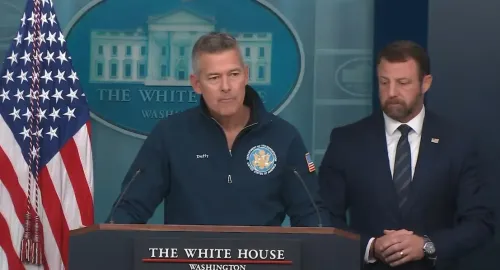
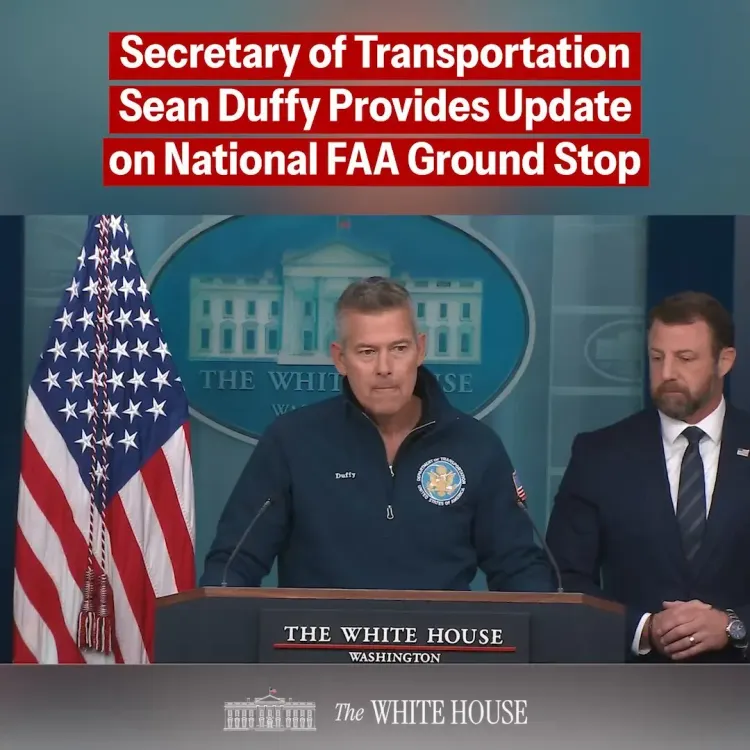
The White House shared a video update from Secretary Mullin and Secretary Duffy confirming the airspace reopening after the ground stop — a system-wide FAA measure that halts aircraft departures to manage a sudden disruption in air traffic control. The two officials were unambiguous about the cause: ageing, failure-prone infrastructure. 'With a brand new state of the art system, we wouldn't have these outages,' one of the secretaries stated in the clip, framing the disruption not as a one-off incident but as the predictable cost of running one of the world's busiest air traffic control networks on legacy technology.
A decades-old modernisation problem lands back in the headlines
The FAA — the U.S. agency responsible for all civil aviation safety and airspace management — has long operated on computer and communication systems that date back decades. The NextGen modernisation programme, launched in the mid-2000s, promised to replace ageing radar and communication infrastructure with satellite-based technology. It ran into repeated delays, cost overruns, and bureaucratic friction, leaving critical facilities still dependent on outdated hardware going into the late 2020s.
The result has been a recurring pattern: a system fault triggers a ground stop, flights stack up at airports across the country, passengers miss connections, and officials pledge fixes. The cycle has played out under administrations from both parties, making Friday's disruption a fresh entry in a long and frustrating logbook.
Airlines, passengers, and the pressure on Congress to fund upgrades
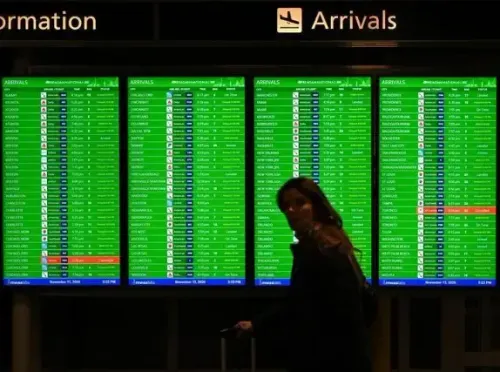
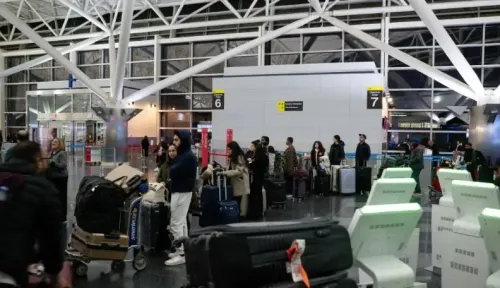
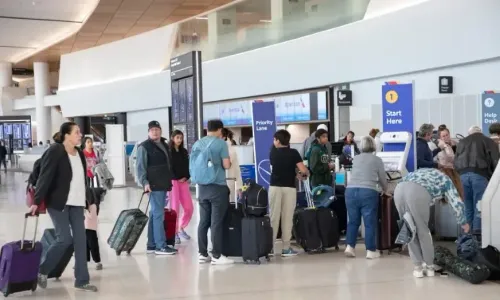
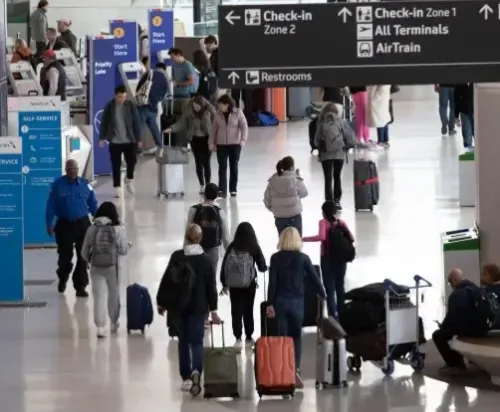
Every ground stop sends immediate shockwaves through the aviation ecosystem. Airlines absorb delays that cascade across their entire network — a ground stop in one region ripples into missed crew rotations and stranded aircraft thousands of miles away. Passengers bear the most visible cost: missed flights, disrupted travel plans, and hours of uncertainty at terminals. The economic toll of even a brief system-wide halt runs into the tens of millions of dollars industry-wide.
The public statements by Mullin and Duffy signal the administration intends to push the system-modernisation argument as a legislative priority. The key question now: whether FAA reauthorization legislation and dedicated funding requests will follow, and on what timeline replacement systems would actually come online at the most vulnerable facilities.
The 8:15 PM reopening — and what happens next
The immediate crisis resolved at 8:15 PM ET, with airspace reopened and the ground stop lifted. But the larger problem the secretaries named — a national air traffic control network running on infrastructure not built for the demands of modern aviation — remains very much open. The administration has now publicly staked its credibility on the case for modernisation. Delivery is the harder part.
Point of View
Consumer-felt disruption to build public pressure for infrastructure spending that has stalled in Congress for years. The modernisation argument is bipartisan in theory but chronically underfunded in practice, suggesting the administration sees the optics of a nationwide airspace halt as useful leverage. For India's aviation sector — itself managing rapid air traffic growth — the U.S. episode serves as a cautionary tale about the cost of deferring technology upgrades. Watch whether Congressional appropriators respond with actual dollars or more hearings.
NationPress
14 Nov 2026
Frequently Asked Questions
What is an FAA National Ground Stop?
An FAA National Ground Stop is a system-wide order that halts aircraft departures across the United States, typically issued when air traffic control systems experience a failure or other disruption that makes it unsafe to manage normal traffic flow.
Why did the FAA issue a ground stop on November 14, 2026?
While the exact technical cause was not detailed in the White House update, Secretaries Mullin and Duffy attributed the disruption to ageing infrastructure, stating that a modern system would prevent such outages.
When was the FAA ground stop lifted?
The FAA National Ground Stop was lifted at 8:15 PM Eastern Time on November 14, 2026 , according to the White House update.
What is the NextGen FAA modernisation programme?
NextGen is a long-running U.S. programme launched in the mid-2000s to replace legacy radar and communication-based air traffic control with satellite-based technology. It has faced repeated delays, budget overruns, and incomplete implementation.
How do FAA outages affect flights and passengers?
A national ground stop halts departures at airports across the U.S., causing cascading delays across airline networks, stranded passengers, missed connections, and economic losses estimated in the tens of millions of dollars per incident.