CM Dhami Pledges Tribal Mainstreaming, Girls' Education
Synopsis
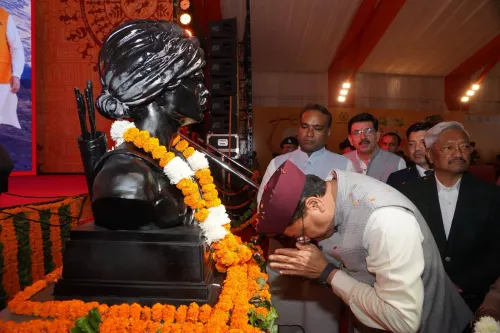
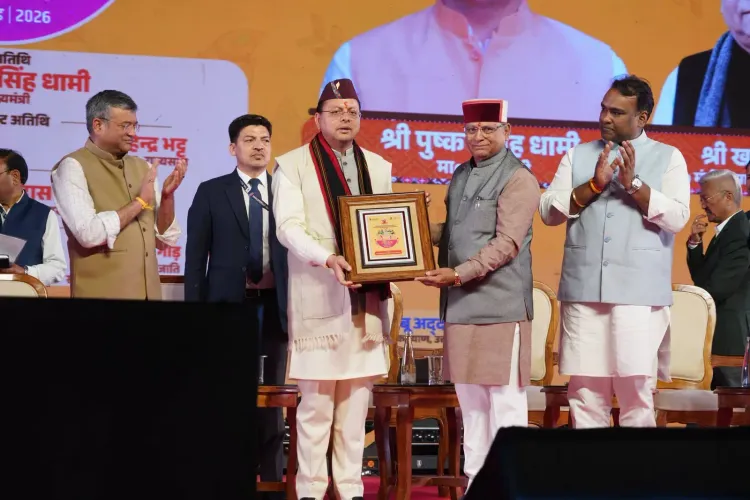
CM Pushkar Singh Dhami at a tribal outreach event pledged to connect every tribal family to development, make every youth self-reliant, and educate every tribal daughter — with Cabinet Minister Khajan Dass and Mayor Saurabh Thaplial present as witnesses.
Key Takeaways
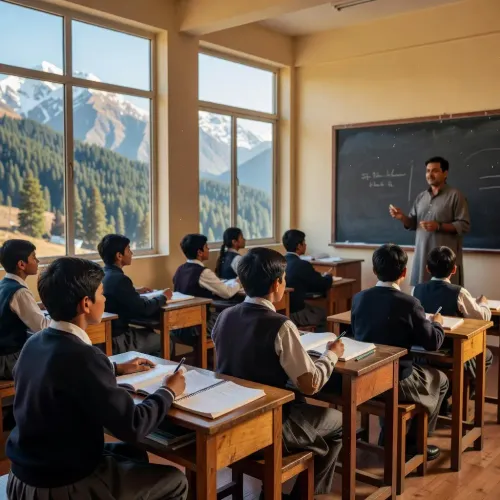
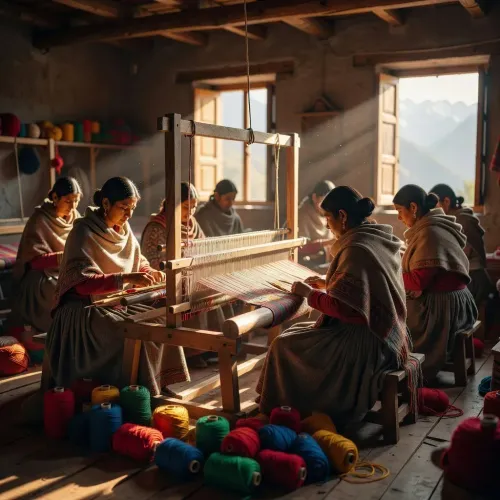
CM Pushkar Singh Dhami made a three-part pledge: tribal family mainstreaming, youth self-reliance, and girls' education and empowerment.
Cabinet Minister Khajan Dass and Mayor Saurabh Thaplial attended the tribal outreach event alongside community representatives.
Constitutional provisions under Articles 15(4), 46 and 335 have guided Scheduled Tribe affirmative action since 1950 , forming the policy backdrop.
Uttarakhand governments have periodically organised similar tribal outreach events, but the presence of senior BJP figures raises the accountability bar.
Follow-up scheme announcements, district-level rollouts, and budget allocations will determine whether the pledges translate into measurable change.
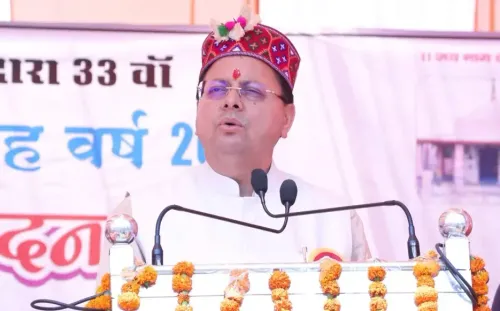
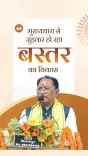
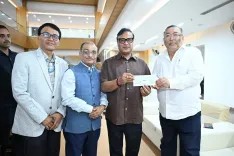
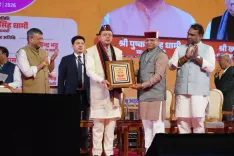
Every tribal family connected to development, every young person self-reliant, every daughter educated and empowered — Uttarakhand Chief Minister Pushkar Singh Dhami laid out that three-part commitment at a tribal outreach event on Monday, 16 November 2026, flanked by Cabinet Minister Khajan Dass and Mayor Saurabh Thaplial.
Posting on X, CM Dhami wrote: 'हमारा संकल्प है कि जनजातीय समाज का प्रत्येक परिवार विकास की मुख्यधारा से जुड़े, हर युवा आत्मनिर्भर बने और प्रत्येक बेटी शिक्षित एवं सशक्त बने।' ('Our resolve is that every family of the tribal community connects to the mainstream of development, every youth becomes self-reliant, and every daughter becomes educated and empowered.')
Three Pillars, One Community in Focus
The pledge zeroes in on Uttarakhand's Scheduled Tribe populations — communities that constitutional provisions under Articles 15(4), 46 and 335 have protected and prioritised since 1950. Dhami's framing distils those decades-old guarantees into three actionable promises: mainstream integration for families, economic self-reliance for youth, and education plus empowerment for girls. Each speaks to a gap the state has repeatedly acknowledged in outreach cycles.
Girls' education and youth livelihood are not new talking points — Uttarakhand governments have returned to them across administrations — but the public articulation alongside senior BJP figures signals that the current dispensation wants the commitment on the record ahead of potential scheme announcements.
Khajan Dass, Saurabh Thaplial, and the Weight of Local Buy-In
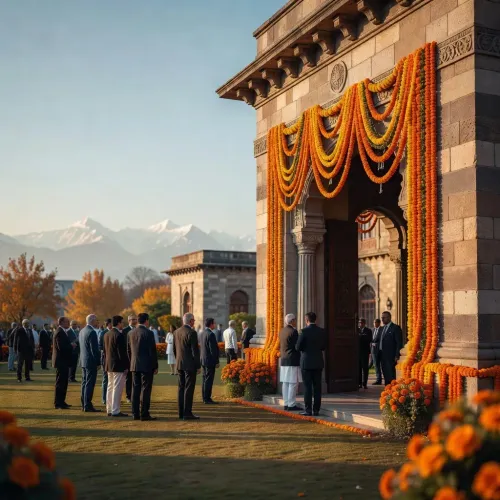
The presence of Cabinet Minister Khajan Dass and Mayor Saurabh Thaplial alongside tribal community representatives and other dignitaries was deliberate. Welfare commitments mean little without implementation machinery, and having both a state cabinet voice and a local civic authority in the same room signals an attempt to close the gap between promise and delivery at the district level. Community representatives attending such events also serve as a feedback loop — their presence lends legitimacy, and their follow-up questions shape what the government must actually deliver.
What Needs to Follow the Words
The real test, as always, lies in what comes next: whether specific education schemes, livelihood programmes, or tribal-district-level initiatives are announced and funded in the months ahead. Uttarakhand's tribal belt — spread across districts with significant Scheduled Tribe concentrations — will watch for follow-up community meetings, budget allocations, and on-ground rollouts that give this resolve its teeth.
A pledge made publicly by a sitting Chief Minister, with his cabinet and civic leadership as witnesses, sets a measurable bar. The tribal families, youth, and daughters named in that promise will be the measure.
Point of View
Youth, girls) gives it a slightly sharper accountability frame than generic inclusion rhetoric. The dual presence of a cabinet minister and a mayor signals an attempt to bridge state policy and local delivery, a structural gap that has historically undermined tribal welfare commitments in hill states. If concrete schemes and allocations follow, it strengthens Dhami's governance credibility ahead of any electoral cycle; if they do not, the public record of this pledge becomes a liability. The broader national emphasis on tribal welfare — particularly around girls' education — means Uttarakhand's performance will be benchmarked against central government expectations as much as local ones.
NationPress
16 Nov 2026
Frequently Asked Questions
What did CM Pushkar Singh Dhami promise for tribal communities in Uttarakhand?
CM Dhami pledged that every tribal family would be connected to mainstream development, every tribal youth would become self-reliant, and every tribal daughter would be educated and empowered.
Who attended the tribal outreach event with CM Dhami on 16 November 2026?
Cabinet Minister Khajan Dass, Mayor Saurabh Thaplial, tribal community representatives, and other dignitaries attended the event alongside CM Dhami.
What constitutional provisions protect Scheduled Tribe welfare in India?
Articles 15(4), 46 and 335 of the Indian Constitution have provided the framework for affirmative action and welfare measures for Scheduled Tribes since 1950.
What schemes is Uttarakhand government planning for tribal youth and girls?
No specific schemes were announced at this event; CM Dhami outlined a broad commitment, and follow-up education and livelihood initiatives for tribal districts are what observers will watch for next.
Who is Khajan Dass in the Uttarakhand government?
Khajan Dass is a Cabinet Minister in the Uttarakhand government from the BJP, involved in outreach and welfare events across the state.