HP CM's Office Returns Rs 30 Cr Medical Device Park Grant
Synopsis
Himachal Pradesh's Chief Minister's Office announced on 16 November 2026 that the state returned ₹30 crore allocated under the central Medical Device Park scheme, citing a preference to protect state assets and develop the hospitality sector aligned with local culture and traditions.
Key Takeaways
Himachal Pradesh returned ₹30 crore in central grant money allocated for a Medical Device Park to the Government of India.
The CMO explicitly stated the refusal was to avoid 'plundering the state's wealth' under the scheme's banner.
The state has reoriented its industrial focus toward the hospitality sector , citing Himachal's culture and traditions.
The Medical Device Park scheme was approved by the Union Cabinet in 2020 to boost domestic medical manufacturing across selected states.
The decision reflects a broader pattern of Himalayan states prioritising tourism and ecology over central manufacturing incentives.
Himachal Pradesh has handed back ₹30 crore in central funding — a rare and deliberate act of fiscal refusal that signals exactly where the state government's industrial priorities now lie. The Chief Minister's Office of Himachal Pradesh announced on Monday, 16 November 2026, that the grant allocated under the Medical Device Park scheme has been returned to the Government of India, with the state pivoting firmly toward its hospitality sector instead.
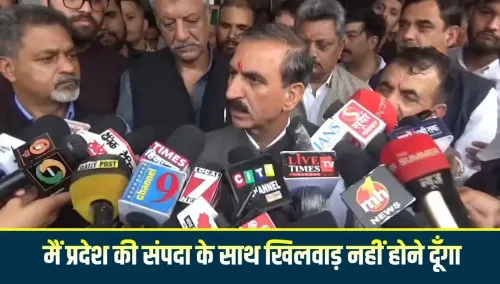
The post states plainly: 'हमने मेडिकल डिवाइस पार्क के लिए आवंटित 30 करोड़ रुपये भारत सरकार को वापस कर दिए हैं' — 'We have returned the ₹30 crore allocated for the Medical Device Park to the Government of India, because we do not wish to plunder the state's wealth in the name of a Medical Device Park. Our focus is on the development of the hospitality sector, keeping in view the culture and traditions of Himachal Pradesh.'What the Medical Device Park scheme actually offered
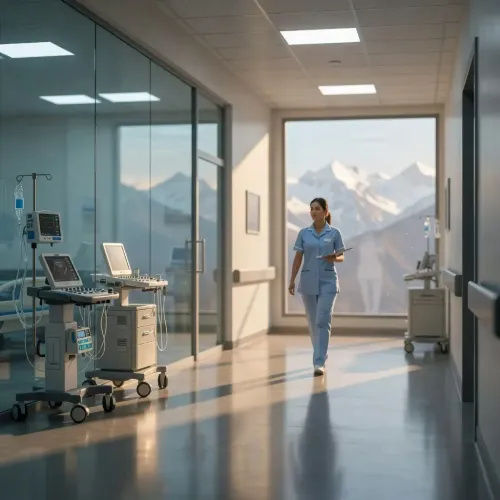
The Union Cabinet in 2020 approved a central scheme to establish dedicated Medical Device Parks across selected states, offering financial assistance to build common infrastructure and boost domestic manufacturing of medical equipment. The push was part of a broader national drive to reduce import dependence in the healthcare sector. For a recipient state, the grant represented significant capital for industrial land development — typically involving roads, power, water, and testing facilities within a demarcated zone.
Himachal Pradesh was among the states allocated funds under this framework. Returning the money outright — rather than seeking an extension or reallocation within the scheme — is an unusually assertive signal from a state government.
Why Himachal chose hills over factories
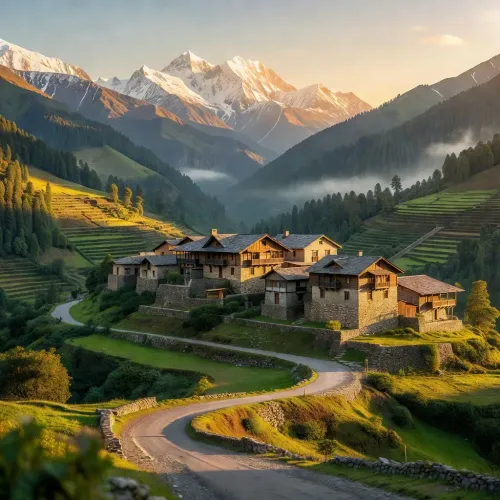
The logic is straightforward once you map the state's geography and economy. Himachal Pradesh is a Himalayan state whose revenue backbone rests on tourism, horticulture, and hydropower — not heavy manufacturing. Industrial parks demand land, water, road freight corridors, and a labour pipeline that the terrain makes difficult and expensive to sustain. The CMO's statement frames the refusal explicitly around protecting 'प्रदेश की संपदा' — 'the wealth of the state' — a phrase that encompasses both natural assets and cultural identity.
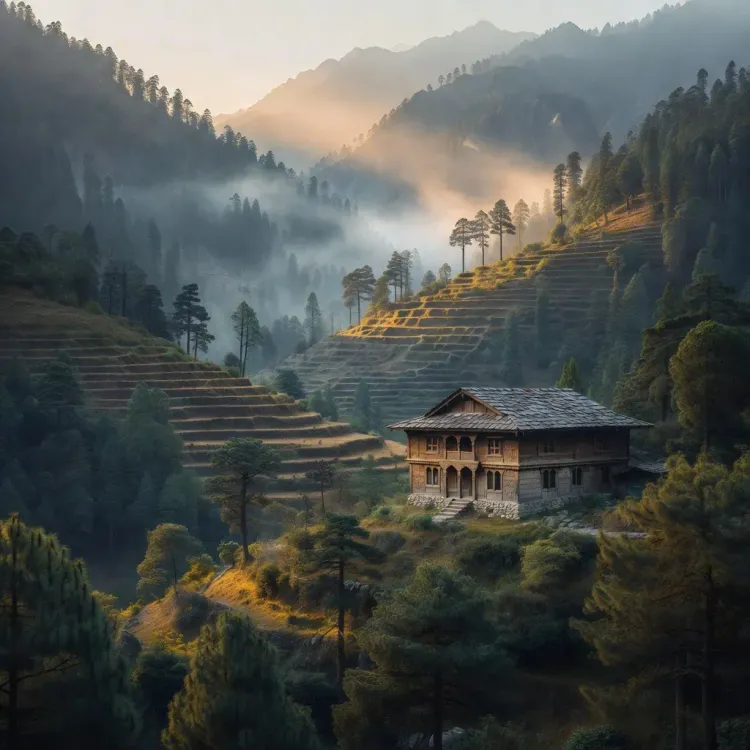
The hospitality sector, by contrast, multiplies Himachal's existing advantages: its landscapes, its traditions, its proximity to the Delhi-NCR travel market. A well-designed hospitality push — homestay networks, heritage tourism, adventure corridors — generates local employment without the environmental footprint that a manufacturing park would impose in fragile Himalayan terrain.
A pattern across mountain states
Himachal is not the first Himalayan state to weigh central industrial incentives against ecological and tourism priorities, and decline. The tension between Delhi's manufacturing-push schemes and hill-state realities has surfaced repeatedly in budget negotiations. What is notable here is the explicitness: the government is not citing administrative delays or land-acquisition hurdles. It is making a values-based argument — that this particular form of industrial development is incompatible with what Himachal Pradesh wants to be.
What to watch now: whether the state announces a formal Hospitality and Tourism Policy to fill the strategic space it has just created, and how the central Department of Pharmaceuticals responds to the returned funds — which could be reallocated to another state.
Thirty crore rupees handed back is a small number on the Union Budget's scale. As a statement of direction, it is considerably larger.
Point of View
On record. It repositions the ruling dispensation as guardians of the hill economy rather than passive recipients of Delhi's manufacturing agenda. The move carries political weight domestically, appealing to residents wary of industrial encroachment on Himalayan land, while simultaneously creating an expectation: the hospitality pivot must now deliver tangible policy and investment to justify forgoing ₹30 crore. If a formal tourism or hospitality framework follows, this post becomes the opening move of a coherent strategy; without it, the optics risk appearing more symbolic than substantive.
NationPress
16 Nov 2026
Frequently Asked Questions
Why did Himachal Pradesh return the Medical Device Park funds?
The Chief Minister's Office stated the state returned ₹30 crore to the central government because it did not want to 'plunder the state's wealth' under the Medical Device Park scheme, preferring instead to develop the hospitality sector in keeping with Himachal's culture and traditions.
What is the Medical Device Park scheme in India?
The Medical Device Park scheme was approved by the Union Cabinet in 2020 to establish dedicated manufacturing parks for medical devices in selected states, with central financial assistance to build shared infrastructure and reduce import dependence.
How much money did Himachal Pradesh return to the central government?
According to the official post from the Chief Minister's Office of Himachal Pradesh, the state returned ₹30 crore that had been allocated for the Medical Device Park.
What sector is Himachal Pradesh focusing on instead of a Medical Device Park?
The CMO announced a focus on the hospitality sector, emphasising development that aligns with Himachal Pradesh's culture, traditions, and its strengths as a Himalayan tourism destination.
Is it common for states to return central scheme funds in India?
States occasionally return unspent central grants due to administrative delays or changed priorities, but publicly framing a return as a deliberate policy choice — as Himachal Pradesh has done — is relatively uncommon and carries a strong political signal.