CM Fadnavis, Amit Shah Launch Maratha Archives Digitisation
Synopsis
Union Home Minister Amit Shah and Maharashtra CM Devendra Fadnavis launched Phase 1 of the Bharat Itihas Sanshodhak Mandal digitisation project in Pune on 16 November 2026, placing 10,000 rare Maratha-era documents on bismarchives.in and opening a 116-year-old archive to global researchers.
Key Takeaways
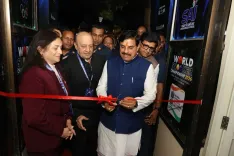
Union Home Minister Amit Shah and CM Devendra Fadnavis inaugurated the BISM digitisation project's Phase 1 in Pune on 16 November 2026 .
The Bharat Itihas Sanshodhak Mandal , over 116 years old, holds approximately 3 lakh historical documents including bakhars, Mughal farmans, manuscripts, and rare texts.
Phase 1 makes around 10,000 documents available on bismarchives.in ; a total of 6.5 lakh page images will be released in stages.
The project was initiated in 2021 in the presence of the late Babasaheb Purandare , Padma Vibhushan and Maharashtra Bhushan awardee.
Technical work was completed by Nyansa Company (Chinmay Bhandari and Mithilesh Kulkarni) with Mindscape Hub , Murkumbi Itihas Upkram , and Bhandarkar Oriental Research Institute as partners.
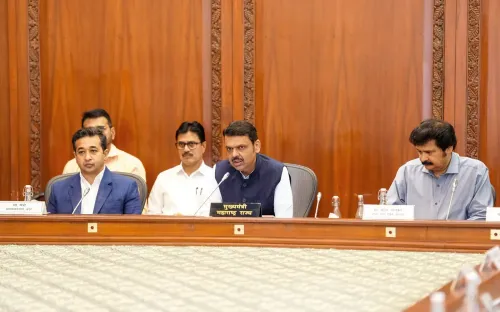
Deputy CMs Eknath Shinde and Sunetra Ajit Pawar , and Union MoS Murlidhar Mohol , were present at the ceremony.
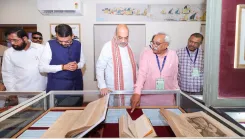
Three lakh documents. Six-and-a-half lakh page images. One century-old institution in Pune now stepping into the digital age — and taking Maratha history to every corner of the world. The Chief Minister's Office of Maharashtra announced on Monday, 16 November 2026, that Union Home Minister Amit Shah and Chief Minister Devendra Fadnavis jointly launched the first phase of a landmark digitisation project at the Bharat Itihas Sanshodhak Mandal (BISM) in Pune, making thousands of rare historical documents publicly accessible online for the first time.
116 Years of History, Now a Click Away
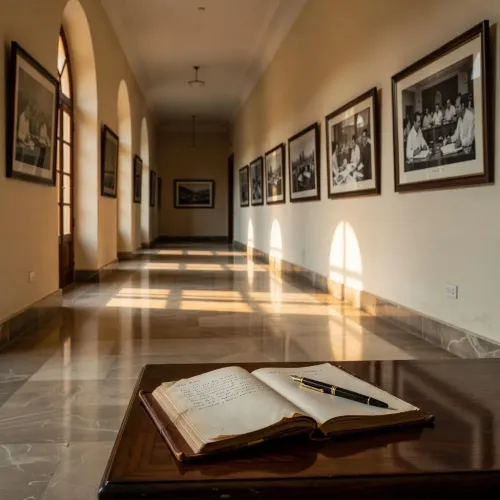
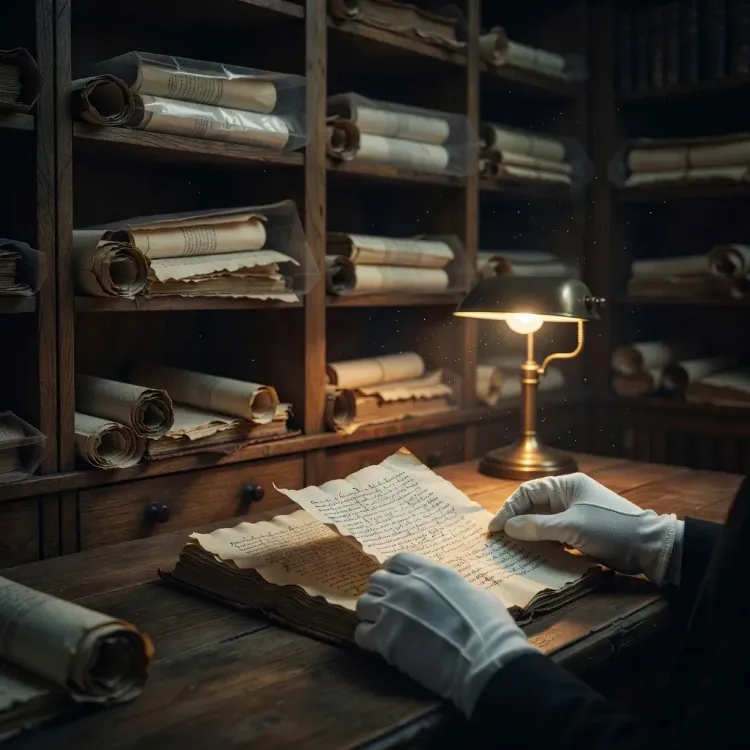
The Bharat Itihas Sanshodhak Mandal has been quietly doing the work of historical preservation for 116 years — amassing bakhars (chronicles), Mughal farmans, manuscripts, copper-plate inscriptions, paintings, maps, sculptures, weapons, land records, and rare texts that document the sweep of Maratha power and culture. The sheer volume is staggering: approximately 3 lakh historical documents, with an estimated 6.5 lakh page images to be released in stages.
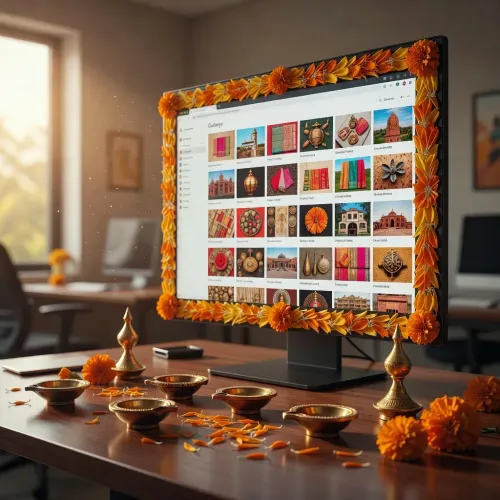
Phase one alone places around 10,000 historical documents on the publicly accessible portal bismarchives.in, complete with photographs. Researchers, scholars, and history enthusiasts anywhere in the world can now browse material that was previously accessible only to those who could physically visit Pune.
A Project Five Years in the Making
The digitisation initiative did not begin today. It was formally started in 2021 in the presence of the late Padma Vibhushan and Maharashtra Bhushan awardee Shivshahir Babasaheb Purandare, the celebrated scholar-storyteller of Maratha history whose decades of work made Chhatrapati Shivaji's era vivid for millions of Maharashtrians. Monday's ceremony was the fulfilment of that promise — the public inauguration (lokarpan sohala) of what Purandare helped set in motion.
The technical work was executed by Chinmay Bhandari and Mithilesh Kulkarni of Nyansa Company, in collaboration with Mindscape Hub. The project also received support from the Murkumbi Itihas Upkram and the Bhandarkar Oriental Research Institute, two institutions with deep roots in India's Sanskrit and Indological scholarship tradition.
The Weight of the Room in Pune
The gathering at the launch underscored the political and cultural weight the Maharashtra government has attached to the initiative. Deputy Chief Ministers Eknath Shinde and Sunetra Ajit Pawar, along with Union Minister of State Murlidhar Mohol, were present alongside other dignitaries. The presence of Amit Shah — whose ministry oversees national archives policy — signalled that this effort carries resonance well beyond state boundaries.
Maharashtra has long argued that the most consequential records of Maratha-era governance and culture sit in private and institutional collections — not in official government archives. Getting those documents digitised and globally accessible addresses a real gap in India's historical scholarship infrastructure.
What Opens Up for Scholarship
The collection's breadth is what makes bismarchives.in potentially significant for historians. Mughal farmans sitting alongside Maratha bakhars in the same searchable archive creates an unprecedented resource for studying the contested, overlapping political worlds of early-modern India. Copper plates, maps, and weapons — typically siloed in museum drawers — will carry photographic documentation visible to any researcher with an internet connection.
The remaining phases, releasing the balance of the 6.5 lakh images, will determine how deep and research-ready the portal ultimately becomes. Universities and academic institutions studying Maratha, Deccan, and Mughal history now have a new primary-source resource to build syllabi and research projects around — one that was, until Monday, locked behind geography.
Point of View
Signalling central government endorsement of digitising non-official institutional archives, a space where policy has historically lagged. For historians, the more consequential test will be Phase 2 and beyond: whether the remaining 6.5 lakh images arrive in a searchable, metadata-rich format that genuinely serves scholarship, or remain a symbolic gesture. The five-year gap between the 2021 launch under Babasaheb Purandare and this Phase 1 delivery will not go unnoticed by critics watching for follow-through.
NationPress
16 Nov 2026
Frequently Asked Questions
What is bismarchives.in?
bismarchives.in is the official digital archive portal of the Bharat Itihas Sanshodhak Mandal, Pune, where rare Maratha-era historical documents, manuscripts, maps, and artefact photographs are being made publicly accessible. Phase 1 launched on 16 November 2026 with around 10,000 documents.
What documents are available in the BISM digitisation project?
The collection includes bakhars (Maratha chronicles), Mughal farmans, handwritten manuscripts, copper-plate inscriptions, paintings, maps, sculptures, weapons, inscriptions, land records, and rare books. The total collection is around 3 lakh documents with 6.5 lakh page images to be released in phases.
Who launched the Bharat Itihas Sanshodhak Mandal digitisation project?
Union Home Minister Amit Shah launched the project alongside Maharashtra Chief Minister Devendra Fadnavis at a ceremony in Pune on 16 November 2026. The project itself was initiated in 2021 in the presence of the late Babasaheb Purandare.
Who was Babasaheb Purandare and what was his role in the BISM project?
Babasaheb Purandare was a celebrated Maratha historian and storyteller awarded the Padma Vibhushan and Maharashtra Bhushan for his lifelong work on the history of Chhatrapati Shivaji Maharaj. The digitisation project was formally started in 2021 in his presence at the Bharat Itihas Sanshodhak Mandal.
How old is the Bharat Itihas Sanshodhak Mandal?
The Bharat Itihas Sanshodhak Mandal, based in Pune, has been conducting historical research for over 116 years, making it one of India's oldest private institutions dedicated to preserving Maratha-era and broader Indian historical records.