US flights return to normal Monday after FAA ground stop, Duffy says
Synopsis
A data surge through ageing FAA routers grounded the US air traffic control system on Friday, stranding roughly 3,500 flights. With 69 router broadcasting functions disabled and equipment at an L3Harris lab under FBI-assisted scrutiny, Transportation Secretary Sean Duffy is promising normalcy by Monday — while deflecting blame onto decades of bipartisan underinvestment and a $50 billion funding gap Congress has yet to fill.
Key Takeaways
US Transportation Secretary Sean Duffy said flights should return to normal by Monday, 16 November 2026 after a nationwide ground stop on Friday .
The FAA traced the outage to excessive data from sites in El Dorado, Arkansas and Amarillo, Texas ; L3Harris was installing a new router at the Arkansas location.
Broadcasting functions on 69 routers were disabled; approximately 3,500 aircraft landed safely and air traffic resumed at 8:15 pm Eastern on Friday.
The FAA confirmed no cyberattack ; the FBI is supporting the investigation into the root cause.
House Democrats say the administration has spent only $1 billion of $12.5 billion in approved FAA funding, challenging Duffy's $50 billion overhaul request.
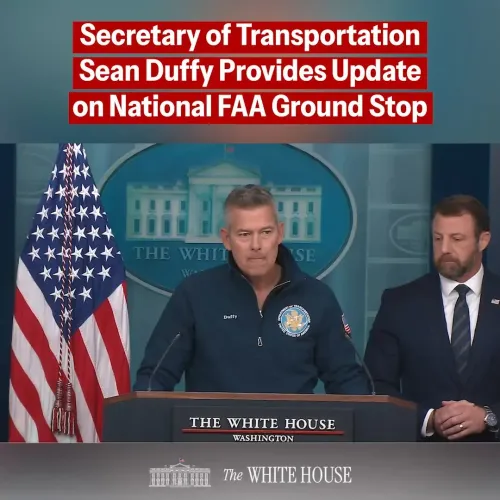
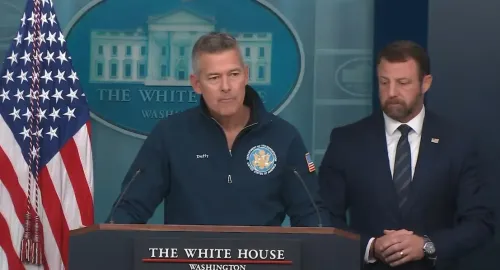
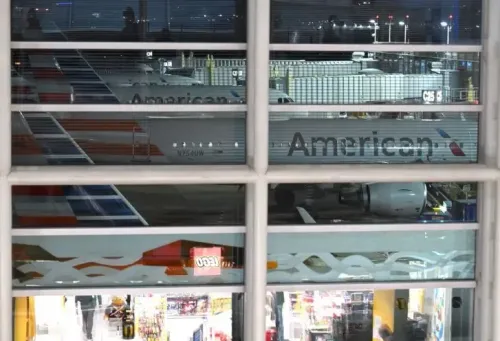
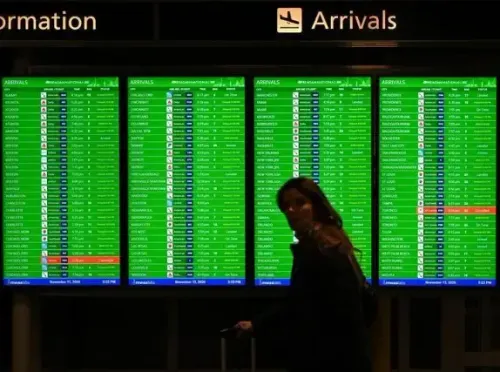
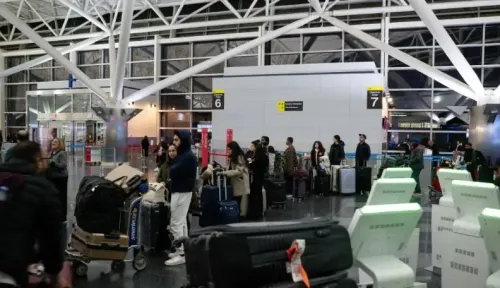
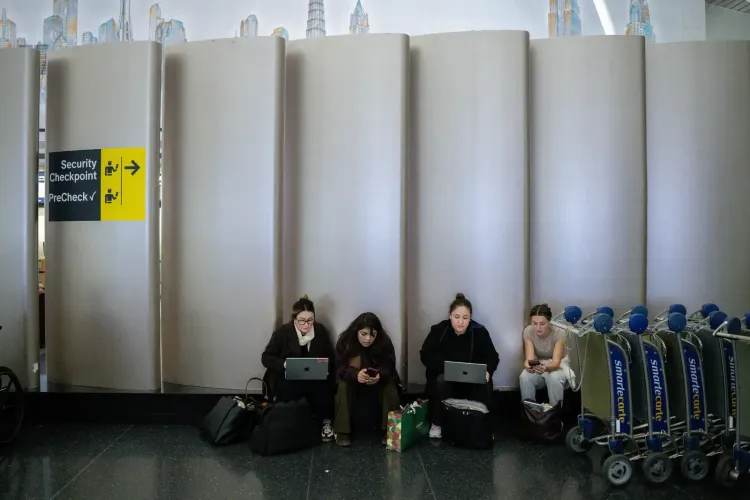
US Transportation Secretary Sean Duffy said on Sunday, 15 November 2026 that domestic air travel was expected to return to normal by Monday, as airlines worked to reposition aircraft and crews following a nationwide ground stop on Friday that triggered widespread disruption across American airports. The outage, traced to a surge of excessive data through the air traffic control network, grounded or delayed thousands of flights.
What Caused the Disruption
The Federal Aviation Administration (FAA) identified two potential sources of the data flood: a radio communications site in El Dorado, Arkansas, and a radar site in Amarillo, Texas. Network service provider L3Harris had been installing a new router at the Arkansas location at the time of the outage. The FAA said the network stabilised once both locations were isolated, but investigators had not yet established the root cause — including whether the installation work itself or faulty equipment was responsible.
Notably, the FAA confirmed it found no indication of a cyberattack. Some radio frequencies and radar feeds remained available throughout the disruption, allowing air traffic controllers to maintain contact with aircraft already in the sky.
Recovery Efforts and Scale of Impact
Officials disabled the broadcasting function on 69 routers to prevent another surge of data overwhelming the control network. Equipment from the affected sites is being examined at an L3Harris laboratory in Florida, with FAA personnel present. According to the FAA, approximately 3,500 aircraft that were already airborne at the time landed safely, and air traffic resumed at 8:15 pm Eastern on Friday. Airlines continued working through the resulting backlog over the weekend.
Speaking on NBC's 'Meet the Press', Duffy acknowledged that recovery would take time because aircraft and crews had been left out of position. On CBS's 'Face the Nation', he conceded that maintenance timing at remote facilities — previously considered low risk — would now be reassessed.
Duffy Deflects Blame, Cites Years of Underinvestment
Duffy declined to apologise for the state of the air traffic control system, attributing its condition to underinvestment by both Republican and Democratic administrations over many years. 'But I can't apologize for what was passed off to us,' he said. The Secretary confirmed a $50 billion funding request for a new telecommunications architecture, arguing that the $12.5 billion Congress had already approved was earmarked for specific equipment and infrastructure rather than the broader overhaul he is seeking.
Democrats Push Back on Funding Claims
House Democrats challenged the administration's account of its spending record. Representatives Rick Larsen and Andre Carson — the senior Democrats on the House transportation committee and its aviation subcommittee respectively — said on Saturday that the administration had obligated only $4.3 billion of the approved $12.5 billion and spent just $1 billion. They said transportation and FAA officials would brief committee staff on Monday regarding the administration's earlier request for an additional $30 billion, and that the committee would scrutinise the administration's handling of air traffic control upgrades.
What Happens Next
Investigators, with support from the FBI, are continuing to examine the equipment linked to the outage. The FAA and Department of Transportation face mounting congressional pressure to explain both the cause of Friday's disruption and the pace of their infrastructure modernisation programme. The episode has reignited a long-running debate about the ageing state of America's air traffic control systems and the adequacy of federal investment in upgrading them.
Point of View
A gap Democrats are right to press. If the administration cannot demonstrate disciplined execution of existing appropriations, its $50 billion ask faces a credibility problem before it reaches the Senate floor.
NationPress
15 Nov 2026
Frequently Asked Questions
Why did the FAA ground stop happen on Friday?
The FAA ground stop was triggered by a surge of excessive data flooding the air traffic control network, traced to a radio communications site in El Dorado, Arkansas and a radar site in Amarillo, Texas. Network provider L3Harris had been installing a new router at the Arkansas location at the time, though investigators have not yet confirmed whether the installation work or faulty equipment was the root cause.
Has the FAA confirmed a cyberattack?
No. The FAA explicitly stated it found no indication of a cyberattack. Some radio frequencies and radar feeds remained operational throughout the disruption, allowing controllers to maintain contact with airborne aircraft.
How many flights were affected by the FAA outage?
Approximately 3,500 aircraft that were already airborne at the time of the outage landed safely. Air traffic officially resumed at 8:15 pm Eastern on Friday, though airlines continued managing crew and aircraft repositioning through the weekend.
What is Sean Duffy saying about the funding for air traffic control?
Duffy confirmed a $50 billion request for a new telecommunications architecture, arguing that the $12.5 billion already approved by Congress covers specific legacy equipment rather than the full overhaul needed. House Democrats counter that the administration has obligated only $4.3 billion and spent just $1 billion of the approved funds.
When will the FAA investigation be completed?
No timeline has been given for completing the investigation. The FAA and FBI are examining equipment at an L3Harris laboratory in Florida, and congressional briefings are scheduled for Monday. The root cause — whether the router installation or faulty hardware — has not yet been established.