Shekhawat joins 'Maru Ninad-2026' closing ceremony in Jodhpur
Synopsis
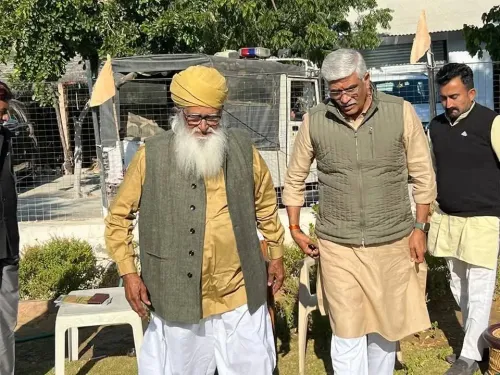
Union Culture and Tourism Minister Gajendra Singh Shekhawat attended the closing ceremony of 'Maru Ninad-2026,' an RSS Jodhpur Prant ghosh shivir in Jodhpur, where RSS Sarsanghchalak Dr. Mohan Bhagwat delivered the keynote address. Shekhawat described the event as a symbol of Indian culture, discipline and organisational strength.
Key Takeaways
Maru Ninad-2026 was a large-scale ghosh shivir (percussion and drill camp) organised by RSS Jodhpur Prant in Jodhpur, Rajasthan .
Union Culture and Tourism Minister Gajendra Singh Shekhawat attended the grand closing ceremony on Sunday, 15 November 2026 .
RSS Sarsanghchalak Dr.
Mohan Bhagwat delivered the keynote address, which Shekhawat described as 'inspirational guidance' and a matter of 'immense joy and pride.' Kshetra Sanghchalak Rameshchandra Aggarwal and Prant Sanghchalak Hardayal Verma were also present on the dais.
Shekhawat called the event an 'unparalleled symbol of Indian culture, discipline, collective spirit and organisational strength.'
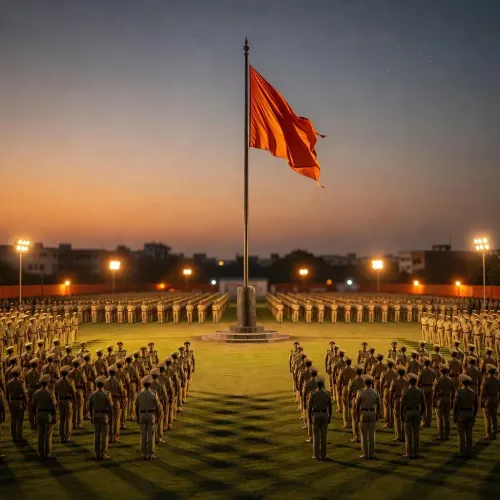
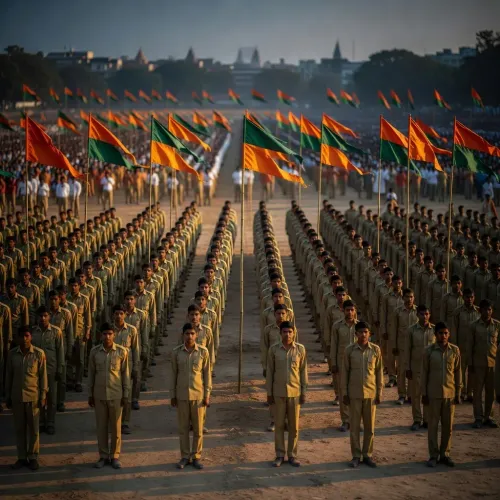
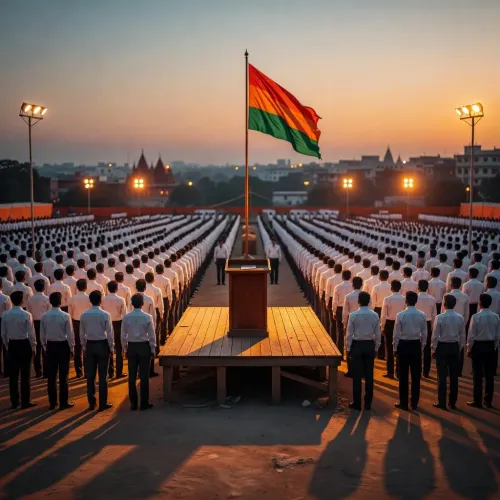
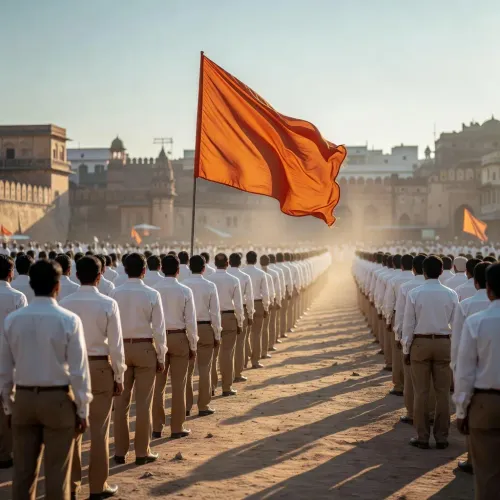
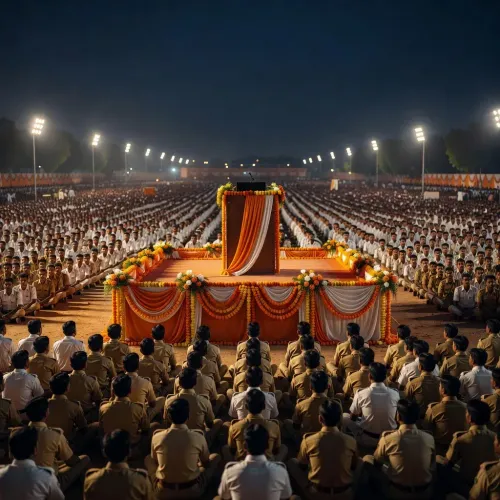
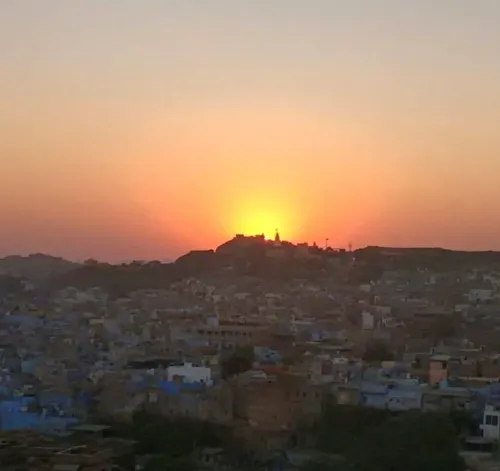
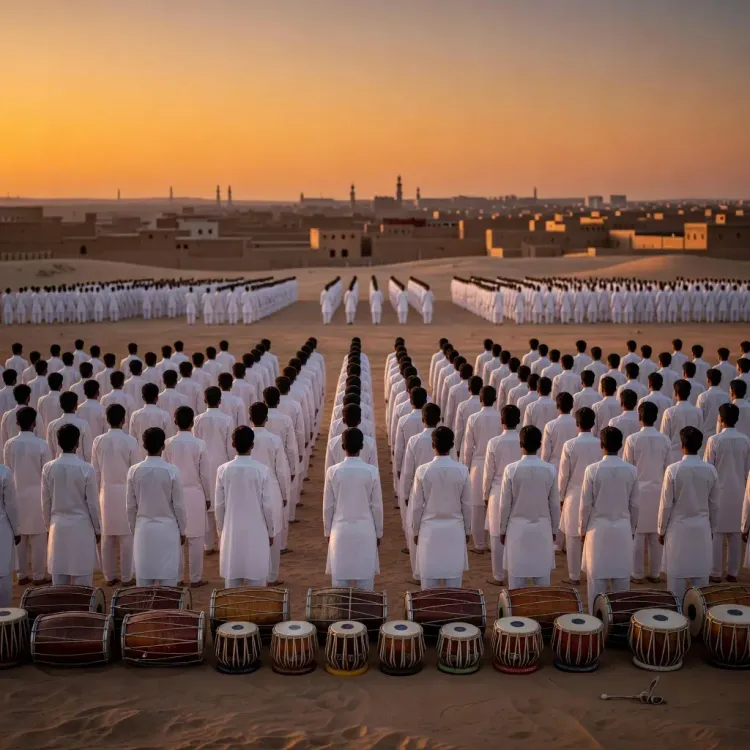
At the heart of Rajasthan's sun-scorched Jodhpur, a city the region proudly calls Suryanagari (the City of the Sun), thousands of Rashtriya Swayamsevak Sangh volunteers gathered Sunday for the grand finale of what Union Culture and Tourism Minister Gajendra Singh Shekhawat called a 'historic' ghosh shivir — a disciplined camp centred on percussion, drill and collective organisation. The event: 'Maru Ninad-2026', organised by the RSS Jodhpur Prant, and by all accounts a spectacle of cultural pageantry in the minister's own backyard constituency.
Bhagwat's address: the moment Shekhawat called 'immense joy and pride'
For Shekhawat, the defining highlight was not the drill formations or the percussion crescendo — it was the guidance of RSS Sarsanghchalak Dr. Mohan Bhagwat, who addressed participants at the closing ceremony. The minister wrote that receiving Bhagwat's 'preranadayi pathey' — inspirational guidance — was a matter of 'immense joy and pride,' adding that 'even Bhagwat's proximity alone breathes new inspiration into Indian knowledge tradition, spirituality, cultural consciousness and the spirit of national service.'
Dr. Bhagwat has led the RSS since 2009 and is the organisation's foremost ideological voice, regularly addressing large gatherings on themes of cultural nationalism, collective discipline and seva. His presence at a regional shivir of this scale underlines the significance the RSS attaches to its Rajasthan province network.
Who was on the dais in Suryanagari
Beyond Bhagwat, the closing ceremony drew Kshetra Sanghchalak Rameshchandra Aggarwal and Prant Sanghchalak Hardayal Verma to the stage — the two senior organisational figures who oversee RSS operations across the Jodhpur region and the broader Rajasthan province. Their presence, alongside a Union Cabinet minister, signals how firmly Maru Ninad-2026 sat within mainstream organisational priority.
What 'Maru Ninad' represents in RSS tradition
A ghosh shivir is a formal RSS camp built around the discipline of ghosh — the rhythmic percussion bands that have been a hallmark of RSS shakhas since the organisation's founding in 1925. These camps test and showcase collective synchrony, physical discipline and organisational cohesion — values the RSS has always placed at the core of its character-building mission.
Shekhawat captured this in one line, writing that 'Maru Ninad' will 'remain forever etched in memory as an unparalleled symbol of Indian culture, discipline, collective spirit and organisational strength.' For a minister who holds the Culture portfolio at the Centre, the alignment between his ministerial mandate and the camp's stated themes — heritage, tradition, national consciousness — is direct and deliberate.
Senior BJP leaders attending and publicly celebrating RSS shivirs is a well-established pattern, but a Union Cabinet minister doing so in his own constituency, with the Sarsanghchalak present, carries a weight that stretches beyond routine participation. Maru Ninad-2026 was, in the minister's own words, historic — and Jodhpur gave it its stage.
Point of View
Publicly celebrated attendance at a major RSS shivir in his own constituency — where the Sarsanghchalak himself was present — is consistent with the BJP's deliberate maintenance of its ideological relationship with the RSS, particularly through senior ministers. For a minister holding the Culture portfolio, framing an RSS camp in the vocabulary of 'Indian knowledge tradition, spirituality and cultural consciousness' also creates a natural rhetorical bridge between party-organisation ties and his ministerial mandate. The event in Jodhpur reinforces how regional RSS structures continue to serve as a mobilisation and legitimacy platform for elected BJP leaders, especially ahead of any state-level political cycle in Rajasthan.
NationPress
15 Nov 2026
Frequently Asked Questions
What is Maru Ninad-2026?
'Maru Ninad-2026' is a large-scale RSS ghosh shivir — a camp centred on percussion, discipline and collective drill — organised by the RSS Jodhpur Prant in Jodhpur, Rajasthan.
Who attended the Maru Ninad-2026 closing ceremony?
Union Culture and Tourism Minister Gajendra Singh Shekhawat attended the closing ceremony, along with RSS Sarsanghchalak Dr. Mohan Bhagwat, Kshetra Sanghchalak Rameshchandra Aggarwal, and Prant Sanghchalak Hardayal Verma.
What is a ghosh shivir in RSS?
A ghosh shivir is a formal RSS training camp built around the discipline of ghosh — the rhythmic percussion bands integral to RSS shakhas — testing collective synchrony, physical discipline and organisational cohesion.
What did Mohan Bhagwat say at Maru Ninad-2026?
The specific content of Dr. Mohan Bhagwat's address has not been detailed publicly; Minister Shekhawat described it as 'inspirational guidance' that renews commitment to Indian knowledge tradition, spirituality, cultural consciousness and national service.
Where is Jodhpur and why is it called Suryanagari?
Jodhpur is a major city in Rajasthan, western India, popularly called Suryanagari — the City of the Sun — owing to its sunny climate and historical character. It is also the Lok Sabha constituency of Minister Gajendra Singh Shekhawat.