CM Rekha Gupta Backs RSS Centenary Message from Nagpur
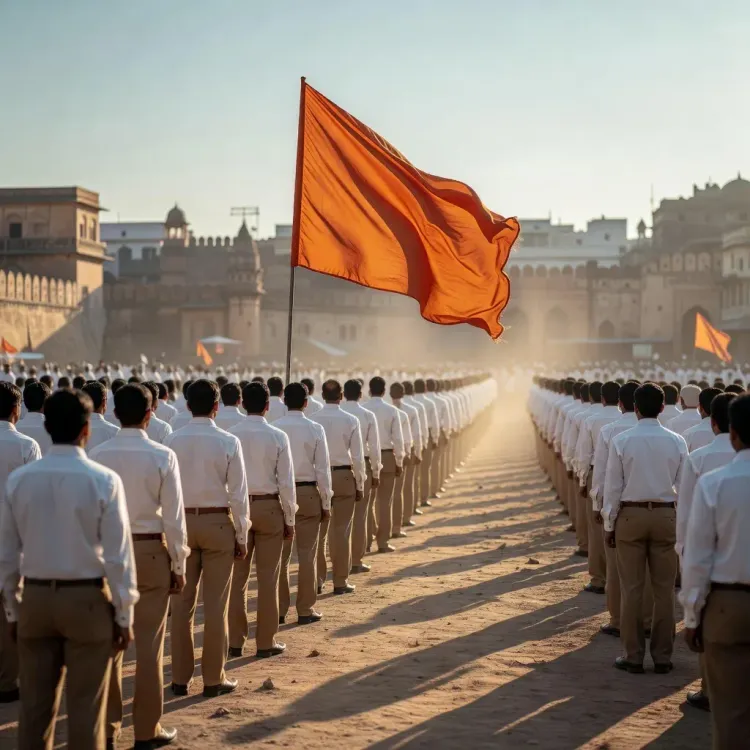
Synopsis
Delhi Chief Minister Rekha Gupta amplified RSS Sarsanghchalak Dr. Mohan Bhagwat's centenary address from Nagpur on 20 October 2026, urging Indian youth to absorb its call for cultural rootedness, social unity, and vigilance against divisive forces.
Key Takeaways
Delhi CM Rekha Gupta shared Dr.
Mohan Bhagwat's RSS centenary address on 20 October 2026 , directing youth to watch the full speech.
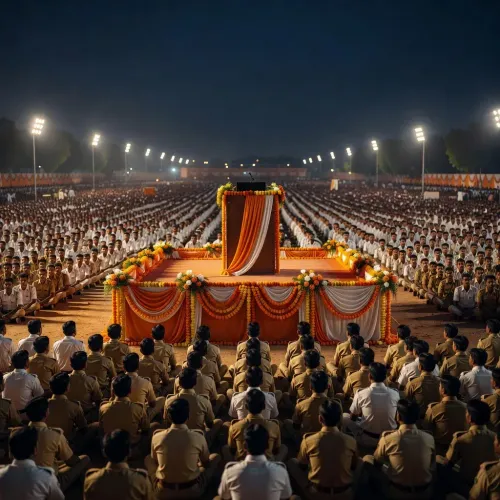
Bhagwat's address, delivered in Nagpur , emphasised staying rooted in heritage, guarding against social division, and building a stronger India.
The RSS was founded on 27 September 1925 in Nagpur by Dr.
Hedgewar , making 2025–26 its centenary year.
Gupta described India's 'real strength' as rooted in culture, values, and societal unity — framing the centenary moment as a generational message.
BJP leaders regularly amplify RSS messaging on cultural cohesion, consistent with the party's ideological origins in the RSS ecosystem.
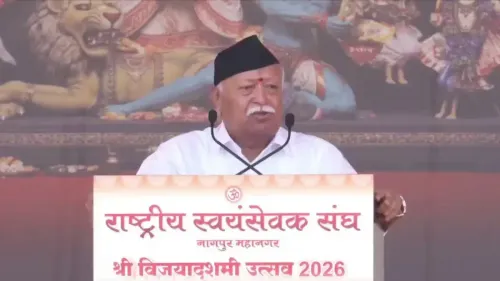
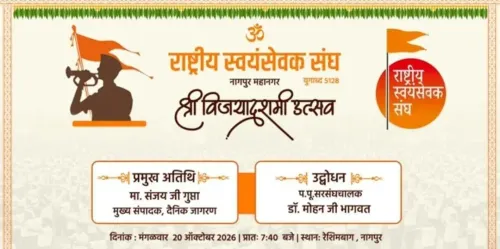
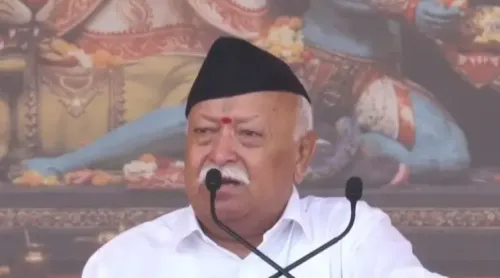
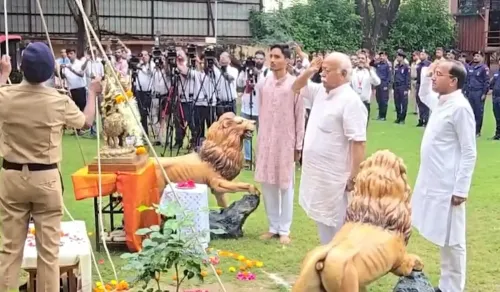
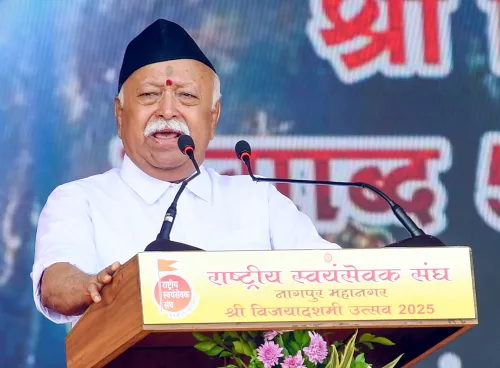
A hundred years after its founding, the Rashtriya Swayamsevak Sangh is still shaping the political conversation — and Delhi Chief Minister Rekha Gupta wants India's youth to be listening. On Tuesday, 20 October 2026, Gupta amplified the centenary address delivered by RSS Sarsanghchalak Dr. Mohan Bhagwat at the organisation's headquarters in Nagpur, calling it essential viewing for every young Indian.
In her post, Gupta wrote: 'Bharat ki asli taaqat humari sanskriti, hamare sanskaar aur samaj ki ekta mein hai' — 'India's real strength lies in our culture, our values, and the unity of society.' She urged youth across the country to watch Bhagwat's address, describing it as carrying a message of pride in heritage, responsibility toward society, and confidence in India's future.
Bhagwat's three-point call from Nagpur
According to Gupta's post, Dr. Bhagwat's centenary address carried three core exhortations: stay rooted in one's origins, stay alert to forces that seek to divide society, and come together to build a stronger India. The speech was delivered at Nagpur, the Maharashtra city that has served as the RSS's nerve centre since the organisation was founded there by Dr. K.B. Hedgewar on 27 September 1925.
Gupta attached a link to the full address — a relatively rare step that signals the BJP's intent to turn the centenary moment into a broad youth-outreach exercise, not just an internal celebration. The call to 'definitely listen to this address' was direct and personal.
A century of the RSS — and why the milestone matters now
The RSS's centenary year is one of the most symbolically loaded moments in the organisation's history. Founded to promote Hindu cultural unity and social discipline, the RSS has grown into the world's largest volunteer organisation, with its ideological ecosystem directly shaping the BJP — currently India's ruling party at the Centre. Delhi Chief Ministers amplifying RSS Sarsanghchalak addresses is not unusual; what the centenary adds is scale and intent.
BJP leaders routinely echo RSS messaging on cultural rootedness and social cohesion, consistent with the party's ideological lineage. But centenary-year addresses carry additional weight — they are framed as generational statements, not merely routine guidance. Gupta's post positions Bhagwat's speech in exactly that register.
Youth as the centenary's target audience
The explicit call to 'yuva saathi' — young friends — is pointed. RSS centenary programming has placed sustained emphasis on attracting younger demographics, and state-level BJP leaders have been instrumental in amplifying that outreach digitally. Gupta's post, combining cultural pride with a direct video link, is a textbook example of that strategy in action.
Whether the centenary messaging translates into measurable youth engagement — in shakhas, in civic programmes, or simply in viewership — is the metric to watch as the RSS's hundredth year unfolds.
Point of View
She reinforces Delhi BJP's cultural-nationalist positioning ahead of what remains a competitive electoral landscape in the capital. The centenary framing elevates routine cultural messaging into a once-in-a-generation moment, giving BJP leaders a high-legitimacy occasion to consolidate the party's core voter base. The explicit youth outreach signals that the RSS-BJP ecosystem views digital amplification — not just ground-level shakha work — as central to its next-century strategy. Analysts will watch whether centenary-year messaging produces visible organisational gains or remains primarily symbolic.
NationPress
20 Oct 2026
Frequently Asked Questions
What is the RSS centenary year?
The Rashtriya Swayamsevak Sangh was founded on 27 September 1925 in Nagpur by Dr. K.B. Hedgewar, making 2025–26 its centenary — or 100th founding anniversary — year.
What did Mohan Bhagwat say in his centenary address?
According to Delhi CM Rekha Gupta's post, Dr. Mohan Bhagwat called on Indians to stay rooted in their cultural origins, remain vigilant against forces that divide society, and unite to build a stronger India.
Why did Rekha Gupta share the RSS address?
Delhi Chief Minister Rekha Gupta shared the speech as part of the RSS centenary year, urging Indian youth to watch it for its message on cultural pride, social responsibility, and India's future.
Where is RSS headquarters located?
The RSS headquarters is in Nagpur , Maharashtra — the same city where Dr. K.B. Hedgewar founded the organisation in 1925 and where the centenary address was delivered.
What is the relationship between the BJP and the RSS?
The BJP traces its ideological lineage to the RSS ecosystem; BJP leaders, including serving Chief Ministers, regularly amplify RSS messages on cultural rootedness and social cohesion.