CM Dhami at Uttarakhand Uday Conclave: Jobs, UCC, Anti-Graft Drive

Synopsis
Chief Minister Pushkar Singh Dhami addressed the Uttarakhand Uday Conclave in Dehradun on 20 October 2026, citing 35,000 government jobs in five years, India-first UCC implementation, a toll-free anti-corruption helpline, and over 59 lakh Char Dham pilgrims this season.
Key Takeaways
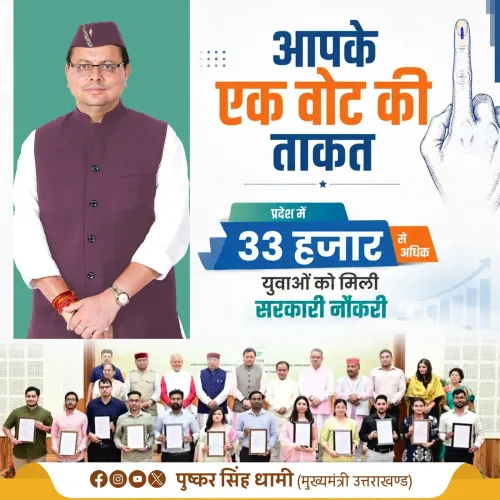
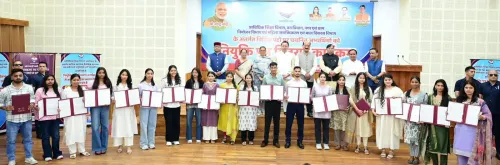
More than 35,000 government jobs have been provided to youth in Uttarakhand over the past five years, backed by a strict anti-cheating law enacted in 2023.
Uttarakhand is the first Indian state to implement the Uniform Civil Code, enacted in 2024, aimed at equal legal rights for women.
Toll-free helpline 1064 allows any citizen to file corruption complaints directly as part of the government's zero-tolerance anti-graft policy.
Over 59 lakh (5.9 million) devotees have visited the Char Dham shrines this year, with ongoing upgrades to road, health, and safety infrastructure on pilgrimage routes.
The government aims to promote other religious and tourism sites to generate new livelihood opportunities for local communities in hill districts.
Dhami framed all priorities within PM Modi's 'Sabka Saath, Sabka Vikas' inclusive-development framework, targeting benefits for the most marginalised citizens.
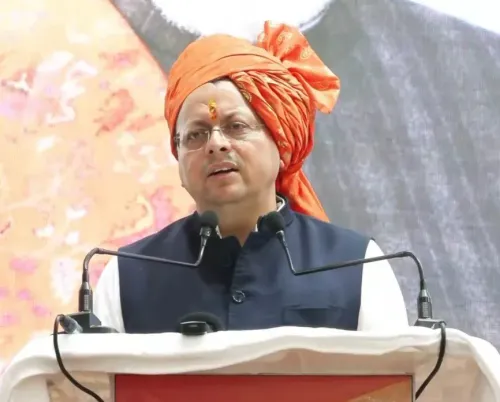
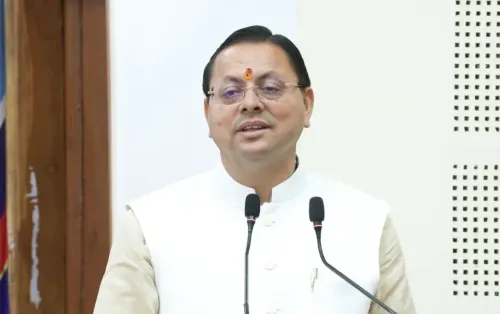
At a high-profile conclave in Dehradun on Tuesday, 20 October 2026, Chief Minister Pushkar Singh Dhami laid out the clearest picture yet of his government's core agenda — youth employment, women's legal rights, zero-tolerance on corruption, and a booming pilgrimage economy. The platform was the 'Uttarakhand Uday Conclave' organised by HNN News Channel, and Dhami used it to take pointed questions and deliver direct answers.
35,000 government jobs and a strict no-cheating law
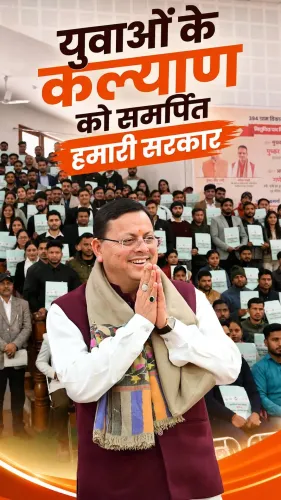
Dhami led with numbers on youth employment, declaring that more than 35,000 government jobs have been provided to young people in the state over the past five years. He framed this as a direct outcome of a reformed, transparent recruitment process — one anchored by a strict anti-cheating law enacted in 2023 that was among the toughest in the country at the time.
'The government's clear resolve is that youth in the state get employment opportunities on the basis of their hard work and merit,' Dhami said. The anti-cheating legislation was a direct response to a string of paper-leak scandals that had rattled competitive exam aspirants across the state, and it signalled a deliberate shift toward accountability in hiring.
Uttarakhand's Uniform Civil Code: a first for India
On women's rights, Dhami was emphatic: Uttarakhand became the first state in India to implement the Uniform Civil Code (UCC), a distinction the Chief Minister described as 'a decisive step toward women's empowerment and equal rights.' The UCC, enacted in 2024, replaces religion-specific personal laws with a single civil framework governing marriage, divorce, inheritance, and adoption.
Dhami added that his government is also working to make women economically self-reliant — connecting them with employment, self-employment schemes, and livelihood programmes. The pairing of legal reform with economic initiative signals a two-track strategy rather than symbolic legislation alone.
Helpline 1064 and the zero-tolerance anti-corruption pledge
The Chief Minister called corruption 'non-negotiable,' reiterating a zero-tolerance policy and pointing to a concrete mechanism: toll-free helpline number 1064, through which any citizen can lodge a corruption complaint directly. 'No person involved in corruption will be spared,' he said, placing transparency and accountability at the centre of his governance pitch.
The helpline represents an attempt to decentralise anti-corruption vigilance — moving it from top-down departmental audits toward citizen-driven reporting, a model that several state governments have experimented with in recent years.
59 lakh pilgrims and the Char Dham infrastructure push
On tourism and religion, Dhami cited a striking headline figure: more than 59 lakh (5.9 million) devotees have already reached the Char Dham shrines this year. He attributed the surge to growing public faith in Uttarakhand and to sustained investment in road, health, traffic, and security facilities along the pilgrimage routes.
The Char Dham circuit — connecting Yamunotri, Gangotri, Kedarnath, and Badrinath — is the state's single biggest driver of seasonal revenue and local employment. Dhami signalled that the government intends to extend this model to other religious and tourist sites, generating fresh livelihood opportunities for residents in remote hill districts.
PM Modi's mantra and the push to reach 'the last person'
Dhami closed his address by situating Uttarakhand's agenda within Prime Minister Narendra Modi's national framework — 'Sabka Saath, Sabka Vikas, Sabka Vishwas aur Sabka Prayas' ('Together with all, development for all, trust of all, and effort by all'). He said development schemes must reach 'the person standing at the last end of society,' prioritising education, health, and basic infrastructure alongside jobs and tourism.
With youth employment, UCC implementation, anti-corruption tools, and record pilgrimage numbers all cited in a single sitting, the conclave served as a comprehensive mid-term report card — and a clear signal of the themes Dhami's government intends to campaign on.
Point of View
A populist transparency tool (helpline 1064), employment metrics, and a booming pilgrimage economy into a single, coherent brand. The UCC milestone, in particular, sets Uttarakhand apart from other BJP-governed states and signals an intent to lead on social reform rather than merely follow central directives. Rhetorically, anchoring the address in PM Modi's 'Sabka Saath' framework keeps the state tightly aligned with the national party line while claiming local credit — a balance that will define Uttarakhand's political positioning ahead of the next electoral cycle. The real test will be whether implementation metrics — job recruitment timelines, UCC registration uptake, helpline resolution rates — match the ambition of the numbers Dhami has put on record.
NationPress
20 Oct 2026
Frequently Asked Questions
What is the Uttarakhand Uday Conclave?
The Uttarakhand Uday Conclave is a public-affairs event organised in Dehradun where Chief Minister Pushkar Singh Dhami addressed questions on the state government's achievements, policy decisions, and development plans on 20 October 2026.
How many government jobs has Uttarakhand provided in the last five years?
CM Dhami stated that more than 35,000 government jobs have been provided to youth in Uttarakhand over the past five years, with recruitment transparency ensured through a strict anti-cheating law.
Is Uttarakhand the first state to implement the Uniform Civil Code?
Yes. Uttarakhand enacted the Uniform Civil Code in 2024, becoming the first Indian state to implement a single civil personal law framework, replacing religion-specific personal laws on matters like marriage and inheritance.
What is Uttarakhand's anti-corruption helpline number?
The Uttarakhand government operates toll-free helpline number 1064, through which any citizen can directly lodge a complaint about corruption as part of the state's zero-tolerance policy.
How many pilgrims visited Char Dham in 2026?
CM Dhami stated that more than 59 lakh (5.9 million) devotees had reached the Char Dham shrines during the 2026 pilgrimage season, with the government investing in road, health, and security infrastructure along the routes.