Rijiju hails RSS chief Bhagwat's centenary Vijayadashami address
Synopsis
Union Minister Kiren Rijiju publicly praised RSS Sarsanghchalak Dr. Mohan Bhagwat's centenary Vijayadashami address in Nagpur on 20 October 2026, highlighting themes of nation-building, self-reliance, and the Panch Parivartan framework as inspirational for every Indian.
Key Takeaways
Union Minister Kiren Rijiju praised Dr.
Mohan Bhagwat's centenary Vijayadashami address on 20 October 2026 .
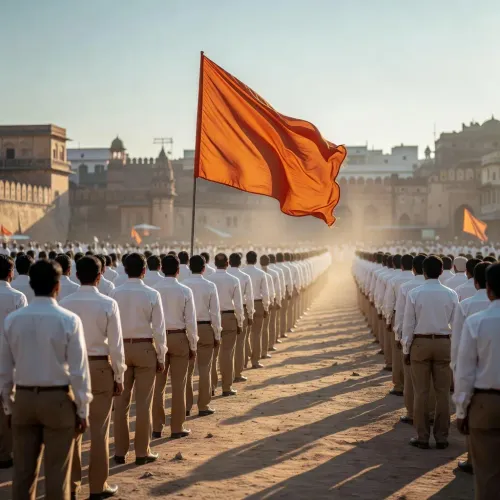
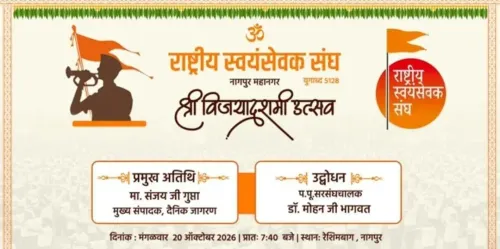
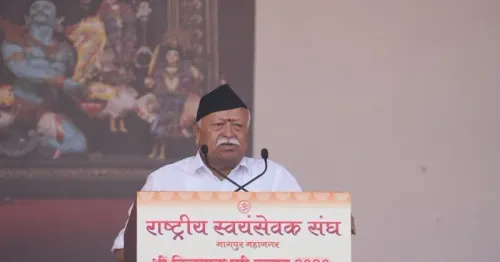
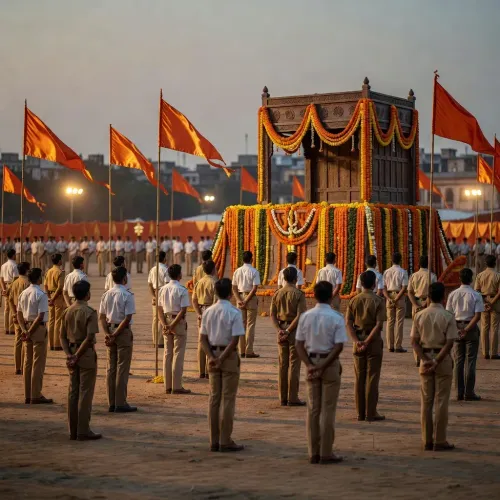
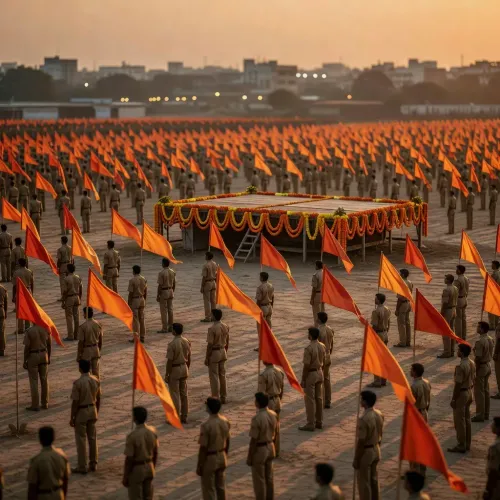
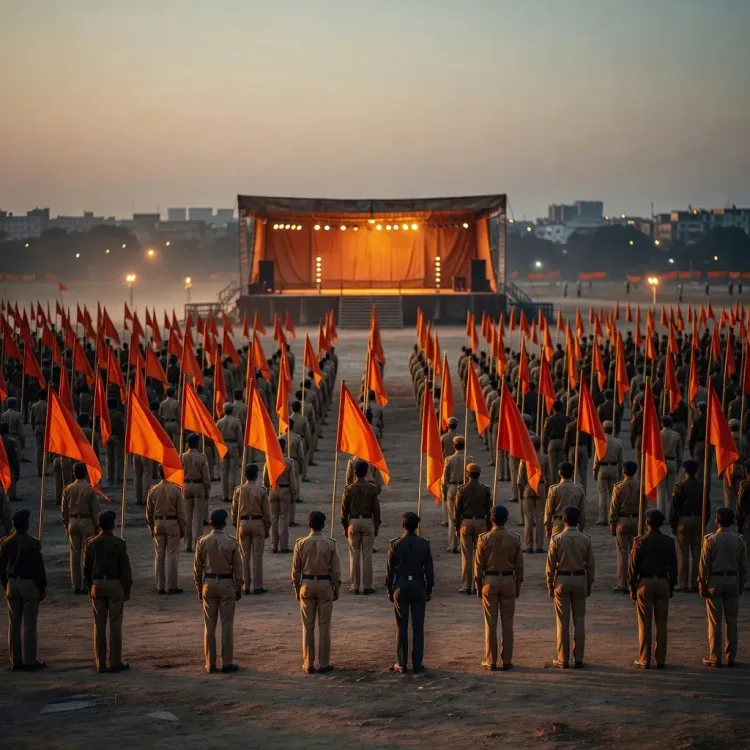
The speech was delivered in Nagpur , the RSS headquarters, at the organisation's centenary-year Vijayadashami event.
Rijiju highlighted themes of nation-building, social unity, self-reliance ( aatmanirbharta ), and Panch Parivartan from the address.
The RSS was founded in 1925 in Nagpur, making this Vijayadashami its 100th anniversary .
Senior BJP ministers publicly amplifying the RSS annual address is a recurring pattern reflecting shared ideological vocabulary between the Sangh and the ruling party.
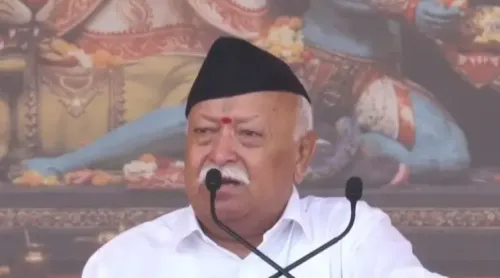
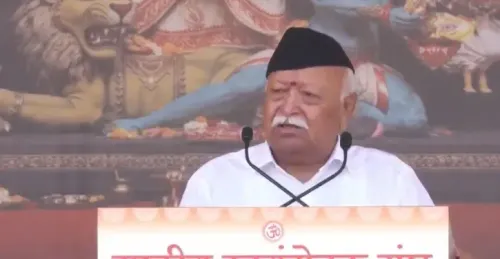
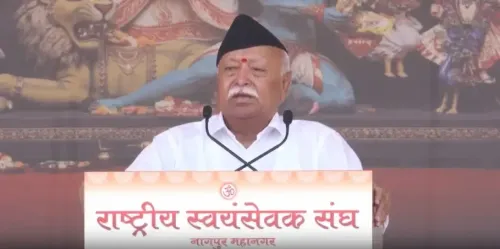
A hundred years after its founding, the Rashtriya Swayamsevak Sangh marked its centenary Vijayadashami with its annual address from Nagpur — and the speech drew an immediate, emphatic response from one of the Union Cabinet's senior-most voices. Union Parliamentary Affairs and Minority Affairs Minister Kiren Rijiju took to X on Tuesday, 20 October 2026, calling the address by RSS Sarsanghchalak Dr. Mohan Bhagwat 'inspiring and memorable.'
Rijiju's post, written in Hindi, described Bhagwat's speech as one that 'strengthens the resolve of nation-building, social unity, self-reliance and Panch Parivartan' — a five-point transformation framework. He added that the message of service and social empowerment serves as 'a source of inspiration for every swayamsevak and Indian dedicated to national interest.'
The centenary moment at Nagpur's Reshimbagh
Nagpur, Maharashtra is not merely the RSS's postal address — it is the organisation's spiritual and operational heartland. Founded on Vijayadashami day in 1925 by Dr. Keshav Baliram Hedgewar, the RSS has held its flagship annual gathering at the same location every year since, using the occasion to lay out its ideological agenda for the months ahead. A centenary edition carries symbolic weight that goes well beyond any single speech.
Dr. Bhagwat, the Sarsanghchalak — the supreme chief of the organisation — traditionally delivers the keynote that sets the Sangh's tone. The themes Rijiju highlighted — national self-reliance (aatmanirbharta), social unity, and the Panch Parivartan framework — closely mirror priorities that the BJP-led central government has also foregrounded in its policy communications, reflecting the longstanding ideological continuity between the two bodies.
Why senior BJP ministers publicly amplify the address
It is a well-established pattern: senior BJP ministers issue public endorsements of the RSS Vijayadashami address each year, underlining the shared vocabulary of nation-building that links the government and the Sangh. Rijiju, a prominent face of the BJP from Arunachal Pradesh and a minister who manages the government's parliamentary strategy, is among the most visible Union Cabinet voices to do so this cycle.
The centenary year amplifies the gesture. An organisation turning 100 while its ideological affiliate holds power at the Centre is a political fact of considerable weight — and a minister's public praise is as much a signal of institutional solidarity as it is a personal tribute.
Whether the specific programmatic content of Bhagwat's address finds its way into parliamentary discourse or government policy statements in the weeks ahead will be the real measure of how far the centenary messaging travels.
Point of View
Not just organisational longevity. The overlap between Bhagwat's themes and Modi government messaging — self-reliance, social cohesion — signals that the centenary's rhetorical frame will likely echo in parliamentary and policy settings in the weeks ahead.
NationPress
20 Oct 2026
Frequently Asked Questions
What did Kiren Rijiju say about Mohan Bhagwat's Vijayadashami speech?
Rijiju called the speech 'inspiring and memorable,' saying it strengthens the resolve of nation-building, social unity, self-reliance, and the Panch Parivartan framework, and serves as a source of inspiration for every swayamsevak and Indian.
What is the RSS centenary Vijayadashami 2026?
The RSS was founded on Vijayadashami day in 1925 in Nagpur, making 2026 its hundredth anniversary. The centenary Vijayadashami celebration at Nagpur is the landmark annual event marking that milestone.
Who is Dr. Mohan Bhagwat?
Dr. Mohan Bhagwat is the Sarsanghchalak — the supreme chief — of the Rashtriya Swayamsevak Sangh, the Hindu nationalist volunteer organisation headquartered in Nagpur.
What is Panch Parivartan in the RSS context?
Panch Parivartan refers to a five-point transformation framework emphasised in RSS discourse, covering dimensions of individual and social change aligned with the Sangh's vision of national development.
Why do BJP ministers comment on the RSS Vijayadashami address every year?
Senior BJP ministers publicly endorsing the RSS annual address is a well-established pattern that underscores the ideological continuity between the BJP and the RSS, which founded the BJP's predecessor organisation.