RSS chief Mohan Bhagwat: World looks to India for answers at centenary rally
Synopsis
At the RSS's centenary Vijayadashami rally in Nagpur, Sarsanghchalak Mohan Bhagwat declared that a world beset by environmental collapse, fracturing families, and power struggles is looking to India's ancient traditions for answers — framing the organisation's second century not as a domestic project but as a civilisational mission with global stakes.
Key Takeaways
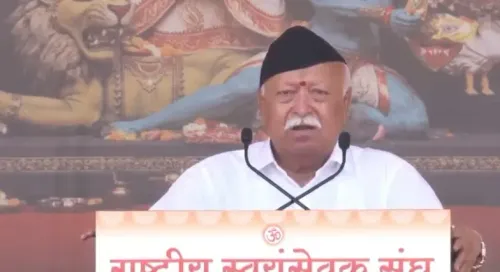
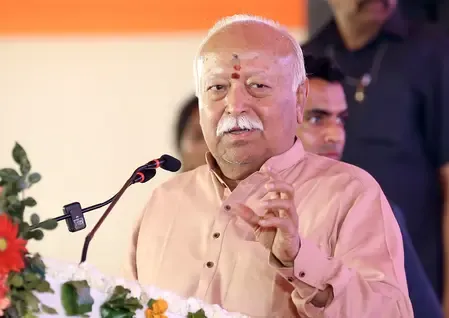
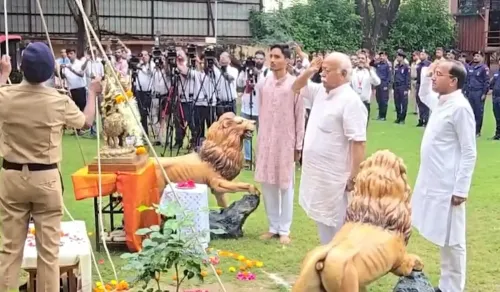
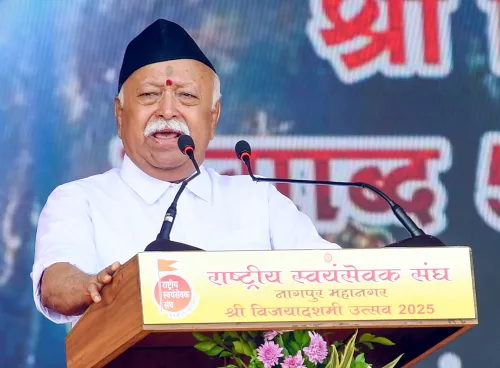
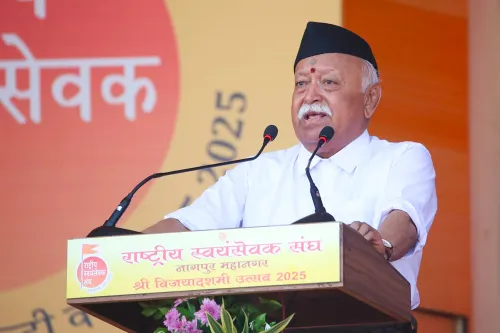
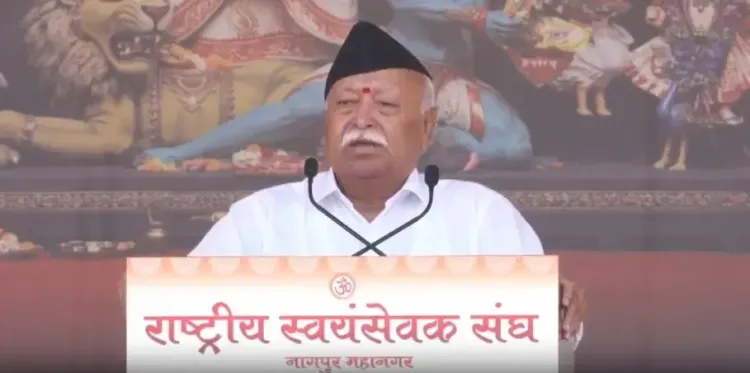
RSS Sarsanghchalak Mohan Bhagwat addressed the annual Vijayadashami rally at Reshimbagh ground, Nagpur on 20 October 2026 .
The address marked the close of the RSS centenary year — the organisation was founded on Vijayadashami in 1925 .
Bhagwat said wealthy, technologically advanced nations are struggling with environmental, social, and governance challenges, and that the world is looking to India for answers.
He cited the Preamble to the Indian Constitution as India's emotional bond, warning that forgetting it had historically led to decline and foreign rule.
Post-centenary priorities outlined: Samajik Samrasata (social harmony), Vyakti Nirman (character building), and collective social responsibility over state dependence.
Bhagwat stressed the youth as India's demographic dividend , calling for greater dedication than even the freedom struggle era demanded.
RSS Sarsanghchalak Mohan Bhagwat on Tuesday declared that a troubled world is turning to India for solutions, invoking the nation's civilisational heritage as he addressed the annual Vijayadashami rally at Reshimbagh ground in Nagpur. The address carried special weight as it marked the formal culmination of the Rashtriya Swayamsevak Sangh (RSS)'s centenary year — the organisation was founded on Vijayadashami in 1925.
India's Global Moment
Bhagwat argued that prosperous, technologically advanced nations are grappling with environmental degradation, fracturing family structures, mismanagement of diversity, and the fallout from power struggles — and that India's ancient philosophical traditions hold the remedies. “The world knows that India holds the answers to these modern dilemmas. That is why the global community is listening attentively to what India has to say,” he stated.
He framed this not as national pride but as civilisational responsibility, urging citizens to embody and practise the values that, in his view, distinguish India's worldview from others.
Constitution, Unity, and the Emotional Bond
Bhagwat anchored his ideological argument in the Preamble to the Indian Constitution, describing it as the nation's emotional bond. “It is this very bond that has maintained the country as a single nation since ancient times, despite vast diversity. Our ancestors experienced this sense of unity; whenever we forgot it, we faced decline — so much so that we endured centuries of foreign rule,” he remarked.
He added that India's freedom was won through “intense sacrifices and struggles of numerous national icons,” and called on citizens to “continuously strengthen this emotional bond, understand it deeply, and actively practise it in our daily lives.”
Diversity as Strength, Not Fracture
Addressing India's vast cultural, regional, linguistic, and social plurality, Bhagwat outlined what he described as a non-negotiable prerequisite for national progress. “India possesses diverse geographic features, castes, languages, regions, and food habits. To move forward as one, the nation requires a foundational value system that respects every form of diversity. No other ideological framework in the world offers such an approach, but fortunately, India has inherited it through ancient traditions,” he said.
He urged citizens to reject what he called divisive ‘us vs. them’ narratives, maintain law and order, and pursue national unity and Swadeshi (self-reliance) as complementary goals.
Priorities for the Sangh's Next Century
With the RSS entering its second century of existence, Bhagwat outlined three organisational priorities: Samajik Samrasata (social harmony), Vyakti Nirman (individual character building), and collective social responsibility — asserting that societal transformation cannot be left solely to the state.
He also emphasised the youth as a demographic dividend, stressing that national strength depends on a new generation that is physically robust, mentally prepared, and grounded in discipline and character. “The present times require even greater dedication than the sacrifices made during the freedom struggle,” he said, calling for extraordinary effort from every citizen.
Significance of the Centenary Address
The 20 October 2026 Vijayadashami rally is widely regarded as the RSS's most significant annual platform — a moment when the Sarsanghchalak sets the ideological direction for the organisation and its vast network of affiliates. This year's address, coinciding with the close of the centenary year, drew particular attention from political observers and commentators across the spectrum. The themes of civilisational self-confidence, global relevance, and internal social cohesion are likely to reverberate through affiliated organisations in the months ahead.
Point of View
The RSS is staking a claim on the country's soft-power identity that runs parallel to, and sometimes ahead of, official government positioning. The invocation of the Constitution's Preamble as an RSS-aligned document is a deliberate rhetorical move: it pre-empts critics who cast the organisation as extra-constitutional. What mainstream coverage often misses is that Vijayadashami speeches set the ideological agenda for dozens of RSS affiliates — from student bodies to labour unions — making Bhagwat's themes a near-term policy signal as much as a philosophical statement.
NationPress
20 Oct 2026
Frequently Asked Questions
What did RSS chief Mohan Bhagwat say at the 2026 Vijayadashami rally?
Bhagwat declared at the Nagpur rally on 20 October 2026 that the world is looking to India to solve contemporary global crises — from environmental degradation to weakening family structures — through its ancient civilisational wisdom. He also outlined three post-centenary priorities for the RSS: social harmony, individual character building, and collective social responsibility.
Why was the 2026 RSS Vijayadashami address significant?
The 2026 address marked the culmination of the RSS's centenary year, as the organisation was founded on Vijayadashami in 1925. The centenary milestone made this rally one of the most symbolically important in the RSS's history, drawing wider public and political attention than a routine annual address.
What did Bhagwat say about the Indian Constitution?
Bhagwat described the Preamble to the Indian Constitution as the nation's emotional bond, arguing it reflects India's ancient sense of unity. He warned that whenever India forgot this bond, it faced decline — including centuries of foreign rule — and urged citizens to actively practise constitutional values in daily life.
How did Bhagwat address India's internal diversity?
He argued that India's diversity of castes, languages, regions, and geographies requires a foundational value system rooted in its ancient traditions — one he claimed no other ideological framework in the world offers. He called unity in India eternal and urged rejection of divisive narratives.
What role did Bhagwat assign to India's youth?
Bhagwat positioned the youth as India's core demographic dividend, stressing that national strength depends on a new generation that is physically healthy, mentally prepared, and disciplined. He called the present era more demanding than even the freedom struggle, urging extraordinary dedication from young Indians.