Giriraj Singh links Navratri's Nari Shakti to India's textile heritage
Synopsis
On Navratri 2026, Union Textiles Minister Giriraj Singh connected the nine divine forms of Goddess Durga to India's women handloom artisans, calling them symbols of strength, creation, and resolve who are modernising a centuries-old textile heritage.
Key Takeaways
Giriraj Singh , Union Minister of Textiles, posted a Navratri message on 20 October 2026 linking the nine forms of Maa Durga to Nari Shakti in India's textile tradition.
He praised women artisans for preserving a centuries-old heritage while giving it a new identity through skill, hard work, and innovation.
The message carries no new policy announcement or scheme, but reflects a recurring ministerial pattern of connecting festival symbolism to women's role in the handloom sector.
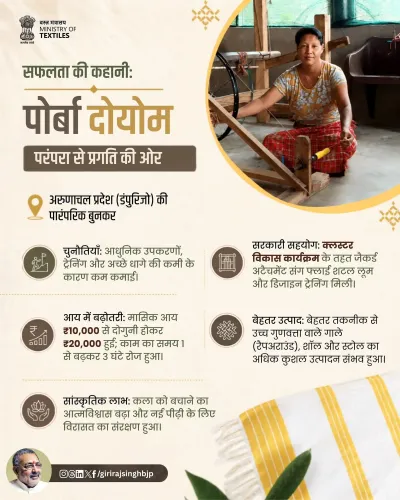
India's handloom sector employs a predominantly female workforce spread across weaving clusters in states such as Uttar Pradesh, West Bengal, Odisha, and Manipur.
The Navratri period is typically when government awareness campaigns for weaver-support programmes see their widest public reach.
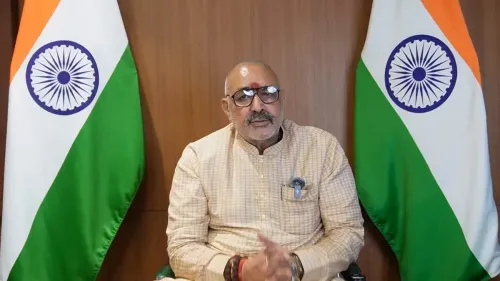
As Navratri 2026 unfolds across India, Union Textiles Minister Giriraj Singh has drawn a direct line between the nine divine forms of Goddess Durga and the millions of women who keep India's handloom and handicraft traditions alive — framing the festival not just as worship, but as a mirror of the country's weaving soul.
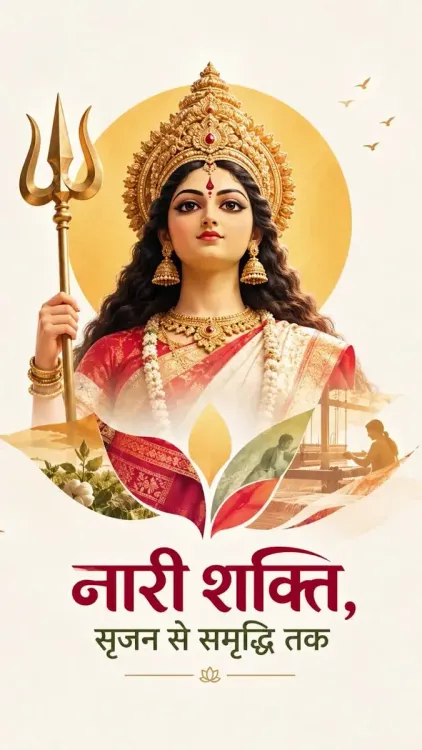
Posting on Tuesday, 20 October, Singh wrote: 'माँ दुर्गा के नौ स्वरूप नारी शक्ति के सामर्थ्य, सृजन और संकल्प का प्रतीक हैं' — 'The nine forms of Maa Durga are symbols of the strength, creation, and resolve of Nari Shakti.' He then turned that spiritual image toward the earthly: women in India's textile tradition are, he said, preserving a centuries-old heritage while simultaneously giving it a new identity for a new era — through skill, hard work, and innovation.
Durga's nine forms, the loom, and a recurring ministerial metaphor
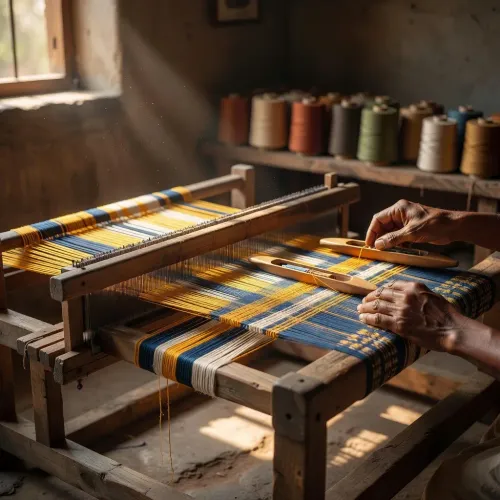
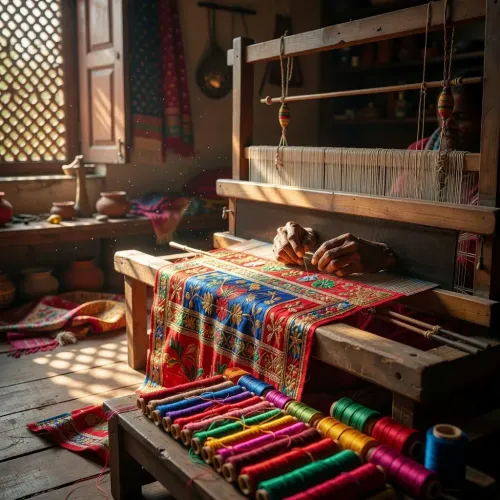
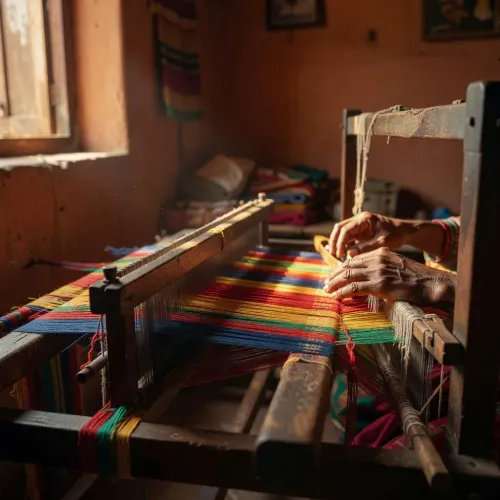
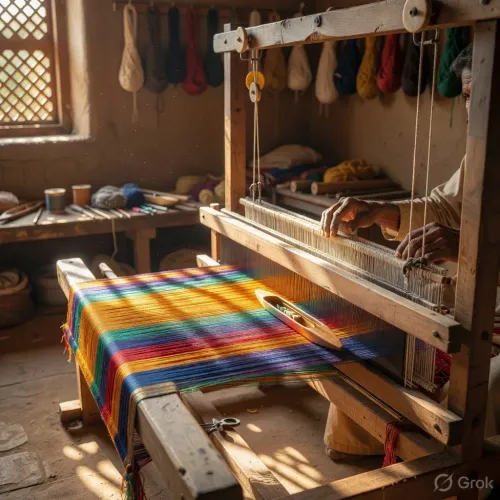
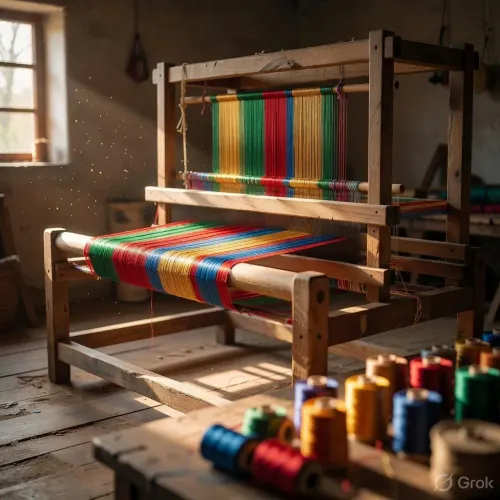
The invocation is deliberate and layered. Navratri's nine-night celebration of Goddess Durga has become a recurring moment in public messaging on women's empowerment, and for a Textiles Minister, the connection to women artisans is organic: India's handloom sector employs an estimated majority-female workforce, spanning weavers in Varanasi's Banarasi silk clusters, Odisha's ikat villages, Manipur's phanek weavers, and Bengal's tant cooperatives. The loom, in that sense, has always been Nari Shakti made tangible.
Singh's framing — 'हुनर, परिश्रम और नवाचार' (skill, hard work, and innovation) — echoes a pattern of messaging from successive governments that positions women artisans not merely as custodians of tradition but as active innovators carrying heritage into contemporary markets.
Festival messaging, real sector stakes
While Tuesday's post announces no new scheme or statistic, it arrives in a sector that carries genuine weight. India's textile and apparel industry is one of the country's largest employers, and handloom alone supports livelihoods across rural clusters in nearly every state. Government programmes over recent years have targeted weaver registration, credit linkage, and design modernisation — with women weavers as a stated focus group. The Navratri window, when cultural sentiment runs high, is also when awareness campaigns for such programmes typically see their broadest reach.
No new policy announcement accompanied the post — but as Singh heads into the final days of the festival season, any follow-up reference to training programmes or cluster-level initiatives will signal whether the sentiment is translating into action on the ground.
Nari Shakti has nine divine faces. On India's handlooms, it has many millions more.
Point of View
Politically safe, and aligns with the BJP's broader 'Nari Shakti' branding that has been central to its welfare-outreach narrative. The real test is whether such messaging is backed by measurable uptake in existing handloom schemes — credit access, GI-tag registration, e-commerce linkage — in the weeks that follow. Sentiment without a scheme is heritage messaging; sentiment with a scheme is governance.
NationPress
20 Oct 2026
Frequently Asked Questions
What did Giriraj Singh post on Navratri 2026?
Union Textiles Minister Giriraj Singh posted a message on 20 October 2026 connecting the nine forms of Goddess Durga to the strength, creativity, and resolve of women in India's textile and handloom tradition, praising their role in preserving and modernising the country's weaving heritage.
What is the connection between Navratri and India's handloom sector?
Navratri's celebration of Goddess Durga as a symbol of feminine power ('Nari Shakti') is frequently used in ministerial messaging to highlight the predominantly female workforce in India's handloom and handicraft sector, drawing a parallel between divine strength and the artisanal skill of women weavers.
Did Giriraj Singh announce any new scheme for women weavers on Navratri?
No new scheme or policy announcement accompanied the 20 October 2026 post. It was a cultural and motivational message connecting festival symbolism with the role of women in India's textile heritage.
How important are women to India's handloom sector?
Women form the majority of India's handloom workforce, working across weaving clusters in states including Uttar Pradesh, West Bengal, Odisha, Manipur, and others. The sector is one of India's largest rural employers after agriculture, and government programmes have increasingly targeted women weavers for skill and credit support.
Who is Giriraj Singh and what ministry does he head?
Giriraj Singh is a senior BJP leader and Lok Sabha MP from Begusarai, Bihar , currently serving as India's Union Minister of Textiles .