US flight halt: Router overload during fibre upgrade disrupted air traffic control
Synopsis
A single router generating over 1,000 connection attempts every four to five seconds during routine fibre-upgrade work by contractor L3Harris brought US air traffic control to a standstill on Friday. With investigators yet to determine whether the fault lay with equipment or human error, the incident exposes the fragility of legacy telecommunications infrastructure underpinning the world's busiest airspace.
Key Takeaways
Transportation Secretary Sean Duffy confirmed a router overload during telecom maintenance caused Friday's nationwide US flight halt.
The router generated more than 1,000 connection attempts every four to five seconds , disrupting aircraft communications and radar feeds.
Contractor L3Harris was replacing old copper lines with fibre and had completed over 70% of the planned conversion.
Authorities said they do not believe the disruption was a cyberattack, though the investigation is not complete.
American Airlines added 1,750 seats and introduced fare caps; schedules were expected to recover by close of business Sunday .
The incident is separate from the $12.5 billion FAA air traffic control modernisation programme.
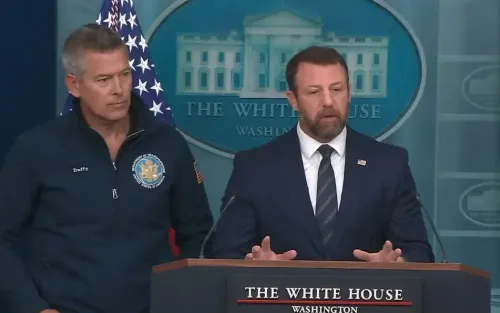
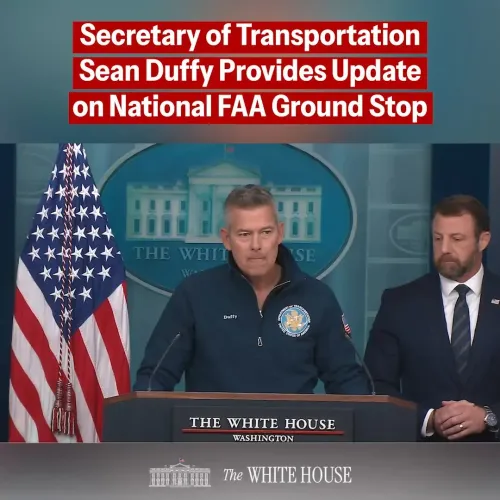
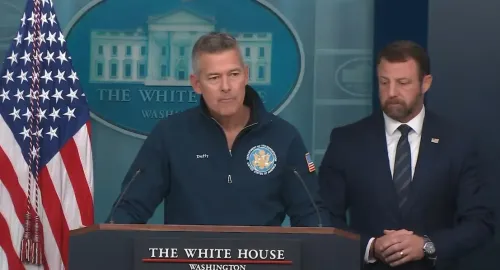
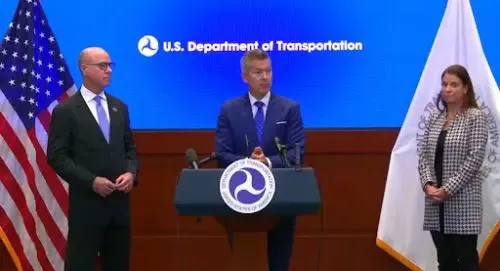
US Transportation Secretary Sean Duffy on Saturday offered a preliminary explanation for Friday's nationwide flight halt, saying a router flooded the US air traffic control network with more than 1,000 connection attempts every four to five seconds during telecommunications maintenance work at a remote facility. The disruption affected aircraft communications and radar feeds across multiple air traffic control centres, triggering a nationwide departure halt.
What Caused the Router Overload
Duffy identified defence and technology contractor L3Harris as the company carrying out the upgrade, which involved replacing old copper telecommunications lines with fibre-optic cables. The router involved in the incident generated an abnormal volume of connection attempts, overwhelming the network. Federal Aviation Administration (FAA) chief Bryan Bedford was present at the briefing alongside Duffy.
'We haven't determined what the fault was,' Duffy said, according to excerpts published by the Transportation Department. Investigators have not yet concluded whether contractor error or faulty equipment was responsible for the disruption.
Cyberattack Ruled Out, Investigation Ongoing
Authorities said they do not believe the disruption was a cyberattack, though that assessment was described as preliminary and not the result of a completed investigation. Officials said systems recovered after they isolated the work causing the overload.
Bedford drew a clear distinction between this incident and the separate $12.5 billion air traffic control modernisation programme, describing the work at the remote facility as routine maintenance of the existing network rather than part of that larger overhaul.
L3Harris Response and Work Progress
L3Harris said it was assisting the FAA in investigating the conditions that led to the ground stop. The company's statement did not admit responsibility or identify a cause. L3Harris noted it had been upgrading communications infrastructure in coordination with the FAA and telecommunications partners, and had completed more than 70 per cent of the planned copper-to-fibre conversion. 'L3Harris takes the nationwide ground stop and its impact on travellers, airlines and air traffic operations seriously,' the company said.
Impact on Airlines and Passengers
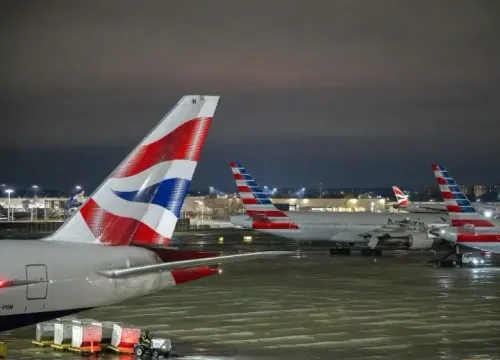
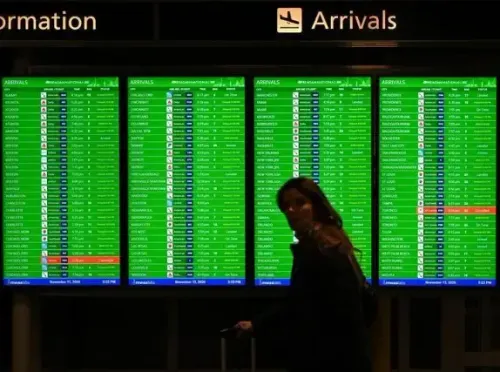
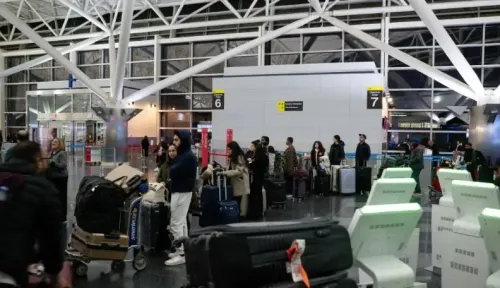
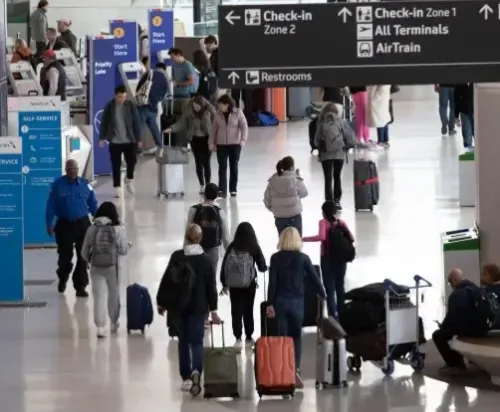
American Airlines added 1,750 seats through extra flights and introduced fare caps on domestic and short international routes as it worked to manage the fallout. Bedford indicated that airline partners expected schedules to recover by the close of business Sunday — though that was an expectation rather than a confirmation of restored normal operations. The Transportation Department confirmed that airspace was open on Saturday, while cautioning that passengers should expect continued delays and cancellations.
Notably, this is not the first time ageing telecommunications infrastructure within the US air traffic control system has drawn scrutiny. The incident adds pressure on regulators and contractors to accelerate the broader modernisation programme and tighten oversight of maintenance work on legacy networks.
Frequently Asked Questions
What caused the US nationwide flight halt on Friday?
A router flooded the US air traffic control network with more than 1,000 connection attempts every four to five seconds during telecommunications maintenance work at a remote facility, according to Transportation Secretary Sean Duffy. The disruption affected aircraft communications and radar feeds, forcing the FAA to impose a nationwide departure halt.
Who is L3Harris and what role did it play?
L3Harris is a defence and technology contractor identified by Secretary Duffy as the company replacing old copper telecommunications lines with fibre-optic cables at the facility where the incident occurred. The company said it was cooperating with the FAA investigation but did not admit responsibility or identify a cause.
Was the flight disruption a cyberattack?
Authorities said they do not believe it was a cyberattack, but that assessment was preliminary and based on an investigation that was not yet complete at the time of the briefing on Saturday.
When will US flight schedules return to normal?
FAA chief Bryan Bedford said airline partners expected schedules to recover by the close of business Sunday, though that was an expectation rather than a confirmed restoration of normal operations. Passengers were advised to expect continued delays and cancellations on Saturday.
Is this related to the FAA's $12.5 billion modernisation programme?
No. Bedford specifically distinguished the maintenance work at the remote facility from the separate $12.5 billion air traffic control modernisation programme, describing it as routine upkeep of the existing network rather than part of the larger overhaul.