Smriti Irani Pays Tribute to Birsa Munda on Janjatiya Gaurav Diwas
Synopsis
On Janjatiya Gaurav Diwas, BJP leader Smriti Irani paid tribute to Bhagwan Birsa Munda, the 19th-century tribal icon who led the Ulgulan movement against British rule. She called his contribution to Indian history eternally golden and his courage an enduring inspiration for future generations.
Key Takeaways
Smriti Irani paid tribute to Bhagwan Birsa Munda on his birth anniversary, 15 November 2026 .
Birsa Munda, born 15 November 1875 , led the Ulgulan movement against British land exploitation in the Chota Nagpur region.
He is revered as 'Dharthi Aaba' (Father of the Earth) among tribal communities.
The Government of India declared 15 November as Janjatiya Gaurav Diwas in 2021 to honour tribal contributions to India's freedom struggle.
Irani's post highlighted his legacy as an inspiration for future generations to resist injustice and protect cultural identity.
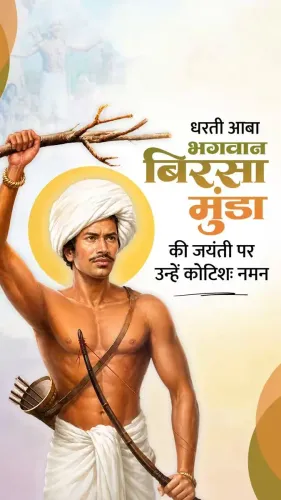
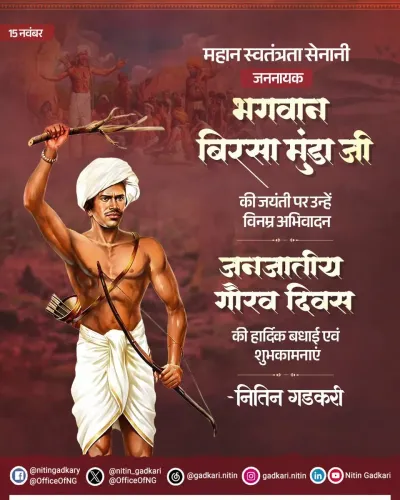
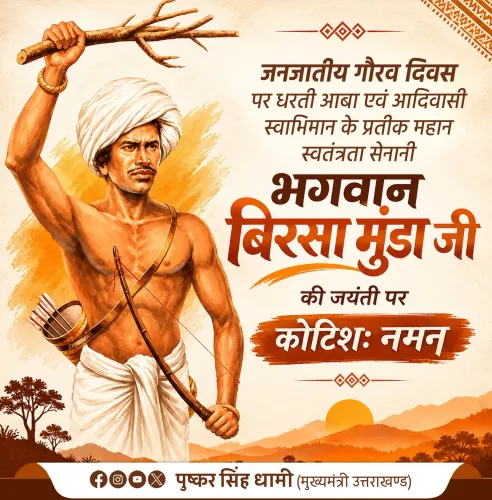
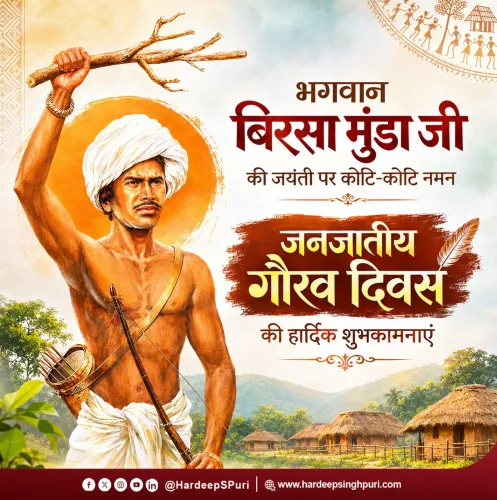
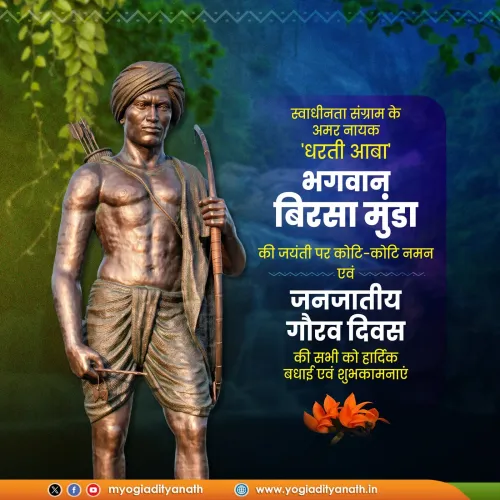
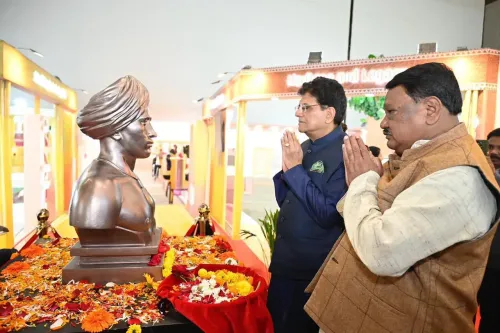
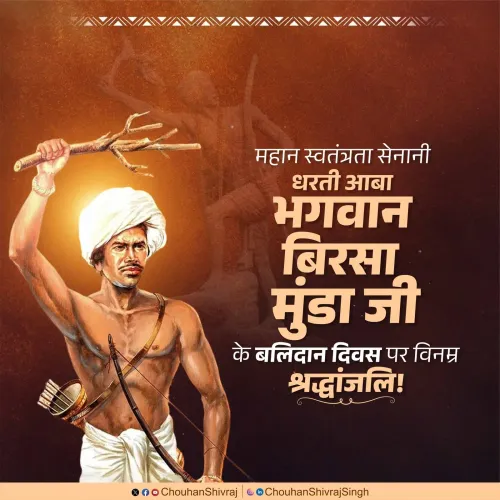
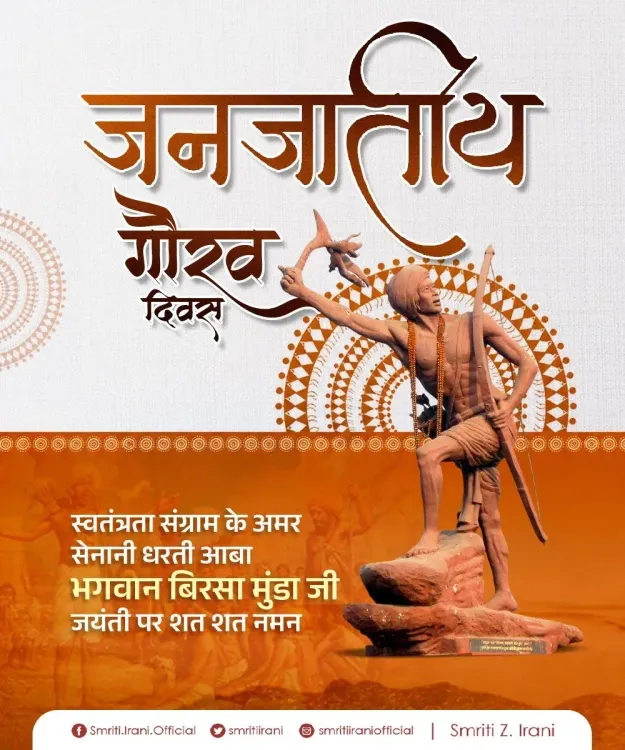
A freedom fighter who shook the British empire from the forests of Jharkhand over a century ago continues to command reverence at the highest levels of Indian public life. BJP leader Smriti Irani on Sunday, 15 November 2026 — Janjatiya Gaurav Diwas — paid homage to Bhagwan Birsa Munda, honouring the tribal icon's birth anniversary with a heartfelt tribute on X.
In her post, Irani wrote: 'धरती आबा भगवान बिरसा मुंडा जी का योगदान भारतीय इतिहास में सदैव स्वर्णिम अक्षरों में अंकित रहेगा' — 'The contribution of Dharthi Aaba Bhagwan Birsa Munda to Indian history will always be inscribed in golden letters.' She added that his courage in resisting British rule and his extraordinary bravery will continue to inspire future generations to stand against injustice and protect their culture and identity.
Who was Bhagwan Birsa Munda?
Birsa Munda, born on 15 November 1875 in the Chota Nagpur region (present-day Jharkhand), was a seminal figure from the Munda tribal community. Revered as 'Dharthi Aaba' — meaning 'Father of the Earth' — he led the Ulgulan ('The Great Tumult') movement in the late 1890s, mobilising tribal peasants against exploitative British land policies that were systematically stripping Adivasi communities of their ancestral holdings. His resistance united spiritual authority with political defiance, making him a singular force in the history of India's freedom struggle.
Janjatiya Gaurav Diwas and the national recognition of tribal history
In 2021, the Government of India formally declared 15 November as Janjatiya Gaurav Diwas — Tribal Pride Day — placing Birsa Munda's birth anniversary at the centre of the national calendar as a tribute to India's tribal freedom fighters. The designation marked a deliberate effort to weave Adivasi contributions more prominently into the country's official independence narrative. Each year, the day is marked by government programmes focused on tribal welfare, cultural preservation, and recognition of indigenous heritage across states with significant Adivasi populations.
Irani's tribute reflects the broader political consensus around Birsa Munda's legacy — a legacy that transcends party lines and speaks directly to India's approximately 10 crore tribal citizens whose ancestors carried the Ulgulan's torch. The fight he waged in the forests of Chota Nagpur over 125 years ago still frames conversations about land rights, cultural identity, and self-determination for tribal communities today.
On Janjatiya Gaurav Diwas, the forests of Chota Nagpur echo louder than ever — and India is still learning to listen.
Point of View
Amplified since the formal creation of Janjatiya Gaurav Diwas in 2021. The move to institutionalise 15 November as a national observance was a deliberate political and cultural signal aimed at India's vast Adivasi electorate. Recurring ministerial tributes reinforce the message that tribal heritage is central, not peripheral, to India's freedom story. How that symbolic recognition translates into substantive policy outcomes for tribal communities remains the more consequential long-term question.
NationPress
15 Nov 2026
Frequently Asked Questions
Why is 15 November celebrated as Janjatiya Gaurav Diwas?
15 November is observed as Janjatiya Gaurav Diwas (Tribal Pride Day) because it marks the birth anniversary of Bhagwan Birsa Munda , the iconic tribal freedom fighter. The Government of India declared this date a national observance in 2021 to honour the contributions of tribal communities to India's independence struggle.
Who was Birsa Munda and what was the Ulgulan movement?
Birsa Munda was a Munda tribal leader born on 15 November 1875 in the Chota Nagpur region. He led the Ulgulan ('The Great Tumult') movement in the late 1890s, mobilising tribal communities against British land policies that displaced Adivasi peasants from their ancestral lands.
What did Smriti Irani say about Birsa Munda?
Smriti Irani said that Birsa Munda's contribution to Indian history will always be inscribed in golden letters, and that his courage in resisting British rule will inspire future generations to stand against injustice and protect their culture and identity.
What does 'Dharthi Aaba' mean?
'Dharthi Aaba' is a title meaning 'Father of the Earth' in the Munda tradition, bestowed upon Birsa Munda in recognition of his spiritual authority and his role as a protector of tribal land and community.
When was Janjatiya Gaurav Diwas established?
Janjatiya Gaurav Diwas was established by the Government of India in 2021 , designating 15 November — Birsa Munda's birth anniversary — as a national day to recognise the role of tribal freedom fighters in India's independence movement.