CM Dhami Joins Aadi Gaurav Mahotsav 2026 in Dehradun
Synopsis
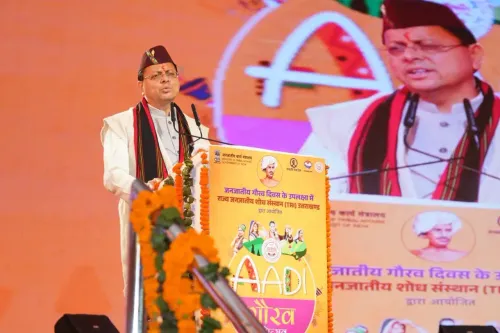
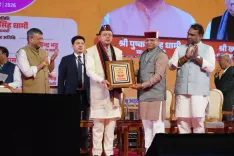
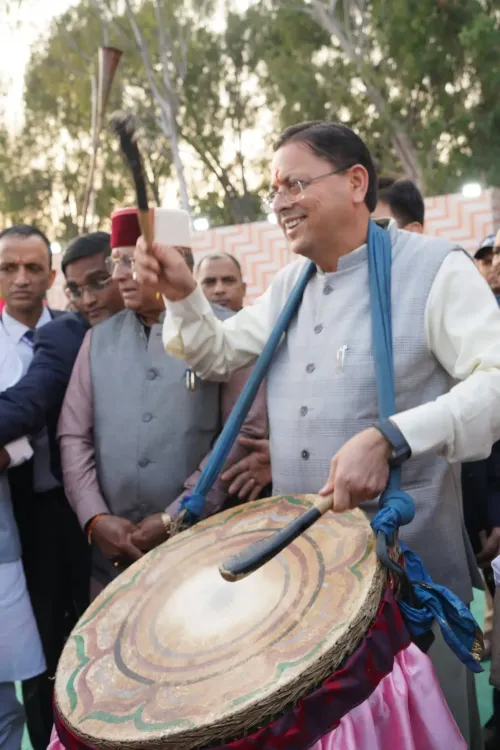
Uttarakhand CM Pushkar Singh Dhami attended Aadi Gaurav Mahotsav 2026 at Dehradun's Parade Ground on Janjatiya Gaurav Divas, paying tribute to Birsa Munda, viewing a tribal handicrafts exhibition, and holding dialogue with Bhotia communities from Pithoragarh's border regions.
Key Takeaways
CM Pushkar Singh Dhami participated in Aadi Gaurav Mahotsav Uttarakhand-2026 at Dehradun's Parade Ground on 16 November 2026 .
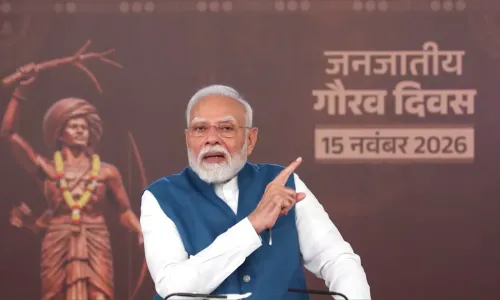
Janjatiya Gaurav Divas is observed on 15 November , the birth anniversary of tribal freedom fighter Birsa Munda , a national observance instituted in 2021 .
Members of the Bhotia (Rang and Shauka) Scheduled Tribe community from Dharchula and Munsiyari in Pithoragarh district were present and met the CM.
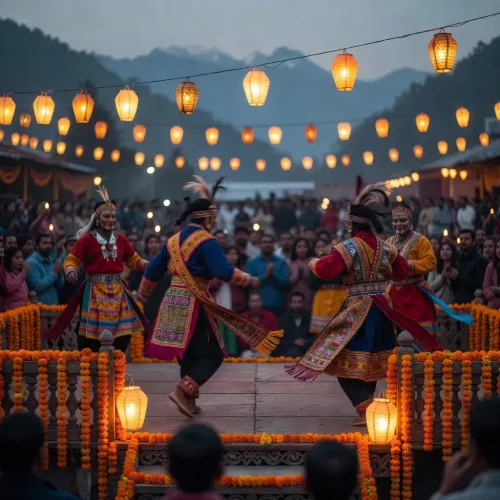
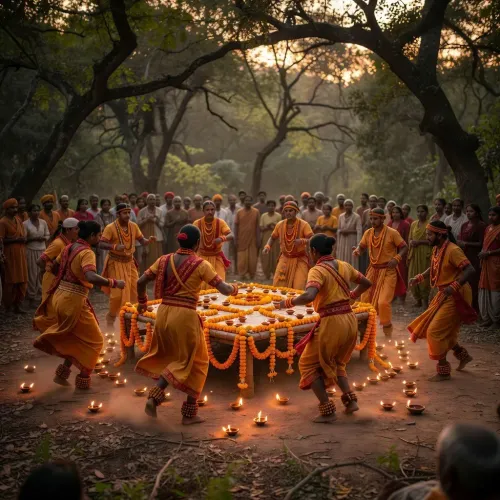
The event featured an exhibition of tribal culture, traditional handicrafts, and local products from across Uttarakhand's tribal regions.
CM Dhami held an aatmiya samvad (heartfelt dialogue) with tribal representatives from various districts of the state.
At Dehradun's Parade Ground on 16 November 2026, Uttarakhand Chief Minister Pushkar Singh Dhami stood among tribal representatives from across the state to mark Janjatiya Gaurav Divas — a national day that belongs as much to the high-altitude border villages of Pithoragarh as to any conference hall in the plains.
Birsa Munda's Legacy on the Himalayan Stage
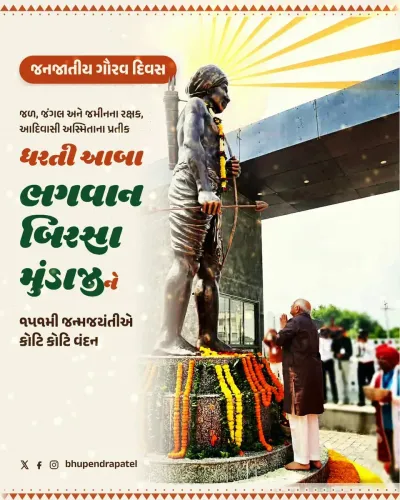
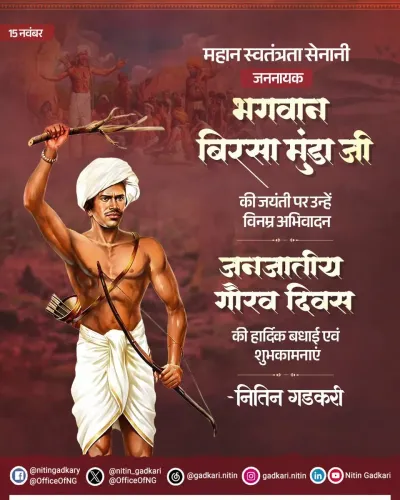
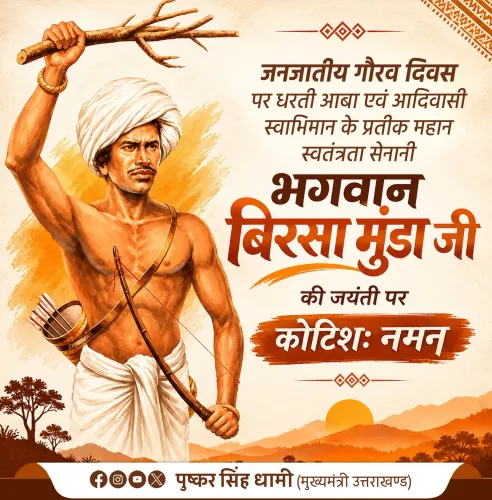
Janjatiya Gaurav Divas falls on 15 November, the birth anniversary of Bhagwan Birsa Munda — the tribal freedom fighter who led the Ulgulan uprising against colonial rule in the late nineteenth century. The Government of India instituted the observance in 2021 to formally honour tribal contributions to the independence movement. CM Dhami paid tribute to Birsa Munda and extended greetings to tribal communities, saying he offered 'naman' [reverence] to the icon before engaging with attendees.
The state-level celebration, branded 'Aadi Gaurav Mahotsav Uttarakhand-2026', translated that national sentiment into something tangible: stalls of traditional handicrafts, locally made products, and living cultural demonstrations that gave tribal artisans a platform in the state capital.
Bhotia Communities of Dharchula and Munsiyari Take Centre Stage
Among the most striking presences at the event were members of the Bhotia (Rang and Shauka) community from Dharchula and Munsiyari in Pithoragarh district — Uttarakhand's remote trans-Himalayan border blocks. Scheduled Tribe groups with deep traditions of cross-border pastoral and trade networks, their attendance at a state-capital gathering underlined the event's intent to bring the margins to the centre.
CM Dhami held what he described as an 'aatmiya samvad' [heartfelt dialogue] with tribal representatives arriving from various regions of the state — not a formal address behind a podium, but a direct, personal exchange with community members.
Handicrafts, Heritage, and the Economic Undercurrent
Beyond the ceremonial tribute, the CM also walked through an exhibition of tribal culture, traditional handicrafts, and local products — a consistent feature of Janjatiya Gaurav Divas events that doubles as an economic showcase. For Uttarakhand's Scheduled Tribe artisans, whose craft clusters are scattered across border districts with limited market access, such visibility at the state capital carries real commercial weight.
Himalayan states like Uttarakhand have increasingly used these annual observances to combine cultural recognition with low-key market linkage — a pattern that advocates hope will eventually translate into dedicated budget lines for tribal handicraft clusters and heritage preservation in districts like Pithoragarh.
Point of View
Where Scheduled Tribe communities in Pithoragarh live at the intersection of cultural preservation and economic marginalisation, the symbolic recognition carries stakes beyond ceremony. The consistent pairing of cultural tribute with handicraft exhibitions signals a nascent policy intent to create market access for tribal artisans — but the gap between exhibition stalls and sustained budget commitments remains the story to watch. How that intent translates into the next state budget cycle will determine whether Janjatiya Gaurav Divas becomes a turning point or remains a well-attended annual ritual.
NationPress
16 Nov 2026
Frequently Asked Questions
What is Janjatiya Gaurav Divas and why is it celebrated on 15 November?
Janjatiya Gaurav Divas is a national observance declared by the Government of India in 2021 to honour the contributions of tribal freedom fighters to India's independence movement. It falls on 15 November , the birth anniversary of Birsa Munda , the iconic tribal leader and revolutionary.
What is Aadi Gaurav Mahotsav Uttarakhand 2026?
Aadi Gaurav Mahotsav Uttarakhand-2026 is a state-level cultural celebration held at Dehradun's Parade Ground to mark Janjatiya Gaurav Divas. The event features exhibitions of tribal culture, traditional handicrafts, and local products, alongside community interactions with tribal representatives from across the state.
Who are the Bhotia (Rang and Shauka) people of Uttarakhand?
The Bhotia (Rang and Shauka) communities are Scheduled Tribe groups from Uttarakhand's high-altitude Pithoragarh district , concentrated in areas like Dharchula and Munsiyari . They have historically been known for trans-Himalayan pastoral and trade traditions.
What did CM Dhami do at Aadi Gaurav Mahotsav 2026?
CM Pushkar Singh Dhami paid tribute to Birsa Munda , greeted tribal communities on Janjatiya Gaurav Divas, toured an exhibition of tribal culture and handicrafts, and held personal dialogue with tribal representatives including members of the Bhotia community from Pithoragarh.
Where is the Aadi Gaurav Mahotsav 2026 being held?
The Aadi Gaurav Mahotsav Uttarakhand-2026 is being held at the Parade Ground in Dehradun , the capital city of Uttarakhand.