CM Dhami Hails Women's Gathering in Chamoli as Proof of Public Trust
Synopsis
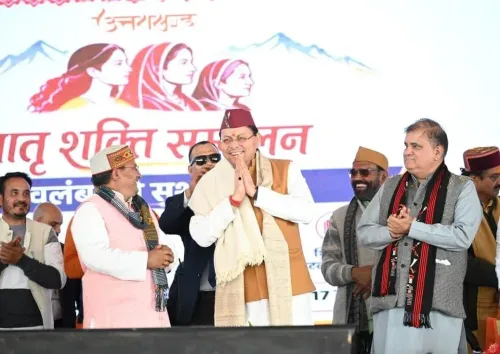
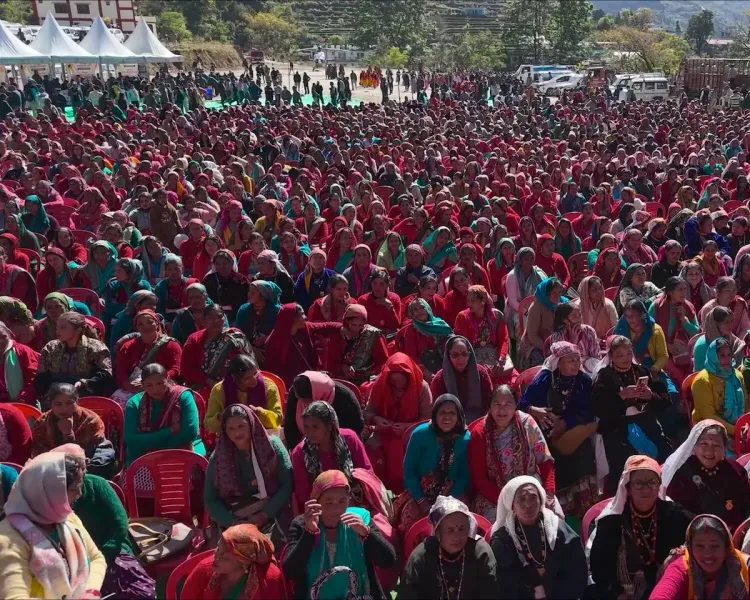
Uttarakhand CM Pushkar Singh Dhami highlighted a large gathering of women at Peepalkoti in Chamoli on November 17, 2026, calling it proof that the state's women back his government's pledges on development, security, self-reliance and empowerment.
Key Takeaways
CM Pushkar Singh Dhami addressed a large women's gathering in Peepalkoti, Chamoli district on November 17, 2026 .
Dhami described the turnout as proof that the women of Uttarakhand actively participate in the state's development journey.
He outlined four government commitments to women: honour, security, self-reliance ( swavalamban ), and empowerment ( sashaktikaran ) .
Chamoli's hilly terrain and dispersed villages make large-scale women's mobilisation logistically and politically significant.
The Dhami government has prioritised women's welfare and self-help group expansion since taking office in 2021 .
The Uttarakhand assembly's winter session is the next event to watch for follow-up announcements on women-focused programmes.
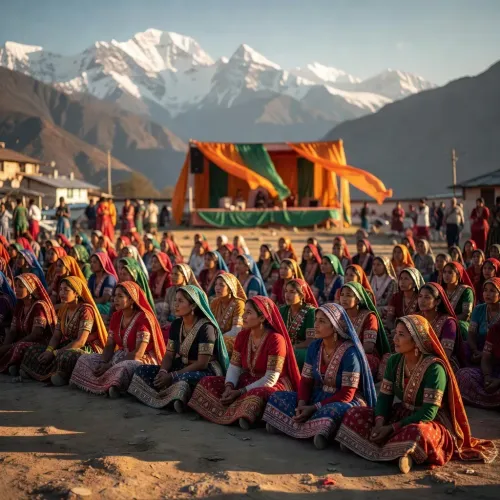
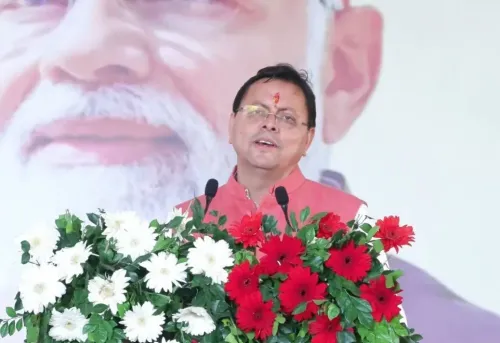
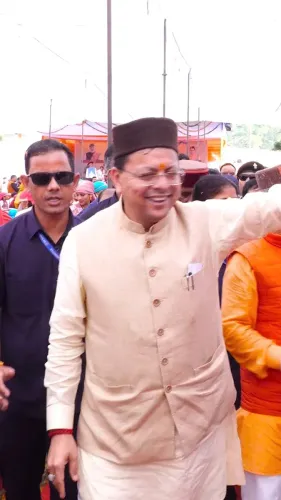
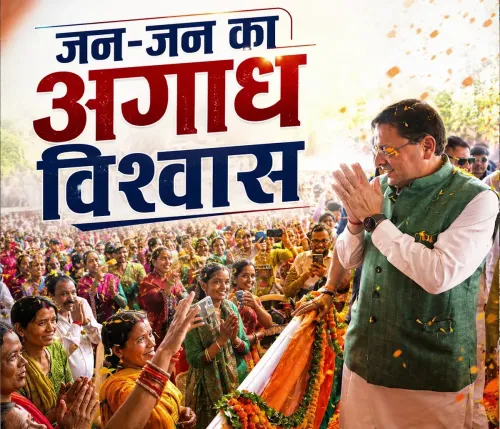
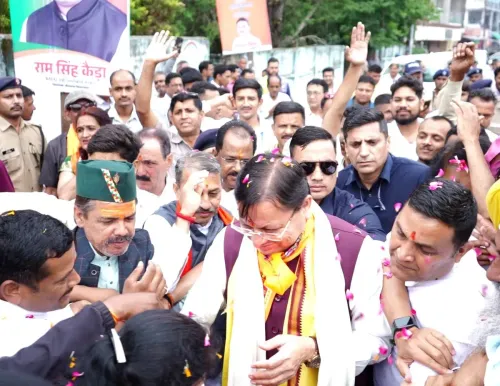
Thousands of women from the high hills of Chamoli district converged at Peepalkoti — and Uttarakhand Chief Minister Pushkar Singh Dhami says the sheer scale of that gathering speaks louder than any opinion poll. Posting on X on November 17, 2026, Dhami framed the mass turnout of matrishakti (women's collective strength) as living testimony that the women of Uttarakhand stand shoulder to shoulder with his government's agenda of development and good governance.
Translating his words directly: 'The massive gathering of matrishakti at Peepalkoti (Chamoli) and their immense affection and blessings are proof that the women of the state are becoming continuous participants in the resolve for development, good governance and public welfare.' The Chief Minister went on to describe the trust and affection of the women of the mountains as a force that 'provides new energy to the development journey of the state.'
Peepalkoti as a Political Pulse-Point
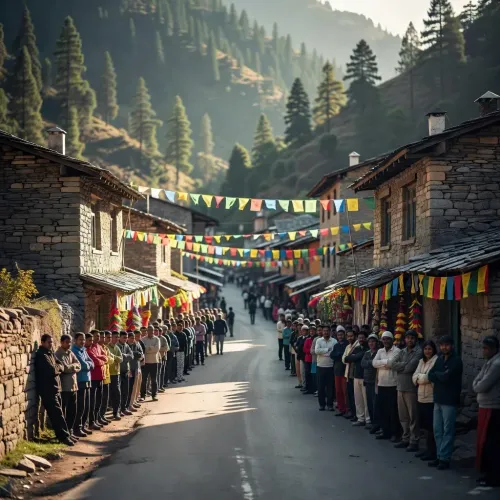
Peepalkoti, a small town in the rugged Garhwal range of Chamoli district, sits along the route to the Badrinath shrine — a geography that makes mass mobilisation logistically demanding and politically significant. When large numbers of women travel from scattered hill villages to a single gathering point, it signals organisational reach that party workers and administrators take note of.
Dhami explicitly tied the event to four pillars his administration has articulated for women: honour, security, self-reliance (swavalamban), and empowerment (sashaktikaran). The framing is deliberate — positioning welfare delivery not as charity but as a compact between the state and its women citizens.
Women's Outreach as Governance Signature in Uttarakhand
Since taking office in 2021, Dhami's government has consistently woven women's participation into its development narrative — from self-help group expansion in rural Uttarakhand to security-focused policies in hill districts where outmigration leaves many households headed by women. That demographic reality gives matrishakti rhetoric a concrete policy anchor: women in Uttarakhand's mountains are not merely beneficiaries; they are, in many villages, the primary economic and social managers.
The pattern is visible across BJP-governed Himalayan states — large women's gatherings are choreographed to demonstrate ground-level consent for governance priorities, feeding back into assembly-session messaging and budget priorities. The winter session of the Uttarakhand assembly is a natural next checkpoint: watch for district-level women empowerment programme updates that may follow the Chamoli outreach.
When a Chief Minister travels to Peepalkoti and returns with images of packed hillside audiences, the signal to the party and to voters in the valley is the same — the mountains are listening, and they are on board.
Point of View
Giving 'matrishakti' messaging a material, not merely symbolic, foundation. If the Chamoli rally feeds into concrete assembly-session commitments on self-help groups or women's security, it transitions from optics to policy signal. The winter session will be the real test of whether this gathering produces durable programme outcomes or remains a mobilisation moment.
NationPress
17 Nov 2026
Frequently Asked Questions
What happened at Peepalkoti in Chamoli on November 17 2026?
A large gathering of women — referred to as matrishakti — assembled at Peepalkoti in Chamoli district, which Uttarakhand CM Pushkar Singh Dhami described as a show of public support for the state's development and good governance agenda.
What is 'matrishakti' as used by CM Dhami?
'Matrishakti' is a Hindi term meaning 'the collective strength of women.' Dhami uses it to refer to the women of Uttarakhand as active partners in governance and development, not merely beneficiaries of welfare schemes.
What are CM Dhami's four commitments to women in Uttarakhand?
CM Dhami has articulated four pillars for his government's approach to women: honour, security, self-reliance ( swavalamban ), and empowerment ( sashaktikaran ).
Why is Chamoli district significant for women's issues in Uttarakhand?
Chamoli is a mountainous Garhwal district where high male outmigration means women often head households and manage rural economies, making women's welfare schemes particularly consequential there.
What should we watch for after the Peepalkoti women's rally?
The Uttarakhand assembly's winter session is the key next milestone — policy announcements on district-level women empowerment programmes and self-help group expansion may follow the Chamoli outreach event.