CM Bhajan Lal hails Rajasthan refinery as state's 'lifeline'

Synopsis
Rajasthan CM Bhajan Lal Sharma on 4 July 2026 hailed the Barmer refinery as the state's 'lifeline', crediting PM Modi's resolve for the milestone. The 9 MMTPA HPCL-led project at Pachpadra, Barmer — backed by a Rs 44,000 crore investment — is positioned as a turning point for Rajasthan's industrial future.
Key Takeaways
Rajasthan CM Bhajan Lal Sharma on 4 July 2026 called the Barmer refinery the state's 'lifeline' and a national industrial milestone.
The refinery is located at Pachpadra, Barmer district , and is being implemented by HPCL with a capacity of 9 MMTPA .
The project carries an estimated investment of Rs 44,000 crore and received Union Cabinet approval in 2013 .
PM Narendra Modi laid the foundation stone in Barmer in 2018 , marking central government commitment to the project.
The refinery is designed to process locally sourced crude from Barmer's oil fields , aiming to reduce regional industrial disparities.
Sharma's post was tagged #PMModi4ViksitRajasthan , reflecting BJP's messaging linking state projects to national leadership.
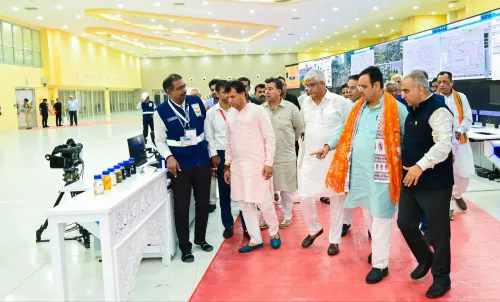
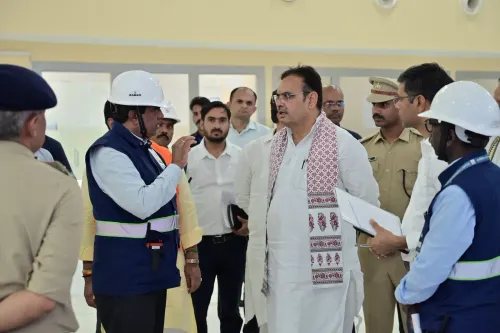
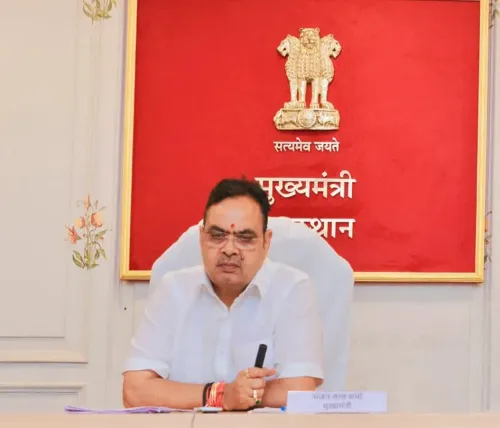
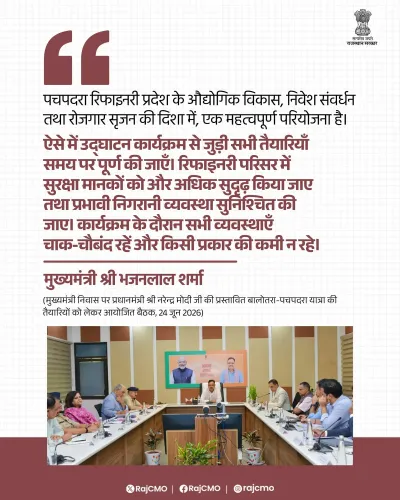
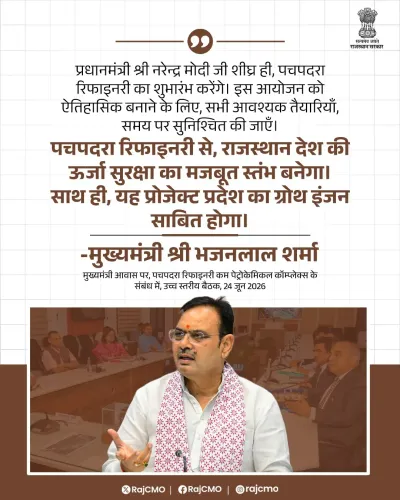
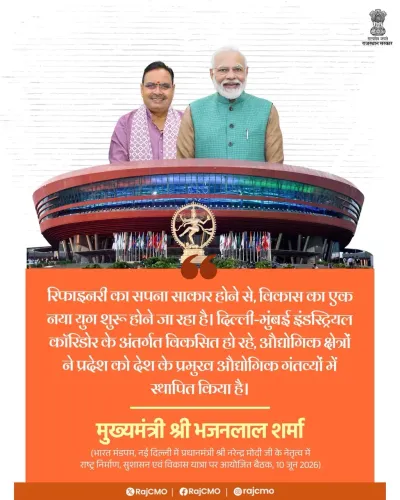
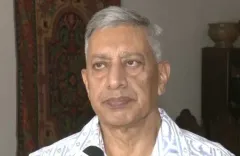
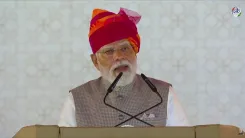
Rajasthan Chief Minister Bhajan Lal Sharma on Saturday, 4 July 2026, credited Prime Minister Narendra Modi's resolve for what he described as a historic milestone for the state's industrial future, declaring that the refinery built in Rajasthan is set to become the 'lifeline' of the state and a landmark for the entire nation's industrial development.
Posting in Hindi on X, Sharma wrote: 'Aadaraniya Pradhanmantri Shri @narendramodi ji ke dridh sankalp ka hi parinam hai ki aaj Rajasthan mein bani refinery Pradesh ki bhagyarekha banne ja rahi hai' — translating to: 'It is the result of the firm resolve of respected Prime Minister Shri Narendra Modi ji that today the refinery built in Rajasthan is going to become the lifeline of the state. This historic day will prove to be a milestone in the industrial development of Rajasthan and the entire country.'
Context
The refinery in question is the Barmer Refinery and Petrochemical Complex at Pachpadra in Barmer district, western Rajasthan — a project implemented through Hindustan Petroleum Corporation Limited (HPCL) as the lead public sector undertaking. The project, designed with a capacity of 9 million metric tonnes per annum (MMTPA), is intended to process locally sourced crude oil from Barmer's oil fields, which were discovered in the 2000s and hold significant hydrocarbon reserves.
The Union Cabinet first approved the refinery as a joint venture in 2013, and Prime Minister Modi laid its foundation stone in Barmer in 2018, signalling firm central government commitment to the project's estimated investment of Rs 44,000 crore.
Policy Backdrop
The Barmer refinery represents a deliberate policy push to expand India's domestic refining and petrochemical capacity beyond its traditional coastal hubs. Siting a major refinery in landlocked western Rajasthan aligns with the central government's broader energy infrastructure strategy to leverage inland hydrocarbon resources and reduce regional industrial disparities.
For Rajasthan, which has historically been dependent on agriculture and mining, a large-scale petroleum refinery and petrochemical complex of this scale carries significant implications for downstream industrial growth, employment generation, and state revenue. Barmer and surrounding communities in western Rajasthan are among the primary anticipated beneficiaries.
Stakeholders and Impact
The project's key stakeholders include HPCL as the implementing agency, the Rajasthan state government as a joint venture partner, and the workforce and communities across Barmer district. The petroleum sector workforce, ancillary industries, and local contractors are expected to see direct economic activity as the complex moves towards operations.
Sharma's post, tagged #PMModi4ViksitRajasthan, reflects the BJP's consistent political messaging that links large state-level infrastructure projects directly to Prime Minister Modi's national vision — a pattern evident across multiple BJP-governed states in recent years. The framing positions the refinery as both an economic and a political landmark for the ruling dispensation in Jaipur and New Delhi.
What's Next
Attention will now focus on the commissioning timeline and commercial operations date for the Pachpadra complex, as well as any follow-up announcements regarding downstream petrochemical units, employment figures, and supply-chain linkages. The refinery's ability to process Barmer crude at scale will be a key measure of whether the project delivers on its long-promised industrial transformation for the region.
Point of View
Long in gestation since its 2013 Cabinet approval and 2018 foundation stone, represents one of the most consequential industrial bets in Rajasthan's post-independence economic history, and any credible commissioning signal would be a genuine policy win for both Jaipur and New Delhi. However, the refinery's chequered timeline — marked by funding delays and construction setbacks over more than a decade — means that the political significance of this moment will ultimately be judged against actual operational milestones. The broader pattern here is clear: as India races to expand domestic refining capacity, inland projects like Barmer are increasingly central to the government's energy self-reliance narrative.
NationPress
4 Jul 2026
Frequently Asked Questions
What is the Barmer refinery in Rajasthan?
The Barmer Refinery and Petrochemical Complex is a 9 MMTPA refinery being built at Pachpadra in Barmer district, Rajasthan, by HPCL as the lead public sector undertaking. It is designed to process locally sourced crude oil from Barmer's oil fields and was backed by a Rs 44,000 crore investment, with Union Cabinet approval granted in 2013.
What did Rajasthan CM Bhajan Lal Sharma say about the refinery?
On 4 July 2026, CM Bhajan Lal Sharma posted on X that the refinery built in Rajasthan is set to become the 'lifeline' of the state, calling it a historic milestone in Rajasthan's and India's industrial development, and crediting PM Narendra Modi's resolve for the achievement.
When did PM Modi lay the foundation stone of the Barmer refinery?
Prime Minister Narendra Modi laid the foundation stone of the Barmer refinery in Barmer, Rajasthan, in 2018, marking the central government's formal commitment to the project.
Which company is building the Rajasthan refinery?
Hindustan Petroleum Corporation Limited (HPCL), a central public sector undertaking, is the lead implementing agency for the Barmer refinery project, operating through a joint venture with the Rajasthan state government.
What is the significance of the Barmer refinery for Rajasthan?
The Barmer refinery is expected to be a major driver of industrial growth in western Rajasthan, generating employment, boosting state revenues, and enabling downstream petrochemical industries by processing crude oil extracted from Barmer's oil fields discovered in the 2000s.