CM Bhajan Lal Highlights Kalika Patrolling Unit for Women's Safety
Synopsis
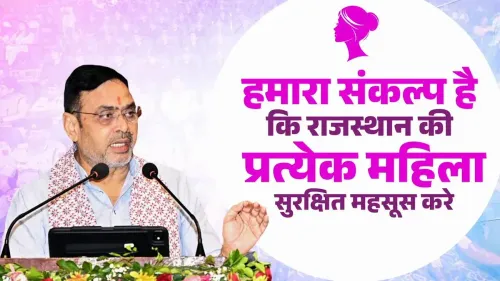
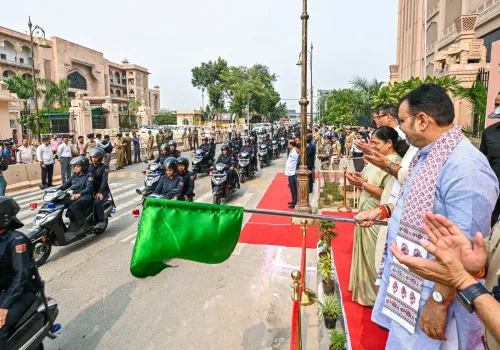
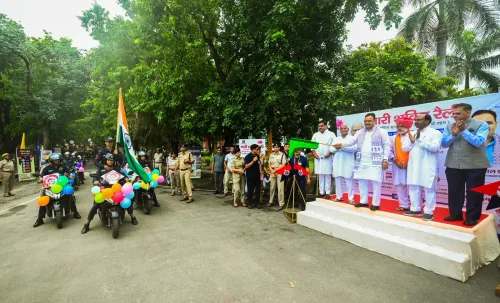
Rajasthan CM Bhajan Lal Sharma on 18 October 2026 highlighted the 'Kalika Patrolling Unit,' a dedicated police initiative to ensure women's safety on roads, markets, and public spaces, calling it firm proof of his government's gender-security commitment.
Key Takeaways
Kalika Patrolling Unit is a dedicated Rajasthan Police initiative focused exclusively on women's safety in public spaces.
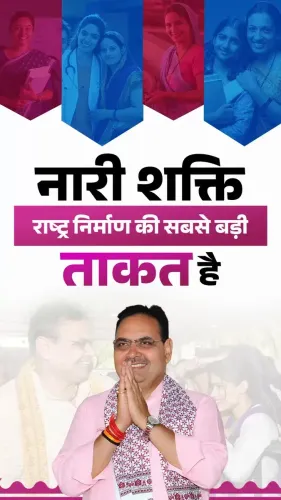
CM Bhajan Lal Sharma described it as 'strong proof' of the government's commitment to providing a fearless environment for every woman.
The unit covers roads, commercial markets, and public areas — spaces most commonly cited in harassment concerns.
Sharma has prioritised law and order, including gender safety, since taking office in December 2023 .
The unit's reach across Rajasthan's districts and its measurable impact on reported incidents remain to be assessed publicly.
Every road, market, and public square in Rajasthan carries an unspoken promise — that women can move through them without fear. Rajasthan Chief Minister Bhajan Lal Sharma reinforced that promise on Sunday, 18 October 2026, spotlighting the 'Kalika Patrolling Unit' as a cornerstone of his government's commitment to women's safety across the state.
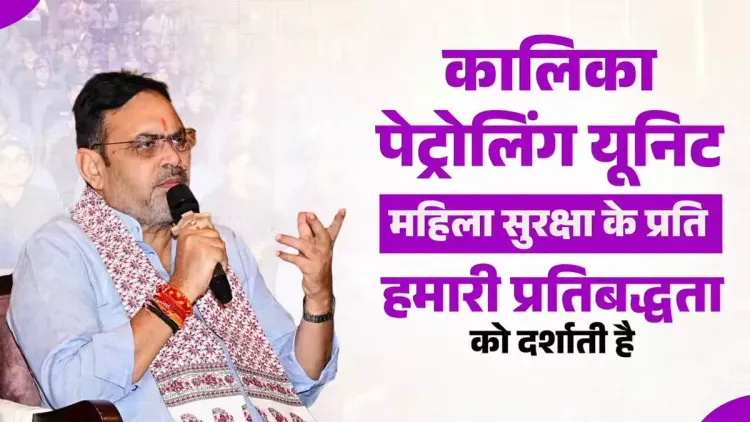
In his post, the Chief Minister described the unit as a 'strong proof of our firm commitment to women's security,' aimed at ensuring every daughter and sister in the state experiences complete protection and a fearless environment on roads, in markets, and at public places — 'हर बेटी और बहन को पूर्ण सुरक्षा व निर्भय वातावरण' ('complete safety and a fearless environment for every daughter and sister').
What the Kalika Patrolling Unit does
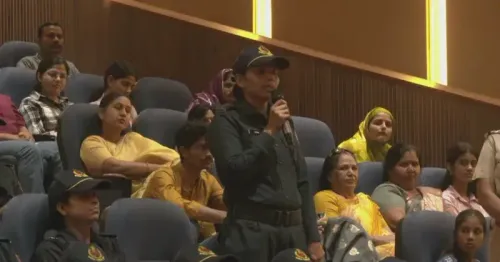
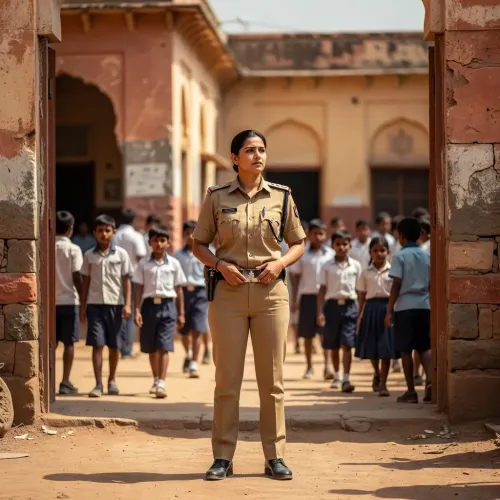
The Kalika Patrolling Unit is a dedicated police patrol initiative deployed specifically to improve the visible security presence for women in Rajasthan's public spaces. The unit's mandate covers streets, commercial markets, and common public areas — precisely the settings where women most frequently report discomfort or harassment. By placing a named, gender-safety-focused unit in these spaces, the Rajasthan government signals that such security is a structured, institutional priority rather than an ad hoc response.
Where this fits in Rajasthan's law-and-order push
Since Bhajan Lal Sharma assumed office in December 2023, the BJP administration in Rajasthan has consistently foregrounded law and order — and women's safety specifically — as a governance benchmark. Dedicated policing units of this kind echo a broader pattern seen across Indian states: creating visible, branded patrols that serve both an operational function and a public reassurance role. The Kalika unit's name itself — invoking the goddess Kalika — carries a deliberate cultural resonance, framing women's protection as a matter of both state duty and symbolic strength.
The question the ground will eventually answer is coverage: whether the unit's deployment reaches district towns and rural markets, not just urban centres, and whether incident data bears out the government's stated commitment. That audit will define whether the Kalika Patrolling Unit becomes a model — or a milestone waiting to be measured.
Point of View
The Sharma government attempts to convert policing into a political brand. The real test is institutional depth: whether the unit receives consistent funding, district-wide deployment, and transparent performance reporting, or remains a headline initiative. As state elections cycle and women voters emerge as a critical demographic, welfare-and-security optics are increasingly inseparable from electoral arithmetic.
NationPress
18 Oct 2026
Frequently Asked Questions
What is the Kalika Patrolling Unit in Rajasthan?
The Kalika Patrolling Unit is a dedicated Rajasthan Police initiative deployed to ensure the safety of women in public spaces, including roads, markets, and other common areas across the state.
Who launched the Kalika Patrolling Unit?
The unit operates under the Bhajan Lal Sharma -led BJP government in Rajasthan, which assumed office in December 2023, though specific launch details have not been officially confirmed in the public domain.
What does the Kalika Patrolling Unit do?
It maintains a visible police presence in public spaces to provide women with complete security and a fearless environment, focusing especially on streets, bazaars, and other areas where women frequently move.
Why is it called the Kalika Patrolling Unit?
The name 'Kalika' invokes the goddess Kalika, lending the unit a culturally resonant identity that frames women's protection as both a state duty and a symbol of strength.
How effective is the Kalika Patrolling Unit?
Verified performance data and incident-level assessments for the Kalika Patrolling Unit are not yet publicly available; coverage across all districts and official impact reviews remain areas to watch.