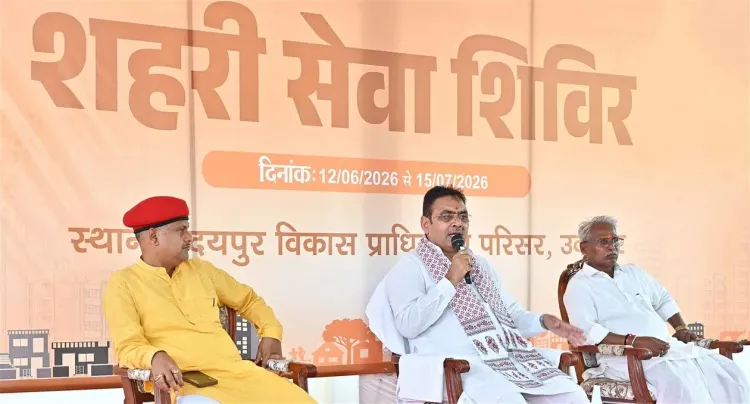
CM Bhajan Lal Inspects Urban Service Camp in Udaipur
Synopsis
Chief Minister Bhajan Lal Sharma inspected a Shahri Seva Shivir in Udaipur on June 17, 2026, interacting with beneficiaries and directing officials to resolve grievances swiftly. The Rajasthan government aims to deliver welfare scheme benefits to every last citizen through these urban service camps.
Key Takeaways
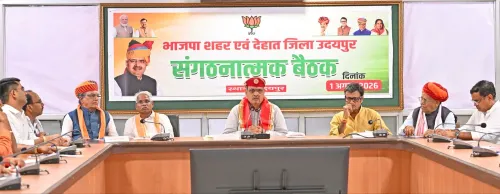
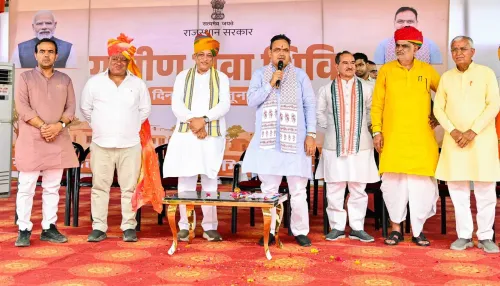
CM Bhajan Lal Sharma personally inspected the Shahri Seva Shivir (urban service camp) in Udaipur on June 17, 2026 .
The Chief Minister collected direct feedback from beneficiaries on welfare schemes and camp arrangements.
Officials were directed to ensure swift and sensitive resolution of public grievances.
The stated government goal is to reach 'the person at the last row' with welfare schemes and government services.
Citizens were urged to make maximum use of the camps and to bring needy individuals to them.
The Shahri Seva Shivir model is part of a broader post-2023 push for last-mile delivery of welfare benefits across Rajasthan.
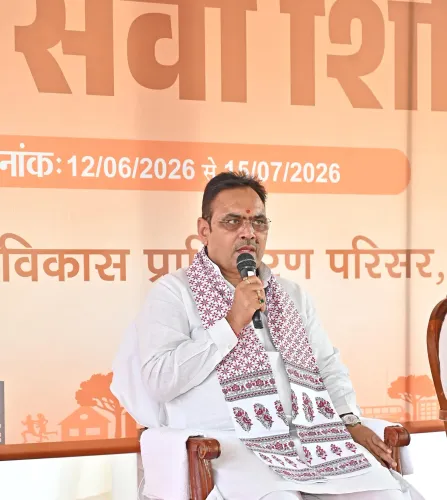
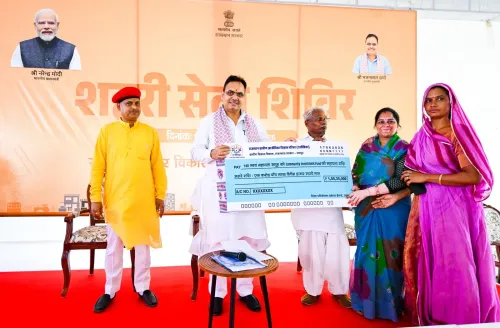
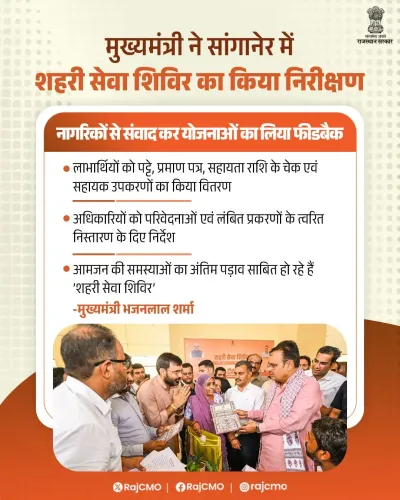
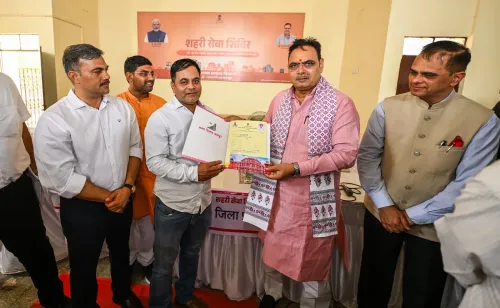
Chief Minister Bhajan Lal Sharma inspected an urban service camp (Shahri Seva Shivir) in Udaipur on Wednesday, June 17, 2026, reviewing arrangements, interacting with beneficiaries, and collecting feedback on welfare schemes and camp operations. The Chief Minister's Office of Rajasthan shared details of the visit on X, underscoring the state government's push for last-mile delivery of public services.
Context
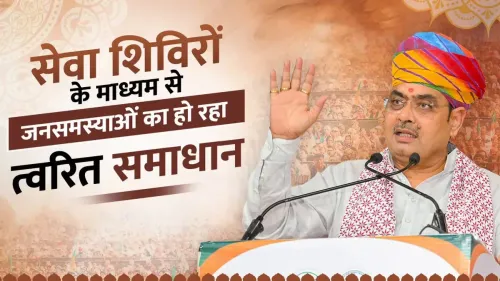
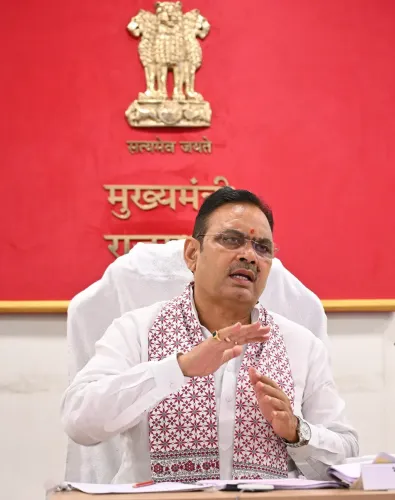
During the inspection, CM Bhajan Lal Sharma directed officials to ensure swift and sensitive resolution of public grievances. Translating his remarks from Hindi: 'राज्य सरकार का लक्ष्य अंतिम पंक्ति के व्यक्ति तक जनकल्याणकारी योजनाओं एवं सरकारी सेवाओं का लाभ पहुँचाना है' — 'The state government's goal is to deliver the benefits of welfare schemes and government services to the person at the last row.' He also urged citizens to make maximum use of the service camps and to bring needy individuals to the camps as well.
The Shahri Seva Shivir is an on-site outreach mechanism through which the Rajasthan government delivers scheme benefits, collects citizen feedback, and addresses grievances without requiring residents to visit multiple government offices.
Policy Backdrop
Following the 2023 Rajasthan assembly elections, the BJP government led by CM Bhajan Lal Sharma — who took office in December 2023 — announced intensified efforts for last-mile delivery of welfare schemes through periodic district-level camps. The approach is designed to reduce leakages in scheme implementation and bring government services directly to urban residents.
This model mirrors outreach frameworks adopted by several Indian states seeking to improve direct citizen engagement and scheme saturation. Udaipur, a major city in southern Rajasthan, is among the urban centres targeted under the camp initiative.
Stakeholders and Impact
Urban beneficiaries and common citizens are the primary stakeholders of the Shahri Seva Shivir programme. The camps serve as a single-window interface where residents can access multiple state and central welfare schemes, register grievances, and receive on-the-spot redressal.
Officials present at the camp were specifically instructed by the Chief Minister to prioritise sensitivity and speed in disposing of public complaints — a directive aimed at improving trust between citizens and the administration at the ground level.
What's Next
The Rajasthan government is expected to extend the Shahri Seva Shivir model to additional districts across the state. Any official data on grievance disposal rates or scheme saturation levels emerging from these camps will serve as key indicators of the programme's effectiveness.
The broader success of the initiative will likely depend on consistent follow-through on grievances registered at the camps and the administration's ability to reach citizens who remain outside the formal welfare net.
Point of View
Signalling the BJP government's continued emphasis on direct citizen outreach as a governance brand. The 'last row citizen' framing is a recurring political motif in BJP-ruled states, positioning welfare delivery as both administrative priority and electoral messaging. The Shahri Seva Shivir model, if backed by measurable grievance disposal data, could strengthen the government's accountability narrative heading into future electoral cycles. However, the programme's long-term credibility will rest on whether on-site grievance registrations translate into verifiable, time-bound resolutions.
NationPress
19 Sept 2026
Frequently Asked Questions
What is a Shahri Seva Shivir in Rajasthan?
A Shahri Seva Shivir is an urban service camp organised by the Rajasthan government to deliver welfare scheme benefits, collect citizen feedback, and resolve public grievances on-site, reducing the need for residents to visit multiple government offices.
Why did CM Bhajan Lal Sharma visit Udaipur on June 17, 2026?
CM Bhajan Lal Sharma visited Udaipur on June 17, 2026, to inspect a Shahri Seva Shivir, review camp arrangements, interact with beneficiaries, and direct officials to resolve grievances swiftly and sensitively.
What did CM Bhajan Lal Sharma say about welfare scheme delivery?
CM Bhajan Lal Sharma stated that the Rajasthan government's goal is to deliver the benefits of welfare schemes and government services to the person at the very last row, emphasising inclusive outreach.
Which districts have Shahri Seva Shivirs in Rajasthan?
The Rajasthan government has been organising Shahri Seva Shivirs across districts, with Udaipur being among the cities where such camps have been held; expansion to additional districts is expected.
Who benefits from the Rajasthan urban service camps?
Urban residents and common citizens are the primary beneficiaries, particularly those seeking access to state and central welfare schemes or wishing to register grievances with the government.