CM Bhajan Lal Reviews Seva Shivir in Udaipur, Distributes Benefits
Synopsis
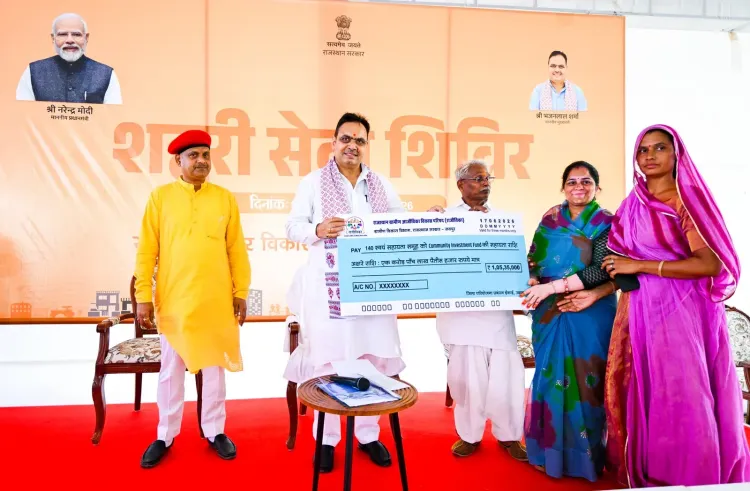
Rajasthan Chief Minister Bhajan Lal Sharma visited a Seva Shivir camp in Udaipur on June 17, 2026, interacting with citizens and distributing sanction letters and cheques to welfare scheme beneficiaries as part of the state's statewide grievance redressal and scheme saturation drive.
Key Takeaways
CM Bhajan Lal Sharma personally reviewed a Seva Shivir camp in Udaipur on June 17, 2026 .
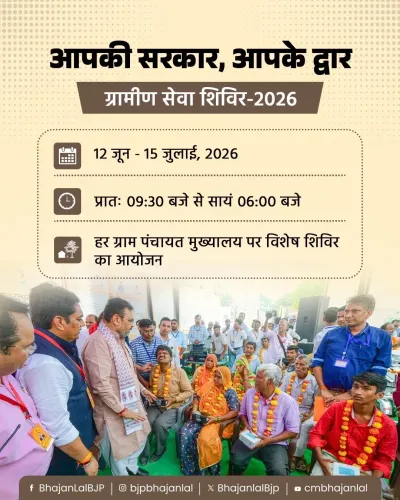
The camp is part of a statewide series of rural and urban service camps launched by the Rajasthan government in 2024 for time-bound grievance redressal.
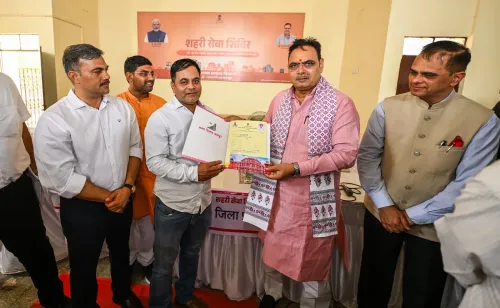
Eligible beneficiaries received sanction letters and cheques under various public welfare schemes during the event.
The CM engaged directly with citizens to understand their expectations, suggestions, and experiences.
The shivir model aims to bridge implementation gaps in centrally sponsored and state schemes at the district level.
The series is expected to expand to remaining districts across Rajasthan.
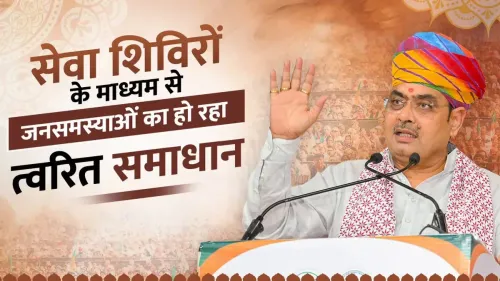
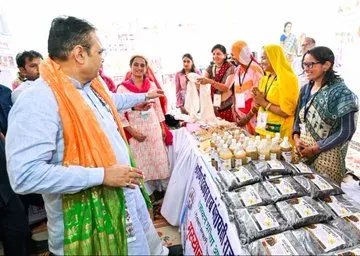
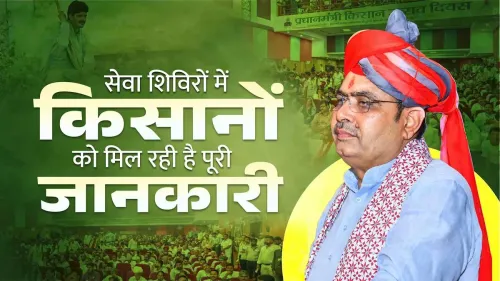
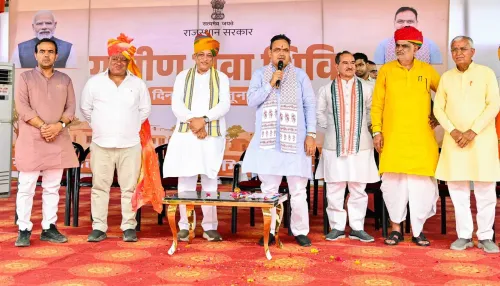
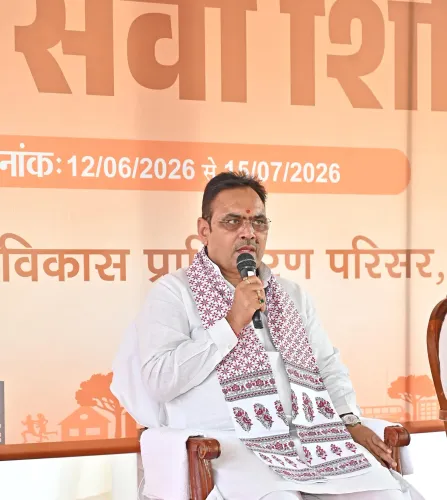
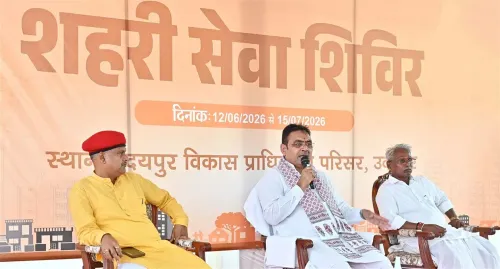
Rajasthan Chief Minister Bhajan Lal Sharma visited a Seva Shivir camp in Udaipur on Wednesday, June 17, 2026, as part of the state government's ongoing statewide series of rural and urban service camps aimed at the swift, time-bound, and effective resolution of citizens' grievances. During the visit, he interacted directly with residents, gathered their expectations, suggestions, and experiences, and distributed sanction letters and cheques to eligible beneficiaries under various public welfare schemes.
Context
Posting on X, CM Sharma described the visit in Hindi, saying the camp gave him an opportunity 'नागरिकों की अपेक्षाओं, सुझावों और अनुभवों को जानने का' — 'to understand the expectations, suggestions, and experiences of citizens.' He added that sanction letters and cheques were distributed to eligible beneficiaries under various public welfare schemes during the event. The CM underscored his administration's commitment to good governance, stating: 'When a family's face lights up with a smile because of the government's initiative, that is the greatest success of our efforts.'
Policy Backdrop
The Rajasthan government launched its multi-departmental Seva Shivir series in 2024, following the 2023 assembly elections, with the explicit mandate of time-bound grievance redressal and scheme saturation at the district level. The camps are designed to bridge implementation gaps in both centrally sponsored and state welfare schemes by bringing government services directly to citizens rather than requiring them to navigate departmental offices. Udaipur, a major city in southern Rajasthan, hosted this edition of the camp as part of the programme's statewide rollout.
Stakeholders and Impact
The primary beneficiaries are rural and urban residents across Rajasthan who may otherwise face delays in accessing pensions, housing assistance, subsidies, and other entitlements under state and central schemes. On-the-spot distribution of sanction letters and cheques at such camps is intended to eliminate bureaucratic lag between scheme approval and actual benefit delivery. State governments across India, particularly those led by the BJP, have increasingly institutionalised this model of bundled grievance hearings and benefit disbursal to demonstrate administrative responsiveness.
What's Next
The Udaipur camp is one node in a broader statewide chain of shivirs, and attention will now turn to how quickly the series expands to remaining districts across Rajasthan. Analysts and civil society groups are likely to track disposal rates — the share of grievances resolved within the promised timeframe — as a measure of whether the camps translate into durable administrative change. CM Sharma reaffirmed his administration's resolve, stating it remains 'निरंतर प्रतिबद्ध' — 'continuously committed' — to accelerating public interest, good governance, and public service.
Point of View
On-ground delivery over administrative routine — a pattern that has become a template for BJP state governments seeking to demonstrate responsiveness ahead of electoral cycles. The on-the-spot distribution of cheques and sanction letters is designed to compress the gap between policy announcement and citizen benefit, directly countering the perception of bureaucratic inertia. Whether the shivir model produces lasting administrative reform will depend on disposal-rate data and follow-through on pending cases once the political spotlight moves on. The statewide rollout also positions the CM as an accessible administrator, reinforcing a governance narrative the party has invested in since the 2023 assembly victory.
NationPress
22 Sept 2026
Frequently Asked Questions
What is a Seva Shivir in Rajasthan?
A Seva Shivir is a government-organised multi-departmental camp in Rajasthan where citizens can register grievances and receive on-the-spot sanction of welfare benefits such as pensions, housing assistance, and subsidies. The Rajasthan government launched the statewide series in 2024 to improve administrative responsiveness at the district level.
Why did CM Bhajan Lal Sharma visit Udaipur on June 17, 2026?
CM Bhajan Lal Sharma visited Udaipur on June 17, 2026, to review a Seva Shivir camp held there as part of the state's ongoing rural and urban service camp series, interact with citizens, and oversee the distribution of welfare scheme benefits to eligible beneficiaries.
What benefits were distributed at the Udaipur Seva Shivir?
Sanction letters and cheques were distributed to eligible beneficiaries under various public welfare schemes during the Udaipur Seva Shivir. The specific schemes and exact beneficiary numbers for this camp have not been officially confirmed.
How many Seva Shivir camps has Rajasthan held?
The Rajasthan government launched the Seva Shivir series in 2024 and has been conducting camps across the state in both rural and urban areas. The Udaipur camp is part of this continuing statewide chain, with the programme expected to expand to remaining districts.
What is the purpose of the Rajasthan grievance redressal camps?
The camps aim to provide swift, time-bound, and effective resolution of citizens' grievances while ensuring eligible residents receive welfare scheme benefits without having to navigate multiple government offices. They are designed to close implementation gaps in both state and centrally sponsored schemes.