CM Bhajan Lal highlights Modi's clean energy shield at RE Summit
Synopsis
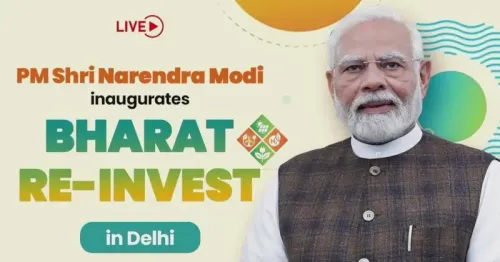
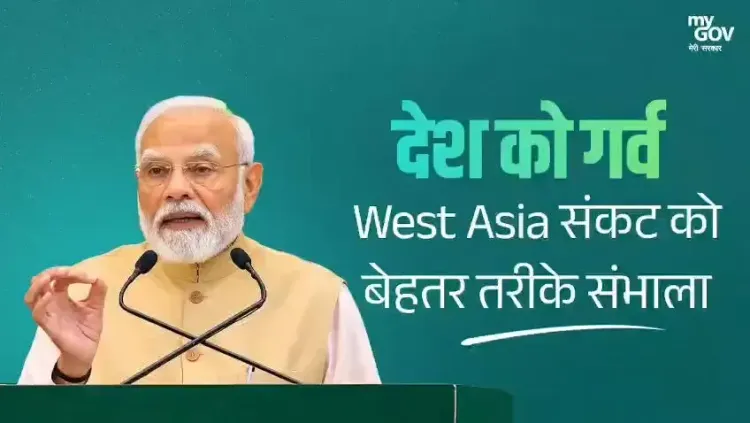
At Bharat RE Summit 2026, Rajasthan CM Bhajan Lal Sharma quoted PM Modi arguing that India's decade of clean energy investment has shielded the country's growth from the COVID-19 pandemic and the ongoing West Asia energy crisis.
Key Takeaways
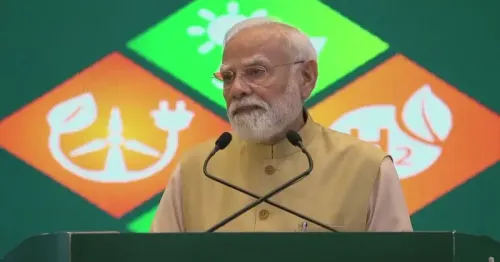
Rajasthan CM Bhajan Lal Sharma quoted PM Narendra Modi at Bharat RE Summit 2026 on November 2, 2026 .
PM Modi credited India's clean energy investments over the past decade for keeping growth rates elevated despite global crises.
He cited both the COVID-19 pandemic and the ongoing West Asia conflict as major shocks India navigated more effectively than comparable economies.
India's renewable energy policy milestones include the International Solar Alliance (2015) and a 500 GW non-fossil fuel target pledged at COP26 in 2021 .
Rajasthan , as a solar-rich state, stands to gain significantly from continued national renewable energy momentum.
India's decade-long bet on clean energy didn't just benefit the planet — it may have saved the economy. Quoting Prime Minister Narendra Modi at the Bharat RE Summit 2026 on Monday, November 2, Rajasthan Chief Minister Bhajan Lal Sharma amplified a pointed argument: that India's renewable energy investments now serve as a structural buffer against the kind of global shocks that have rattled less-prepared economies.
Modi's argument: clean energy as crisis insurance
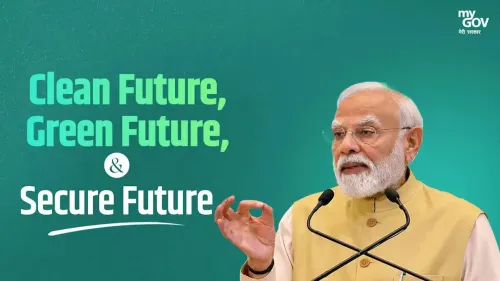
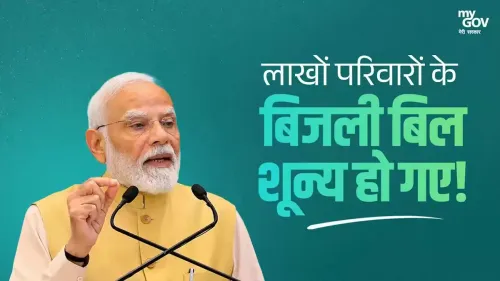
The quote shared by CM Sharma draws a direct line between foresight and resilience. 'अगर भारत ने क्लीन एनर्जी में निवेश नहीं किया होता' ('If India had not invested in clean energy'), PM Modi argued, the country's crisis exposure during both the COVID-19 pandemic and the ongoing West Asia conflict — which has rattled global energy supply chains — would have been 'far more severe than the rest of the world.' The growth rate, he stressed, has held up precisely because of those choices made over the past decade.
The framing is deliberately macroeconomic. It positions clean energy not as an environmental luxury but as hard-nosed economic statecraft — a hedge against import dependence on fossil fuels that leaves oil-importing nations exposed every time a conflict ignites in an energy-rich region.
A decade of architecture: from ISA to 500 GW
The policy lineage behind that argument is substantial. The International Solar Alliance, co-founded by India in 2015, signalled early intent to build a global solar coalition. At COP26 in Glasgow in 2021, India committed to a 500 GW non-fossil fuel capacity target and a net-zero emissions pledge by 2070 — commitments that shifted domestic investment planning toward renewables at scale.
Together, these frameworks have progressively reduced the share of expensive fossil fuel imports in India's energy mix. When the West Asia crisis began straining global oil markets, India's growing renewable base meant the demand-shock translation into domestic inflation and growth slowdown was partially cushioned — at least compared to economies that had done less.
Bharat RE Summit 2026: Rajasthan's stake in the story
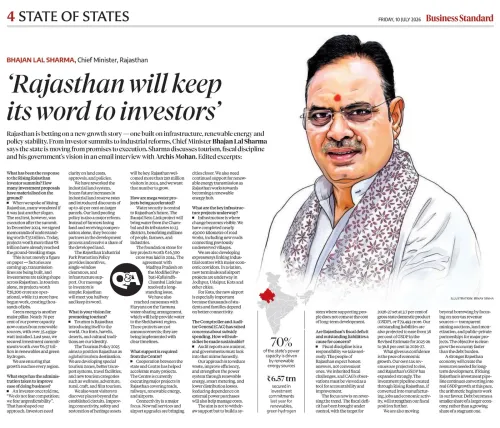
CM Bhajan Lal Sharma's decision to amplify this message at the Bharat RE Summit 2026 is not incidental. Rajasthan is one of India's most solar-abundant states, with vast stretches of the Thar Desert already hosting utility-scale solar farms. A national narrative that rewards renewable investment directly elevates the state's strategic value in India's energy future — and signals that Jaipur is watching the summit's policy announcements closely for state-level opportunities.
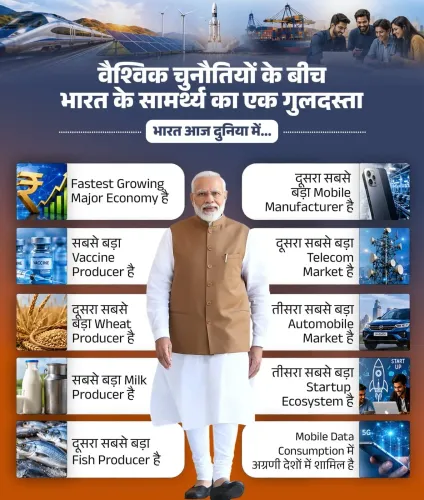
For 140 crore Indians, as PM Modi put it, the pride point is that India navigated the pandemic and geopolitical energy turbulence while keeping growth on track. The clean energy infrastructure built quietly over a decade is now being credited — loudly — as a reason why.
The real test arrives in whatever project commitments and policy frameworks emerge from the Bharat RE Summit itself. Speeches set the narrative; gigawatts and grid connections write the verdict.
Point of View
The BJP government attempts to neutralise the 'growth vs green' debate domestically. For Rajasthan, CM Sharma's amplification of this message is also a state-level political play: positioning the solar-rich desert state as central to India's energy security story. The broader arc is one of India increasingly using multilateral energy forums to project strategic confidence, with clean energy as both shield and soft-power asset.
NationPress
2 Nov 2026
Frequently Asked Questions
What did PM Modi say at Bharat RE Summit 2026?
PM Modi argued that India's clean energy investments over the past decade shielded the country from the worst economic impacts of the COVID-19 pandemic and the West Asia crisis, helping maintain a high growth rate.
What is the Bharat RE Summit 2026?
Bharat RE Summit 2026 is a renewable energy summit in India focused on clean energy policy, investment, and India's transition away from fossil fuels.
Why did CM Bhajan Lal Sharma post about the RE Summit?
As Rajasthan Chief Minister, Bhajan Lal Sharma shared PM Modi's remarks to highlight the importance of clean energy — a sector in which solar-abundant Rajasthan plays a major national role.
What are India's renewable energy targets?
India has pledged to achieve 500 GW of non-fossil fuel power capacity and reach net-zero emissions by 2070, commitments made at COP26 in Glasgow in 2021.
How has the West Asia crisis affected India's energy sector?
The West Asia conflict has disrupted global oil supply chains and raised energy prices worldwide. India's growing renewable energy base has partially cushioned the domestic economy from these shocks by reducing fossil fuel import dependence.