CM Bhajan Lal Shares Amit Shah's Remark on Infiltrators and Votes
Synopsis
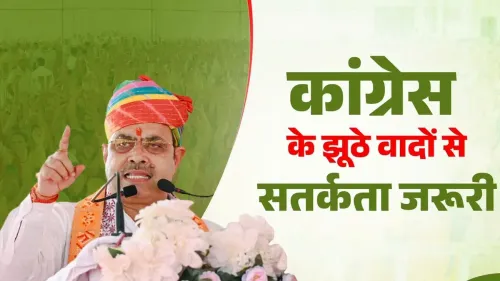
Rajasthan CM Bhajan Lal Sharma amplified Union Home Minister Amit Shah's claim that the opposition — under the banner of fighting 'vote theft' — is actually shielding undocumented infiltrators enrolled as voters, a charge central to BJP's election-integrity narrative.
Key Takeaways
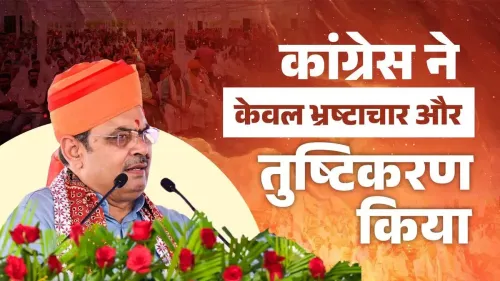
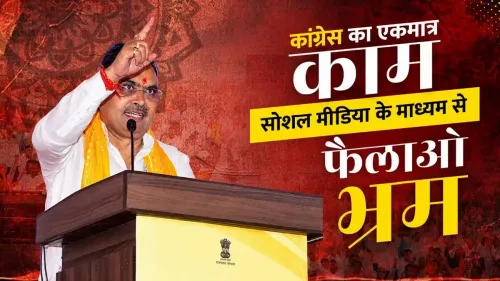
Rajasthan Chief Minister Bhajan Lal Sharma shared a statement by Union Home Minister Amit Shah on 22 October 2026 .
Shah's quoted remark accuses the opposition of using 'vote theft' rhetoric as cover to protect votes cast by illegal infiltrators.
The BJP has consistently linked opposition resistance to voter-roll audits with attempts to retain undocumented migrant votes, especially in Assam , West Bengal , and border states.
The Citizenship Amendment Act of 2019 forms part of the policy backdrop to this ongoing electoral-integrity debate.
Rajasthan's long border with Pakistan makes immigration-linked political messaging especially salient for the state's BJP government.
No specific triggering event or legislation is identified in the post; the statement is part of a sustained, recurring BJP messaging pattern.
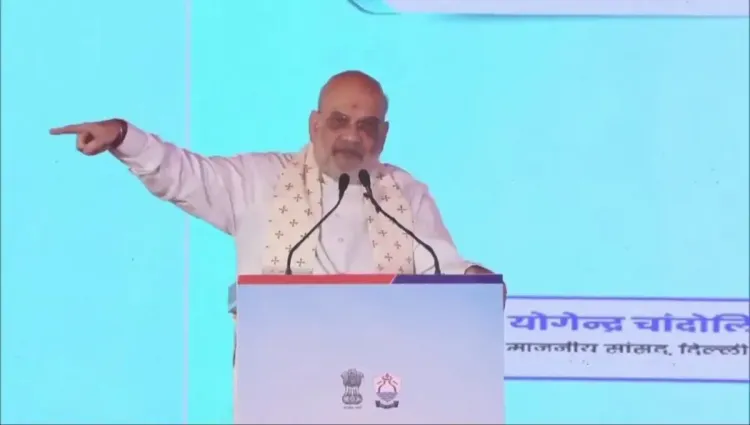
A sharp political charge landed on Thursday, 22 October 2026, when Rajasthan Chief Minister Bhajan Lal Sharma amplified a statement by Union Home and Cooperation Minister Amit Shah — one that cuts straight to the BJP's core election-integrity narrative: the opposition, the claim goes, is not defending voters, it is shielding infiltrators.
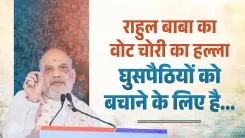
The quote Sharma shared reads: 'Desh ki janta samajh chuki hai ki vipaksh vote chori ke naam par ghuspaidhiyon ka vote bachana chahta hai.' — 'The people of this country have understood that the opposition, in the name of vote theft, wants to protect the votes of infiltrators.' The statement does not name a specific opposition party or a specific incident, but the framing is unmistakable.
A Familiar Accusation, a Sharpened Edge
The BJP has deployed this argument consistently across states where cross-border migration is a live political issue — Assam, West Bengal, and border constituencies in Rajasthan itself. The party's central thesis: when opposition leaders cry foul over voter-list 'deletions' or tightened citizenship verification, they are, wittingly or not, going to bat for undocumented migrants who have fraudulently enrolled as voters.
Shah, as Home Minister, has been the primary architect of this linkage — weaving together the Citizenship Amendment Act of 2019, demands for National Register of Citizens processes in various states, and periodic drives to audit electoral rolls. His words carry institutional weight that a party spokesperson's would not.
Why the Opposition Reads It Differently
Opposition parties have consistently rejected the 'infiltrator vote' framing, arguing instead that mass deletions from voter rolls disenfranchise legitimate citizens — particularly minorities, migrants, and the rural poor who may lack documentation. The argument that scrutiny equals protection of illegal voters, critics contend, creates a political cover for systematically removing genuine names. The debate, in short, is less about infiltrators than about who bears the burden of proof.
Neither the original post nor available research confirms a specific triggering event — a court ruling, a state-level deletion drive, or an opposition protest — that prompted Shah's remark on this particular day. What is clear is that Sharma chose to amplify it, signalling Rajasthan's alignment with the Centre's messaging.
Rajasthan's Stake in the Narrative
Rajasthan shares a long international border with Pakistan, making immigration and border-security rhetoric especially resonant with local voters. For a BJP government that came to power in the state on a strong law-and-order and national-security pitch, echoing Shah's voter-integrity line is as much a domestic signal as it is a national one. Sharma's repost keeps the issue front-and-centre in his state even between election cycles.
The debate over electoral rolls, infiltration, and citizenship is heading toward legislative and judicial arenas — with proposed changes to voter-registration verification procedures still a live watch item in Parliament. That fight is far from settled.
Point of View
CM Sharma signals that Rajasthan's BJP government is fully aligned with the Centre's election-integrity messaging heading into the next electoral cycle. The opposition's counter-argument — that tightened verification disenfranchises legitimate citizens — remains structurally weaker in the court of public opinion in border states, where security anxieties run high. The real battleground is the yet-to-be-resolved legislative question of how voter-roll audits are conducted and by whom.
NationPress
22 Oct 2026
Frequently Asked Questions
What did Amit Shah say about the opposition and infiltrators?
Amit Shah stated that the people of India have understood that the opposition, under the pretext of opposing 'vote theft', actually wants to protect the votes of illegal infiltrators who have been enrolled on voter lists.
Why did Rajasthan CM Bhajan Lal Sharma share Amit Shah's statement?
Sharma shared the statement on 22 October 2026 to amplify the BJP's national narrative on electoral integrity, a message particularly resonant in Rajasthan given its long border with Pakistan.
What is the BJP's broader argument about voter rolls and infiltrators?
The BJP argues that opposition resistance to voter-list audits and citizenship verification is an attempt to retain illegal immigrants as a vote bank, a narrative deployed repeatedly in Assam, West Bengal, and border constituencies.
What does the opposition say about voter-list deletions?
Opposition parties contend that aggressive voter-roll scrutiny results in the disenfranchisement of legitimate citizens — particularly minorities, migrants, and the rural poor — not the removal of illegal voters.
Is there a law connecting citizenship and voter registration in India?
The Citizenship Amendment Act of 2019 addressed citizenship for non-Muslim migrants from neighbouring countries; separately, the Election Commission periodically audits voter rolls, but no unified national citizenship-voter verification law has been enacted as of the latest available information.