Amit Shah sets May 2029 deadline to clean Yamuna
Synopsis
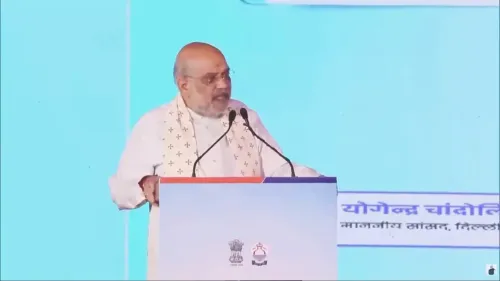
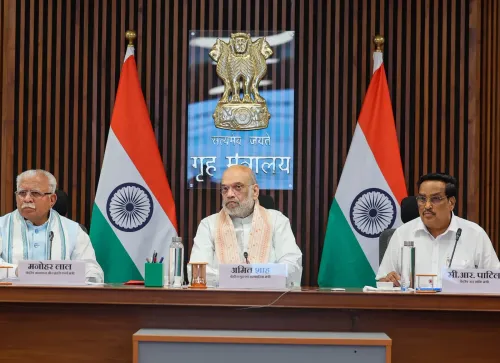
Union Home Minister Amit Shah announced on 22 October 2026 that the Centre, Delhi, Haryana and UP will jointly clean the Yamuna before May 2029, setting a hard inter-governmental deadline for one of India's most intractable river-pollution challenges.
Key Takeaways
Union Home Minister Amit Shah publicly committed to cleaning the Yamuna before May 2029 .
The pledge involves four governments : the Centre, Delhi , Haryana , and Uttar Pradesh , acting in coordination.
Shah framed the effort as part of Prime Minister Narendra Modi 's leadership on river rejuvenation.
The Namami Gange programme (launched 2014 ) provides the existing policy and funding framework for Yamuna cleanup.
All three state governments concerned are currently BJP-aligned, offering rare inter-governmental alignment for the project.
Key execution milestones will include new sewage treatment plants and real-time water quality monitoring across the NCR river corridor.
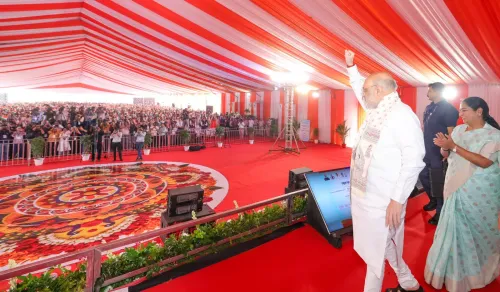
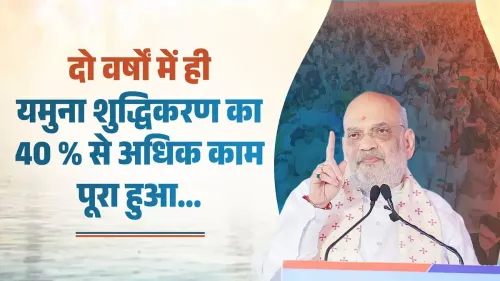
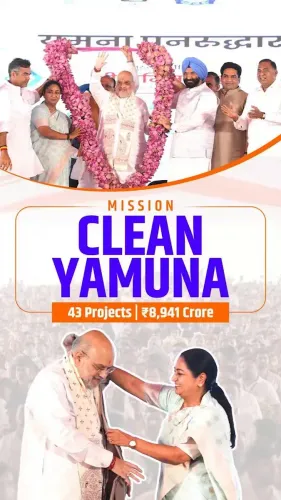
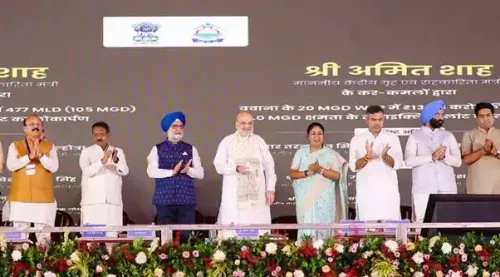
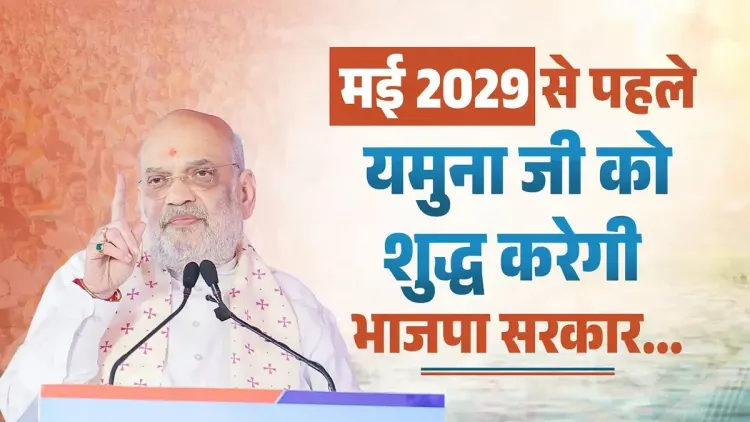
A four-government pledge and a hard deadline — that is how Union Home Minister Amit Shah framed India's next big push on the Yamuna on Thursday, 22 October 2026. Shah announced that the central government, alongside the governments of Delhi, Haryana, and Uttar Pradesh, will together deliver a clean Yamuna before May 2029.
Posting in Hindi, Shah wrote: 'Modi ji ke netritva mein kendra, Delhi, Haryana tatha Uttar Pradesh ki sarkaren milkar May 2029 se pehle Yamuna ji ko nirmal banaengi.' — 'Under the leadership of Modi ji, the central, Delhi, Haryana and Uttar Pradesh governments will together make the Yamuna clean before May 2029.'Why the Yamuna has defied every deadline so far
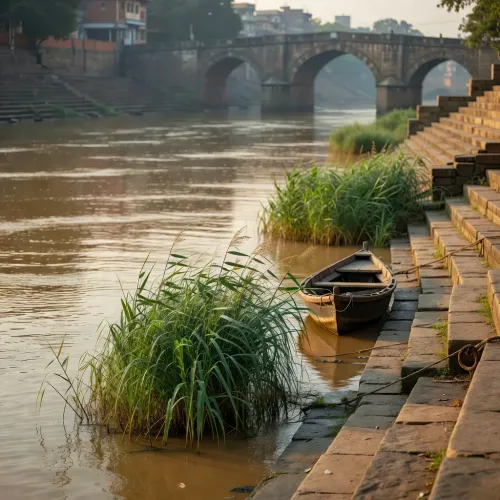
The Yamuna is no ordinary clean-up challenge. The river crosses three state boundaries — Haryana controls the upstream flow, Delhi contributes the largest sewage load as the capital's drainage pours into the river, and Uttar Pradesh inherits the downstream burden. Each government has historically pointed upstream. That blame arithmetic is precisely why multi-state coordination has been the missing piece in decades of cleanup attempts.
The Namami Gange programme, launched in 2014 under Prime Minister Narendra Modi, pioneered a model of central-state co-funding and sewage infrastructure investment for the Ganga and its tributaries, including the Yamuna. It set a template: bring the states to the same table, fund sewage treatment plants centrally, and hold river-basin health as a shared metric. Shah's announcement signals an intensification of that approach, now with a named, time-bound target.
The 2029 target and what reaching it demands
Experts and officials watching the NCR river corridor have long identified the same bottlenecks: inadequate sewage treatment capacity in Delhi, untreated agricultural and industrial run-off from Haryana's upstream districts, and insufficient interceptor infrastructure at state junctions. Any credible path to a clean Yamuna by May 2029 — roughly 30 months from now — would require simultaneous commissioning of new sewage treatment plants, real-time water-quality monitoring stations across the basin, and strict enforcement of effluent norms across all three states.
The political alignment that Shah highlights is itself significant. Delhi, Haryana, and Uttar Pradesh are all currently governed by the BJP or its allies, giving the Centre an unusual window of inter-governmental convergence that previous administrations — often facing opposition-led state governments — did not enjoy. Shah appears to be signalling that this alignment will be used to drive the project forward.
What Delhi residents and riparian farmers stand to gain
For the millions who live alongside or draw livelihoods from the Yamuna — Delhi's urban residents who see the river as a toxic drain through their city, and farmers in Haryana and UP who irrigate from its banks — a genuinely cleaner river would be transformative. Reduced heavy-metal contamination in groundwater, restored aquatic ecosystems, and a river that can again support religious and cultural use: these are the stakes behind every deadline that has been announced, and missed, before.
The May 2029 marker now sits on the record — named, stated publicly, and linked to four governments. Whether the sewage treatment infrastructure follows the rhetoric will define whether this promise lands differently from its predecessors.
Point of View
Haryana and UP simultaneously, the Centre has a rare window to enforce the inter-state coordination that Yamuna cleanup has always demanded but rarely achieved. Framing the deadline as Modi's mandate also shifts accountability upward, raising the political cost of failure ahead of the 2029 election cycle. The move fits a broader BJP pattern of converting long-standing infrastructure promises into time-bound, named targets — a strategy that builds voter expectation but also creates measurable benchmarks that opposition parties will track closely. Whether institutional capacity — sewage treatment plants, monitoring networks, enforcement machinery — can match the political momentum in 30 months is the central question this pledge opens.
NationPress
22 Oct 2026
Frequently Asked Questions
What is the deadline Amit Shah set for cleaning the Yamuna?
Amit Shah stated that the Yamuna will be cleaned before May 2029 , with the Centre, Delhi, Haryana and Uttar Pradesh working together to achieve this target.
Which governments are involved in the Yamuna cleanup plan?
Four governments are involved: the Central government under PM Modi, and the state governments of Delhi , Haryana , and Uttar Pradesh .
What is the Namami Gange programme and how does it relate to the Yamuna?
Namami Gange is a central government mission launched in 2014 to clean the Ganga and its tributaries, including the Yamuna, through co-funded sewage infrastructure and central-state coordination.
Why has the Yamuna been so difficult to clean?
The Yamuna flows through three states — Haryana , Delhi and Uttar Pradesh — meaning pollution sources and responsibilities are split across governments, making coordinated action historically difficult to sustain.
What infrastructure is needed to actually clean the Yamuna by 2029?
Experts point to new sewage treatment plants in Delhi and along the NCR corridor, real-time water-quality monitoring, and strict enforcement of industrial and agricultural effluent norms across all three states as the critical requirements.