CM Rekha Gupta sets 2029 deadline for clean Yamuna
Synopsis
Delhi Chief Minister Rekha Gupta set a firm 2029 deadline to clean the Yamuna river, invoking BJP's Viksit Delhi vision. The announcement renews decades-old pledges backed by the Yamuna Action Plan and Namami Gange programme, with sewage infrastructure and regulatory oversight at the centre.
Key Takeaways
Delhi CM Rekha Gupta publicly committed to a 2029 deadline for delivering a clean Yamuna river.
The Yamuna Action Plan , launched in 1993 , was India's first formal initiative to reduce pollution in the river — now in its fourth decade without full resolution.
The Namami Gange programme (approved 2014 ) covers the Yamuna as a key tributary, combining federal spending with regulatory oversight.
The core challenge is sewage infrastructure: Delhi's treatment capacity falls short of the wastewater it generates, with untreated effluent reaching the river at multiple drain points.
The National Green Tribunal and Delhi Pollution Control Committee maintain active legal oversight, making compliance gaps immediately actionable.
The pledge was framed under #ViksitDelhi , connecting river clean-up to the BJP's broader 'Viksit Bharat' development narrative.
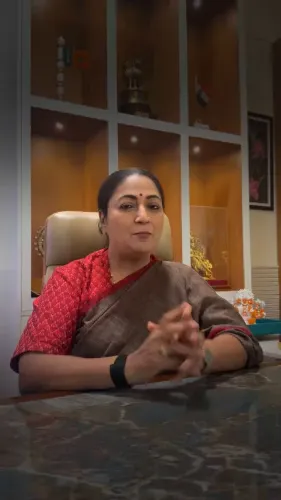
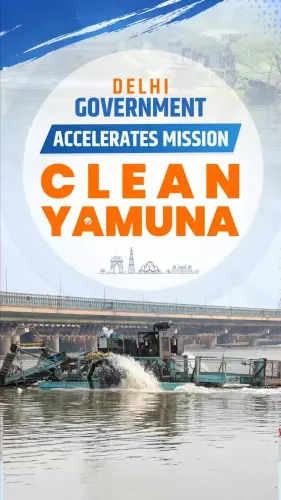
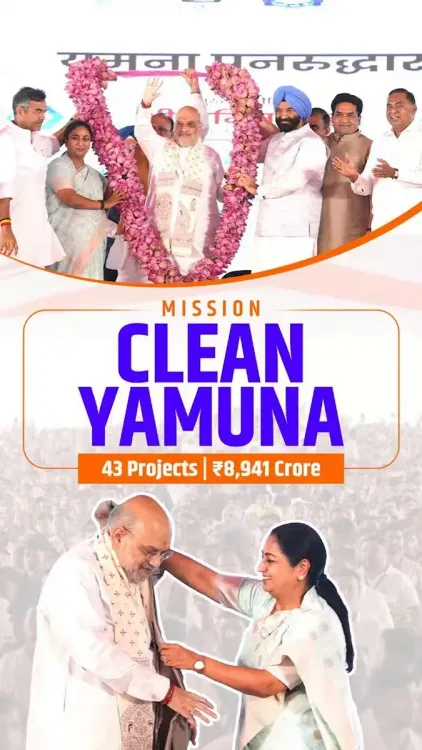
A three-digit number — 2029 — landed on Delhi's political calendar on Thursday, 22 October 2026, when Delhi Chief Minister Rekha Gupta pinned a hard deadline to one of the capital's oldest unresolved promises: a clean Yamuna. 'We promised Delhi a clean Yamuna, and we will deliver,' she wrote, in a post that is short on words and long on consequence.
A river that has heard this before
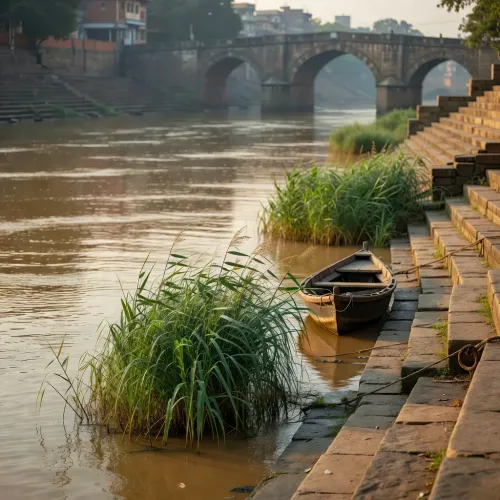
The Yamuna has not lacked for pledges. The Yamuna Action Plan, launched in 1993, was India's first structured push to cut pollution in the river. More than three decades and multiple government cycles later, the river still carries a heavy load of untreated sewage as it threads through the national capital. The Namami Gange programme, approved in 2014, extended national attention to Ganga tributaries — the Yamuna among them — combining infrastructure spending with stricter regulatory oversight. Yet successive audit cycles have documented the gap between announced targets and measured outcomes on the ground.
What the 2029 clock actually requires
The river's condition in Delhi is, at its core, a sewage problem. The capital generates more wastewater than its treatment plants can process, and untreated effluent drains directly into the Yamuna at multiple points. Closing that gap by 2029 would require accelerated construction of sewage treatment capacity, interception of drains along the riverbank, and consistent monitoring — work that spans multiple urban local bodies and draws on both state and central budgets. The Delhi Pollution Control Committee and the National Green Tribunal have both maintained active oversight of Yamuna-related compliance, making any future shortfall immediately visible and legally consequential.
Why the hashtag matters as much as the deadline
Chief Minister Gupta anchored the post to #ViksitDelhi — 'developed Delhi' — framing the Yamuna pledge not as an environmental footnote but as a cornerstone of the city's broader development identity. That framing ties river rejuvenation directly to the BJP's national 'Viksit Bharat' vocabulary, elevating a municipal infrastructure challenge into a political proof point. With less than three years on the clock, the pressure to show visible, measurable progress — not just announced plans — will be high.
Point of View
Close enough to feel urgent, and tied to a development brand — Viksit Delhi — that gives the pledge ideological weight beyond routine administration. The Yamuna has absorbed similar promises since 1993, and the river's condition remains the single most visible test of Delhi governance credibility. By making the deadline public and tying it to a hashtag, Gupta has handed both voters and courts a benchmark; the National Green Tribunal's track record of suo motu action means non-delivery carries real legal — not just electoral — risk. The next pressure point will be budget allocations and a detailed action plan, without which the deadline is rhetoric waiting to be challenged.
NationPress
22 Oct 2026
Frequently Asked Questions
What is Rekha Gupta's 2029 Yamuna clean-up deadline?
Delhi Chief Minister Rekha Gupta announced on 22 October 2026 that the government would deliver a clean Yamuna river by 2029 , framing it as a core promise under her #ViksitDelhi agenda.
Has the Yamuna been cleaned before under previous plans?
Yes. The Yamuna Action Plan was launched in 1993 and the Namami Gange programme was approved in 2014 , both targeting Yamuna pollution — but independent assessments have consistently found the river still heavily polluted by untreated sewage.
What is the main cause of Yamuna pollution in Delhi?
The primary cause is untreated sewage. Delhi generates more wastewater than its treatment infrastructure can handle, and the surplus drains directly into the Yamuna at multiple points along the riverbank.
Which bodies oversee Yamuna clean-up compliance in Delhi?
The Delhi Pollution Control Committee monitors river pollution levels, and the National Green Tribunal exercises active judicial oversight, with the power to take suo motu cognisance of clean-up failures.
What is the Namami Gange programme?
The Namami Gange programme , approved in 2014 , is a central government mission to rejuvenate the Ganga and its tributaries — including the Yamuna — through sewage treatment infrastructure, riverfront development, and regulatory enforcement.