CM Rekha Gupta Boosts Mission Clean Yamuna With Rs 1,000 Cr Projects
Synopsis
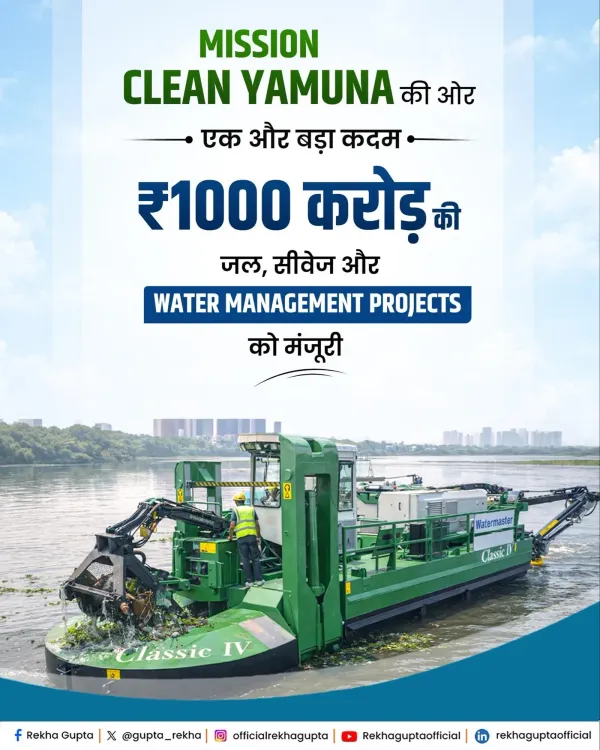
Delhi Chief Minister Rekha Gupta on 25 May 2026 announced new water and sewage projects worth over ₹1,000 crore to accelerate Mission Clean Yamuna, citing war-footing efforts backed by the Central government as a key step toward a cleaner river and developed Delhi.
Key Takeaways
Delhi CM Rekha Gupta announced over ₹1,000 crore in new water and sewage projects on 25 May 2026 .
The projects are being implemented under Mission Clean Yamuna , the BJP-led Delhi government's river-cleaning initiative.
The campaign is described as running at 'war footing' with active support from the Central government .
The announcement aligns with the Namami Gange programme framework for Yamuna rejuvenation active since 2014 .
Progress will be independently tracked through Central Pollution Control Board water-quality reports.
The initiative is framed under the broader #ViksitDelhi and Viksit Bharat development vision.
Delhi Chief Minister Rekha Gupta on Monday, 25 May 2026, announced that Mission Clean Yamuna has received fresh momentum through new water and sewage projects worth over ₹1,000 crore, reaffirming her government's pledge to restore the river. The announcement, made via a post on X, underscores the BJP-led Delhi government's commitment to clean the Yamuna River in coordination with the Central government.
Context
In her post, CM Gupta wrote: 'दिल्ली से हमने वादा किया है कि यमुना को स्वच्छ और निर्मल बनाएंगे' ('We have made a promise to Delhi that we will make the Yamuna clean and pure'). She added that work is ongoing at every level, and the new projects worth over ₹1,000 crore in water and sewage infrastructure have given Mission Clean Yamuna added impetus. The campaign, she said, is being run 'at war footing' with support from the Central government.
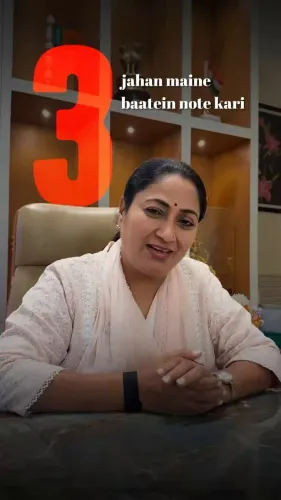
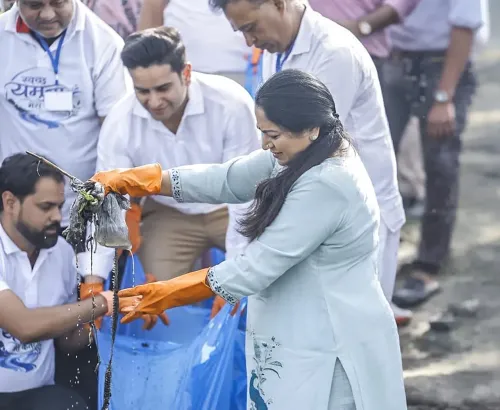
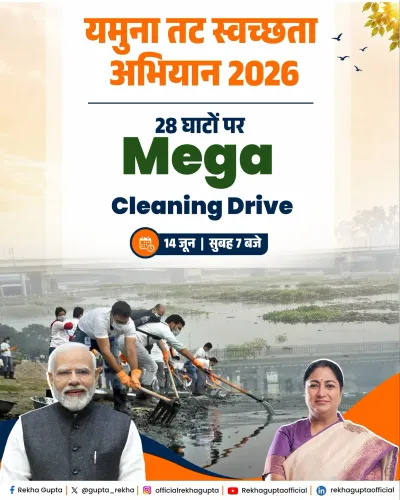
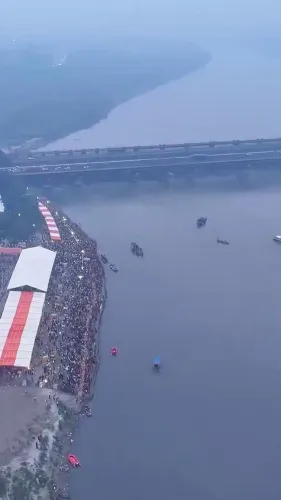
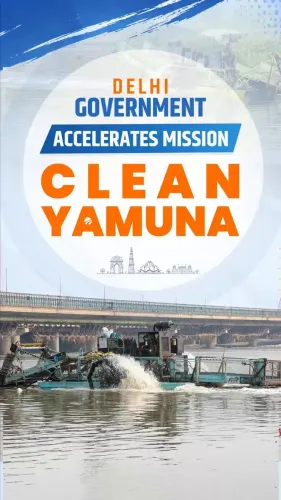
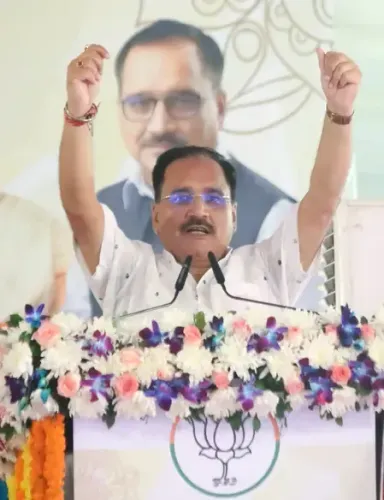
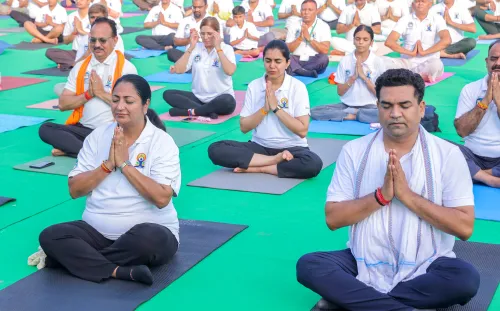
The post was accompanied by four images and carried the hashtags #CleanYamuna and #ViksitDelhi, signalling alignment with the broader Viksit Bharat development narrative championed by the ruling party at the national level.
Policy Backdrop
The Yamuna River, which flows through the heart of Delhi, has been at the centre of river-cleaning efforts for decades. The Central government's Namami Gange programme, launched in 2014, extended its mandate to major tributaries including the Yamuna, providing a framework for central-state coordination on sewage treatment and riverfront development.
Successive administrations in Delhi have announced projects targeting the river's pollution load — primarily from untreated sewage outfalls — with varying degrees of implementation. The current announcement of ₹1,000 crore+ in new water and sewage projects represents a continuation of this long-standing policy priority, now framed under the Mission Clean Yamuna banner by the Rekha Gupta government.
Stakeholders and Impact
Delhi's approximately 2 crore residents stand as the primary beneficiaries of any meaningful improvement in the city's water infrastructure and river quality. Communities along the Yamuna riverbank, many of whom depend on the river for daily needs, are among the most directly affected stakeholders.
Improved sewage treatment capacity would reduce the volume of untreated effluent entering the river, a key metric tracked by the Central Pollution Control Board. The involvement of the Central government in funding and oversight is also significant, as it ties the project's accountability to both state and national-level governance structures.
What's Next
Attention will now turn to the tendering, timelines, and on-ground rollout of the announced ₹1,000 crore+ water and sewage projects. Periodic water-quality assessments by the Central Pollution Control Board will serve as independent benchmarks for measuring progress under Mission Clean Yamuna.
If the current pace of central-state coordination is sustained, the campaign could mark a meaningful step toward the long-elusive goal of a cleaner Yamuna — one that has defined political promises in Delhi for generations.
Point of View
000 crore+ in Yamuna-linked infrastructure is as much a political statement as a policy one — Yamuna cleaning has been a contested electoral promise in Delhi for over two decades, and the BJP is now staking its governance credibility on delivering it. By explicitly invoking Central government cooperation, Gupta is threading her state-level initiative into the national Namami Gange and Viksit Bharat frameworks, broadening both the resource base and the accountability chain. The 'war footing' framing signals urgency and intent, but the real test will be construction timelines and measurable improvements in river water quality. This move fits a broader BJP pattern of using river rejuvenation as a flagship urban-governance narrative ahead of civic and state electoral cycles.
NationPress
16 Sept 2026
Frequently Asked Questions
What is Mission Clean Yamuna in Delhi?
Mission Clean Yamuna is the Rekha Gupta-led BJP government's initiative to clean and restore the Yamuna River in Delhi through investments in sewage treatment and water infrastructure, with support from the Central government .
How much money has been announced for Yamuna cleaning in Delhi in 2026?
Delhi CM Rekha Gupta announced new water and sewage projects worth over ₹1,000 crore on 25 May 2026 to accelerate Mission Clean Yamuna .
What is the Namami Gange programme and how does it relate to the Yamuna?
Namami Gange is a Central government programme launched in 2014 for the rejuvenation of the Ganga river basin, which includes major tributaries like the Yamuna , and provides a framework for central-state coordination on sewage and riverfront projects.
Is the Central government involved in cleaning the Yamuna in Delhi?
Yes. CM Rekha Gupta stated that Mission Clean Yamuna is being run with active support from the Central government , linking it to broader national river-conservation efforts.
How will progress on Yamuna cleaning be measured?
Progress is expected to be tracked through periodic water-quality assessments by the Central Pollution Control Board , which monitors pollution levels in the Yamuna and other major rivers.