CM Rekha Gupta joins Yamuna ghat mega cleanliness drive
Synopsis
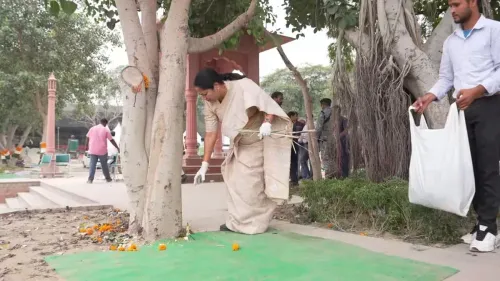
Delhi Chief Minister Rekha Gupta participated in a Mega Cleanliness Drive at Geeta Colony Ghat on June 14, 2026, as volunteers and over 500 institutions cleaned 28 Yamuna ghats under the #SwachhYamunaMeraKartavya campaign, renewing a collective pledge for riverfront upkeep.
Key Takeaways
Delhi CM Rekha Gupta personally participated in the Mega Cleanliness Drive at Geeta Colony Ghat on June 14, 2026 .
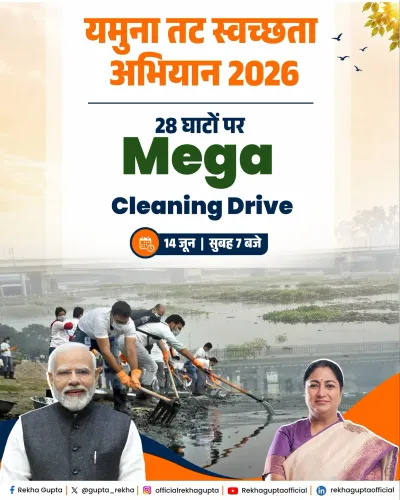
The drive covered all 28 Yamuna ghats in Delhi simultaneously.
More than 500 institutions and NGOs , alongside youth, sanitation workers, and volunteers, took part, according to Gupta's post.
The campaign was conducted under the hashtag #SwachhYamunaMeraKartavya , emphasising civic duty toward the Yamuna .
The effort aligns with the national Swachh Bharat Mission framework and the long-running Yamuna Action Plan .
Gupta called for the campaign to continue as a sustained, public-participation-driven movement.
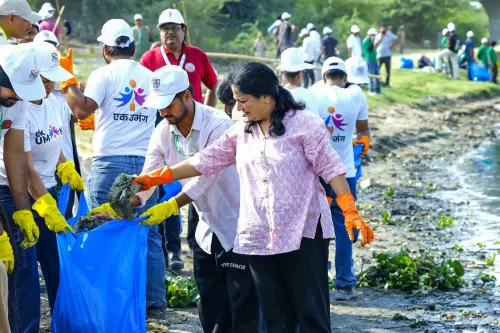
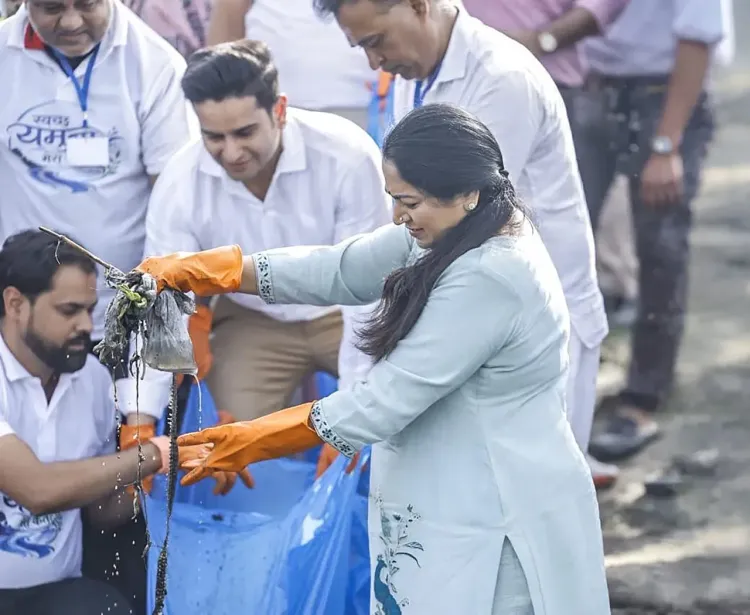
Delhi Chief Minister Rekha Gupta on Sunday, June 14, 2026, participated in a Mega Cleanliness Drive at Geeta Colony Ghat along the Yamuna, joining thousands of volunteers, sanitation workers, and representatives from over 500 institutions and NGOs who fanned out across 28 Yamuna ghats in the national capital for a coordinated clean-up effort.
Posting on X under the hashtag #SwachhYamunaMeraKartavya ('Swachh Yamuna is my duty'), Gupta wrote that 'Delhi gave a beautiful message this Sunday morning,' expressing gratitude to all youth, sanitation workers, volunteers, and social organisations who stepped forward for the cleanliness of the city's 28 Yamuna ghats. She added that thousands collectively renewed the pledge that 'the Yamuna and its clean ghats are our shared responsibility.'
Context
The Yamuna has long been one of India's most polluted urban rivers, burdened by decades of untreated sewage discharge, industrial effluents, and solid waste dumping along its banks as it passes through Delhi. Community-level ghat cleaning drives have become a recurring feature of state-led environmental outreach, particularly ahead of the monsoon season when visible pollution at riverfront access points intensifies.
The event at Geeta Colony Ghat — one of several public riverfront points in east Delhi — served as the Chief Minister's focal participation site, with simultaneous drives reported across the other ghats in the city.
Policy Backdrop
The drive aligns with the Swachh Bharat Mission, the national cleanliness programme launched in 2014 that institutionalised public participation — or jan bhagidari — for waste management and riverfront upkeep. The mission's framework has been applied repeatedly to the Yamuna, complementing the older Yamuna Action Plan initiated in the 1990s, which focused on sewage treatment infrastructure and ghat maintenance across Delhi.
State-level campaigns of this kind typically mobilise civil society networks and resident welfare associations alongside government machinery, reflecting a model where visible citizen engagement supplements longer-term infrastructure investment.
Stakeholders and Impact
Delhi's sanitation workers and environmental NGOs formed the operational backbone of Sunday's drive, with the Chief Minister's participation lending political visibility to the effort. Residents living near the ghats and those who use them for religious and recreational purposes stand to benefit directly from reduced waste accumulation.
The involvement of more than 500 institutions and NGOs, as stated in Gupta's post, signals a broad coalition approach to riverfront management — one that goes beyond government departments to draw in civil society, student groups, and community organisations.
What's Next
Chief Minister Gupta called on citizens to continue advancing the campaign through janbhagidari (public participation), suggesting the drive is intended as a sustained effort rather than a one-off event. Observers will watch for follow-up rounds of coordinated ghat cleaning and any announcements from the Delhi government on sewage infrastructure upgrades tied to the Yamuna — the longer-term investment without which surface-level cleaning drives can only deliver temporary improvements.
Point of View
The campaign borrows the language of grassroots mobilisation while projecting state leadership. The recurring pattern of such drives, timed around the monsoon season, underscores a tension between high-visibility clean-up events and the slower, less telegenic work of sewage infrastructure reform that experts say is the only durable solution for the Yamuna. How the Gupta government translates this momentum into concrete policy commitments on sewage treatment will define whether the campaign marks a turning point or remains part of a familiar seasonal cycle.
NationPress
16 Sept 2026
Frequently Asked Questions
What is the SwachhYamunaMeraKartavya campaign?
#SwachhYamunaMeraKartavya ('Swachh Yamuna is my duty') is a cleanliness campaign initiated to mobilise citizens, NGOs, and government agencies to clean and maintain the Yamuna river ghats in Delhi through regular community-driven drives.
Which ghat did CM Rekha Gupta visit during the cleanliness drive?
Delhi Chief Minister Rekha Gupta participated in the Mega Cleanliness Drive at Geeta Colony Ghat , one of the riverfront access points along the Yamuna in east Delhi.
How many Yamuna ghats were covered in the June 2026 cleanliness drive?
The drive covered all 28 Yamuna ghats in Delhi , with volunteers, sanitation workers, and representatives from over 500 institutions and NGOs participating across the sites.
What is the Yamuna Action Plan?
The Yamuna Action Plan is a government initiative launched in the 1990s with multiple subsequent phases, aimed at reducing pollution in the Yamuna through sewage treatment upgrades and ghat maintenance in Delhi and other riverine cities.
Why are Yamuna ghat cleaning drives held before the monsoon?
Cleanliness drives at Yamuna ghats are often organised ahead of the monsoon season because rainfall can intensify visible pollution and waste accumulation at riverfront sites, making pre-monsoon clean-ups a recurring feature of Delhi's environmental calendar.