Delhi CM Rekha Gupta Calls City to Yamuna Ghat Mega Clean-Up
Synopsis
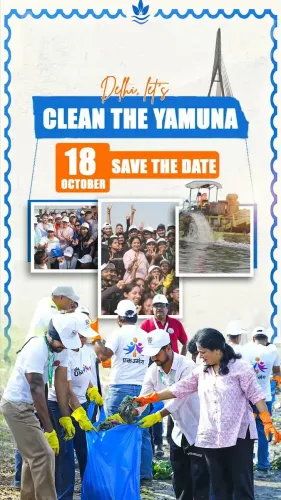
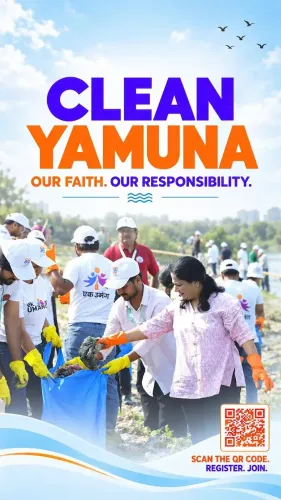
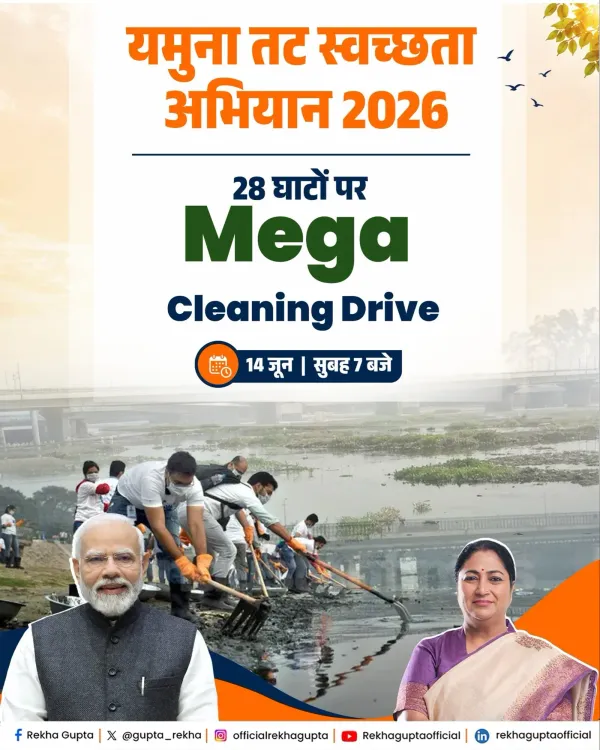
Delhi Chief Minister Rekha Gupta on 13 June 2026 called residents, students, and volunteers to join a mega clean-up at 28 Yamuna ghats on 14 June under the Yamuna Ghat Swachhata Abhiyan 2026, with over 500 organisations participating under the hashtag #SwachhYamunaMeraKartavya.
Key Takeaways
Delhi Chief Minister Rekha Gupta announced the Yamuna Ghat Swachhata Abhiyan 2026 via X on 13 June 2026 .
The mega clean-up was scheduled for 14 June 2026 across 28 Yamuna ghats in Delhi.
Participants included citizens, students, volunteers, elected representatives, government officials, and more than 500 organisations .
The campaign was anchored to the hashtag #SwachhYamunaMeraKartavya — 'A Clean Yamuna Is My Duty'.
The drive aligns with the national Swachh Bharat Mission and the long-running Yamuna Action Plan lineage dating to 1993 .
Post-campaign waste volumes and follow-up maintenance commitments will be key indicators of the drive's lasting impact.
Delhi Chief Minister Rekha Gupta on Saturday, 13 June 2026, called on residents across the capital to join a mass cleanliness drive at Yamuna ghats the following morning, declaring that no citizen would stand alone at the riverfront. The announcement, made via her official X account, mobilised participation across civic, educational, and governmental lines ahead of the Yamuna Ghat Swachhata Abhiyan 2026.
Context
Writing in Hindi, the Chief Minister posted: 'कल जब आप अपने नज़दीकी यमुना घाट पहुंचेंगे, तो आप अकेले नहीं होंगे। पूरी दिल्ली आपके साथ होगी.' — 'When you reach your nearest Yamuna ghat tomorrow, you will not be alone. All of Delhi will be with you.' The message was paired with the hashtag #SwachhYamunaMeraKartavya ('A Clean Yamuna Is My Duty'), framing civic participation as personal responsibility.
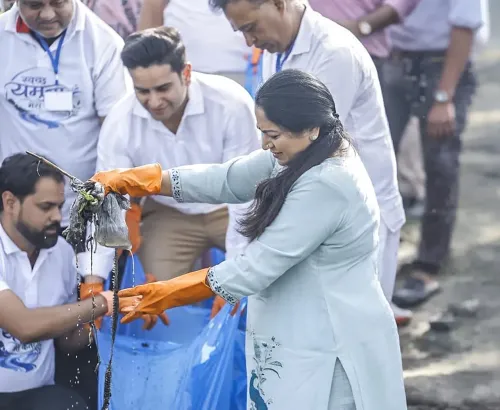
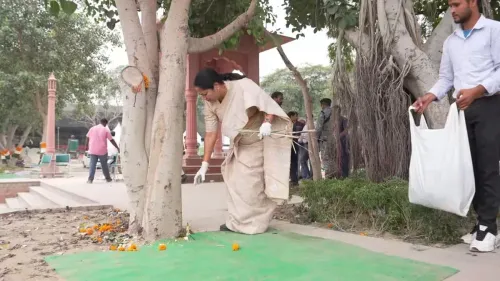
According to the post, on 14 June 2026, citizens, students, volunteers, elected representatives, government officials, and more than 500 organisations were set to participate simultaneously at 28 Yamuna ghats across Delhi in what was billed as a mega cleanliness campaign under the Yamuna Ghat Swachhata Abhiyan 2026.
Policy Backdrop
The Yamuna River, which runs through the heart of Delhi, has been at the centre of environmental and political debate for decades. The Yamuna Action Plan, first launched in 1993, sought to reduce pollution through sewage treatment infrastructure, yet the river's health has remained a persistent concern for successive administrations.
The Swachh Bharat Mission, rolled out nationally in 2014, later incorporated urban riverfront and ghat-cleaning components, lending institutional momentum to drives of this kind. The Yamuna Ghat Swachhata Abhiyan 2026 situates itself within this longer policy lineage, combining visible public mobilisation with the broader national cleanliness framework.
Stakeholders and Impact
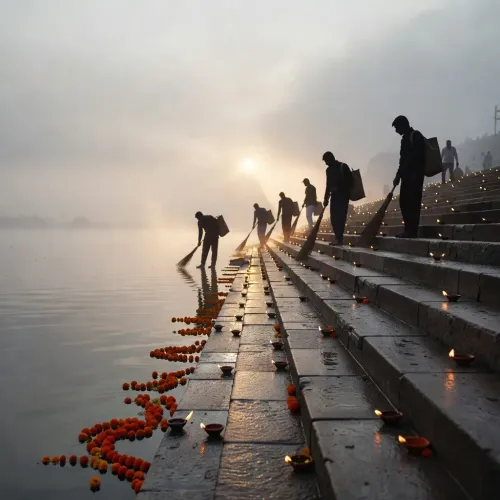
Delhi's Yamuna ghats are not merely access points to the river — they serve as sites for religious rituals, community gatherings, and daily life for lakhs of residents. Solid waste, industrial discharge, and untreated sewage have repeatedly degraded these spaces, making periodic clean-up drives both environmentally significant and symbolically important.
The drive's scale — spanning 28 ghats and drawing in students and civil society organisations alongside government machinery — reflects a model of citizen co-ownership. Civic bodies and resident welfare associations are among the stakeholders expected to coordinate logistics on the ground, while student volunteers add a generational dimension to the campaign.
What's Next
Attention will now turn to post-campaign reporting: volumes of waste collected, the condition of ghats after the drive, and whether the Delhi government announces follow-up maintenance schedules or infrastructure commitments to sustain the gains from a single-day mobilisation. Analysts have noted that large-scale awareness events along the Yamuna often serve both environmental and political signalling purposes in the National Capital Region, and the government's response in the days following 14 June will be closely watched by residents and environmental groups alike.
Point of View
Visible citizen mobilisation at the river's edge that simultaneously advances an environmental goal and a governance narrative. By framing participation as personal duty — mera kartavya — Chief Minister Rekha Gupta draws on the moral vocabulary of the Swachh Bharat Mission while projecting administrative reach across 28 ghats in a single day. The drive's real test, however, lies beyond the headline numbers: whether post-campaign infrastructure commitments follow or the ghats revert to their prior condition within weeks. Successive governments have cycled through similar events, making sustained maintenance schedules the metric that distinguishes durable policy from periodic optics.
NationPress
27 Oct 2026
Frequently Asked Questions
What is the Yamuna Ghat Swachhata Abhiyan 2026?
The Yamuna Ghat Swachhata Abhiyan 2026 is a large-scale cleanliness drive organised by the Delhi government on 14 June 2026, covering 28 Yamuna ghats across the capital with participation from citizens, students, volunteers, elected representatives, government officials, and over 500 organisations.
Who announced the Yamuna ghat clean-up drive in Delhi?
Delhi Chief Minister Rekha Gupta announced the drive on her official X account on 13 June 2026, urging residents to join the campaign at their nearest Yamuna ghat.
How many ghats are covered in Delhi's Yamuna clean-up on 14 June 2026?
According to Chief Minister Rekha Gupta's post, the campaign covers 28 Yamuna ghats across Delhi simultaneously.
What is the hashtag for Delhi's Yamuna cleanliness campaign?
The campaign uses the hashtag #SwachhYamunaMeraKartavya, which translates to 'A Clean Yamuna Is My Duty,' emphasising individual civic responsibility.
How does the Yamuna Ghat Swachhata Abhiyan relate to Swachh Bharat Mission?
The drive aligns with the national Swachh Bharat Mission launched in 2014, which incorporated urban riverfront and ghat-cleaning components, and also builds on the Yamuna Action Plan that has been in place since 1993.