CM Rekha Gupta to Lead Mega Yamuna Ghat Clean-Up on June 14
Synopsis
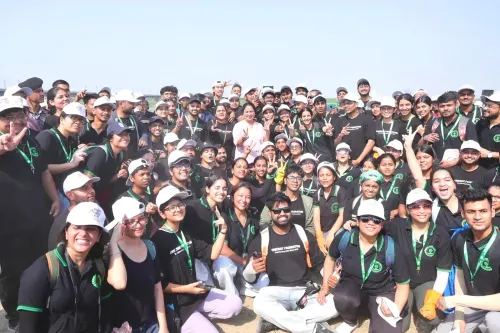
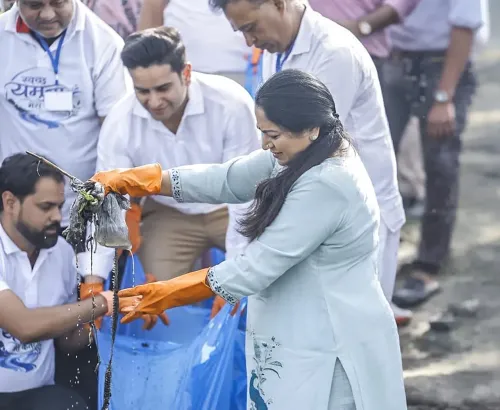
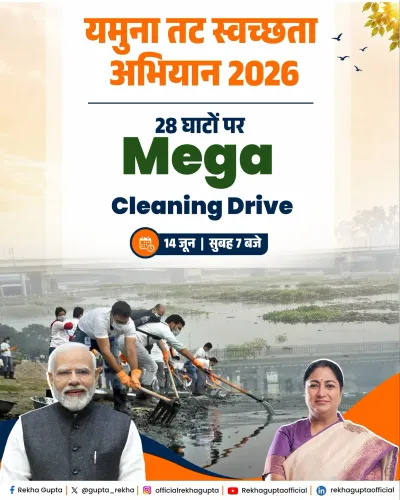
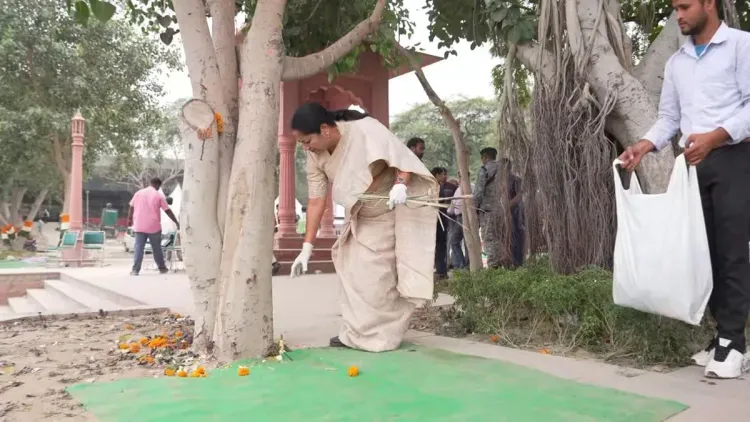
Delhi Chief Minister Rekha Gupta has announced a mega Yamuna ghat cleaning drive across 28 ghats on June 14, personally leading thousands of volunteers, citizens, and students in a simultaneous riverfront campaign under the hashtag #SwachhYamunaMeraKartavya.
Key Takeaways
Delhi CM Rekha Gupta will personally participate in the Mega Yamuna Ghat Safai Abhiyan on June 14, 2026 .
The campaign will cover 28 ghats along the Yamuna River in Delhi simultaneously.
Thousands of volunteers, citizens, and students are expected to join the drive.
The initiative is tagged under #SwachhYamunaMeraKartavya , framing river cleanliness as civic duty.
The drive aligns with broader national programmes including the Swachh Bharat Mission and the Namami Gange initiative.
Post-campaign water-quality data and follow-up policy action will determine the drive's lasting impact.
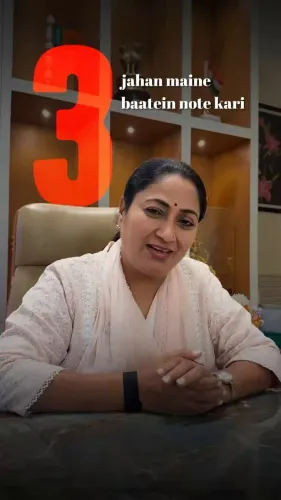
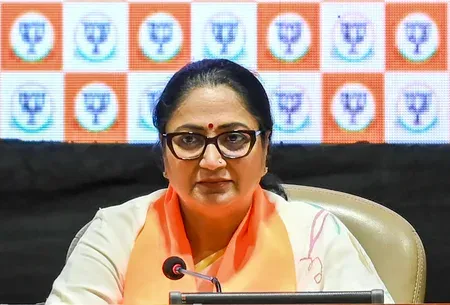
Delhi Chief Minister Rekha Gupta on Saturday, June 13 announced she will personally lead a mega cleanliness drive across 28 ghats on the Yamuna River in Delhi on Sunday, June 14, calling on thousands of volunteers, citizens, and students to join the campaign.
Context
Posting in Hindi on X, CM Gupta declared: 'Dilli hamari hai aur Yamuna ji ki swachhata bhi hamari zimmedari hai' ('Delhi is ours, and the cleanliness of the Yamuna is also our responsibility'). She invited residents to spare time on the Sunday to join what she called the Mega Yamuna Ghat Safai Abhiyan — a large-scale riverfront cleaning mission — under the hashtag #SwachhYamunaMeraKartavya ('A Clean Yamuna Is My Duty').
The drive will span 28 ghats along the Yamuna simultaneously, making it one of the broader citizen-mobilisation efforts on the river in recent memory. The campaign is timed ahead of the monsoon season, when riverfront areas typically accumulate debris and the river's pollution levels draw renewed public attention.
Policy Backdrop
The Yamuna, a major tributary of the Ganga flowing through the heart of Delhi, has been identified for decades as one of India's most critically polluted rivers, burdened by untreated sewage, industrial effluents, and solid waste dumped along its banks. The Yamuna Action Plan, initiated in 1993 with Japanese technical assistance, was among the earliest structured governmental responses to the river's degradation.
Large-scale citizen participation in river cleaning aligns with the principles of the Swachh Bharat Mission, the national cleanliness programme launched in 2014, which encourages community involvement in waste management and public-space upkeep. The Yamuna also falls within the ambit of the central government's Namami Gange programme, which treats the river as a key tributary requiring coordinated inter-agency action.
Stakeholders and Impact
Delhi residents, student volunteers, and civil society groups are the primary participants envisaged for the drive. By anchoring the campaign across 28 ghats simultaneously, the administration aims to demonstrate scale and civic ownership over the river's upkeep — a message that carries political as well as environmental weight in the national capital.
Indian governments have periodically organised such large-scale river-cleaning events combining official machinery with volunteer mobilisation, particularly ahead of festivals or seasonal transitions. For CM Gupta and the BJP-led Delhi government, the campaign also serves as a visible platform for environmental governance messaging in a city where the Yamuna's condition has long been a politically charged issue.
What's Next
Attention will now turn to post-campaign assessments: whether water-quality monitoring at the 28 ghats shows measurable improvement and whether the drive translates into sustained inter-agency coordination between Delhi government bodies and central pollution control authorities. Follow-up budgetary allocations for ghat infrastructure and sewage treatment will be key indicators of whether the June 14 campaign marks the beginning of a longer policy push or remains a one-day mobilisation effort.
Point of View
Led in person by CM Rekha Gupta, is a calculated exercise in visible environmental governance at a moment when the Yamuna's condition remains a live political fault line in Delhi. By framing participation as civic duty — 'hamari zimmedari' — the campaign borrows the moral vocabulary of the Swachh Bharat Mission while anchoring ownership at the state level. It fits a broader pattern of Indian governments using high-visibility citizen drives to signal intent on river pollution without necessarily resolving the structural issues of sewage infrastructure and industrial discharge. The real test will be whether June 14 catalyses sustained inter-agency action or remains a powerful image without institutional follow-through.
NationPress
13 Sept 2026
Frequently Asked Questions
What is the Mega Yamuna Ghat Safai Abhiyan?
It is a large-scale riverfront cleaning campaign announced by Delhi CM Rekha Gupta , scheduled for June 14, 2026 , covering 28 ghats along the Yamuna River in Delhi with participation from volunteers, citizens, and students.
How many ghats will be covered in the Yamuna clean-up drive?
The campaign will span 28 ghats along the Yamuna in Delhi simultaneously.
Who is organising the Yamuna ghat cleaning drive in Delhi?
Delhi Chief Minister Rekha Gupta is personally leading the drive, which is being organised with the participation of thousands of volunteers, students, and civil society groups.
What is #SwachhYamunaMeraKartavya?
It is the official hashtag for the campaign, translating to 'A Clean Yamuna Is My Duty,' framing the river's cleanliness as a shared civic responsibility of Delhi's residents.
How does this campaign connect to national cleanliness programmes?
The drive aligns with the Swachh Bharat Mission launched in 2014 , which promotes citizen participation in cleanliness, and complements the central government's Namami Gange programme that covers the Yamuna as a key tributary of the Ganga .