CM Rekha Gupta Calls Delhi to Yamuna Ghat Mega Clean Drive
Synopsis
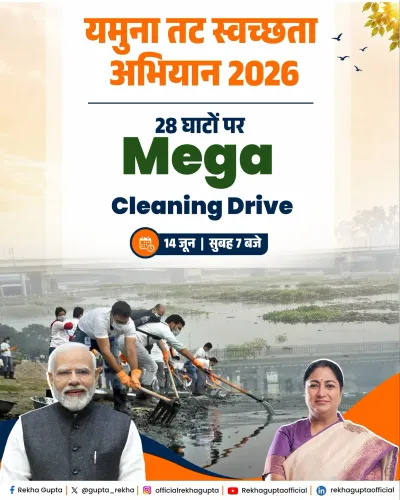
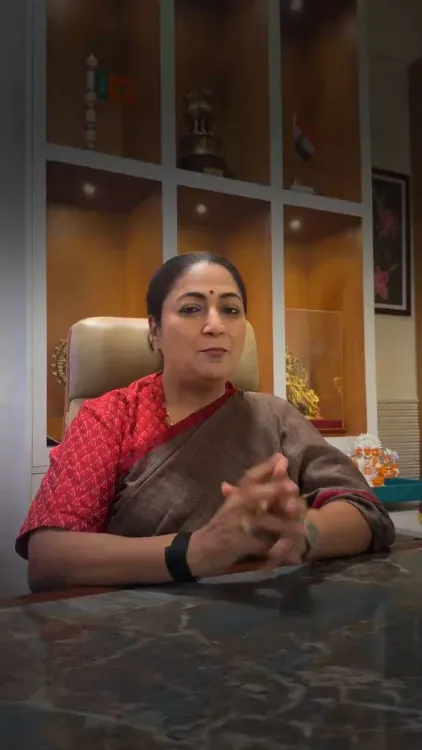
Delhi Chief Minister Rekha Gupta has called residents to join a Mega Yamuna Ghat Cleaning Drive on 14 June 2026, backed by 500+ NGOs and thousands of volunteers, under her #ViksitDelhi initiative.
Key Takeaways
Delhi CM Rekha Gupta announced a Mega Yamuna Ghat Cleaning Drive for Sunday, 14 June 2026 .
More than 500 NGOs and thousands of volunteers are being mobilised for the single-day event.
The drive is linked to the #ViksitDelhi ('Developed Delhi') governance hashtag championed by the Chief Minister.
Residents are invited to participate at their nearest Yamuna ghat and can comment on the post for logistical details.
The campaign follows a long line of riverfront clean-up efforts dating to the Yamuna Action Plan of 1993 and the Swachh Bharat Mission of 2014 .
Participation numbers and waste-collection data on 14 June will be key metrics for assessing the drive's reach.
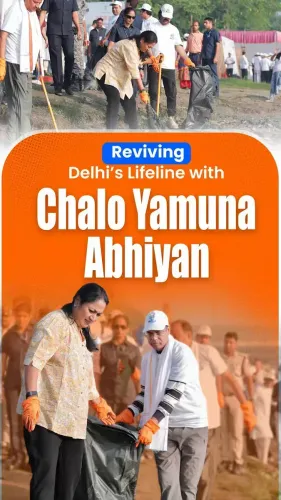
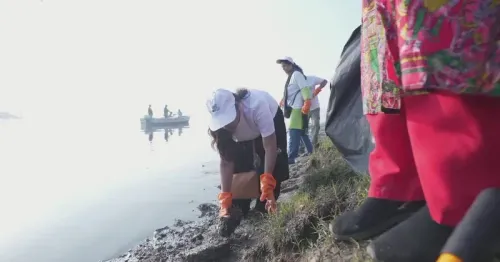
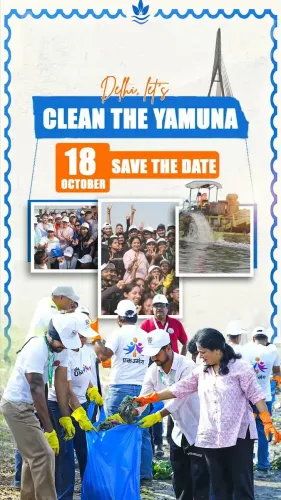
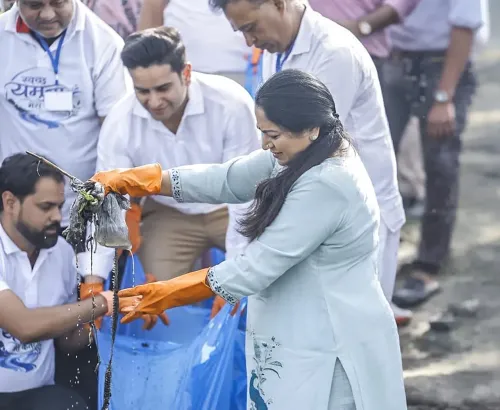
Delhi Chief Minister Rekha Gupta on Monday, 8 June 2026, called on residents of the national capital to join a Mega Yamuna Ghat Cleaning Drive scheduled for Sunday, 14 June 2026, mobilising more than 500 NGOs and thousands of volunteers across multiple ghats along the river.
Context
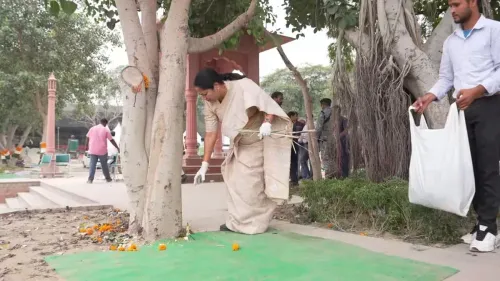
Posting under the hashtag #ViksitDelhi ('Developed Delhi'), CM Gupta urged citizens to visit their nearest Yamuna ghat, contribute a few hours, and 'make a visible difference.' The call is framed as a community mission, with the Chief Minister inviting residents to comment for further details on participation.
The drive brings together more than 500 non-governmental organisations and an unspecified number of volunteers in what is described as a single, coordinated effort across Delhi's riverfront. The scale of NGO mobilisation signals a structured, government-backed coordination rather than a spontaneous citizen initiative.
Policy Backdrop
The Yamuna has been at the centre of environmental policy debates in Delhi for decades. The Yamuna Action Plan, launched in 1993, sought to reduce river pollution through sewage treatment infrastructure, while the Swachh Bharat Mission introduced in 2014 incorporated riverfront cleanliness as a component of its national sanitation agenda.
Successive administrations in Delhi have periodically organised community river-cleaning campaigns to produce visible short-term improvements at ghats, even as longer-term sewage treatment and industrial effluent projects continue in parallel. The #ViksitDelhi hashtag situates this drive within CM Gupta's broader governance and urban development narrative since assuming office.
Stakeholders and Impact
Delhi residents, environmental volunteers, and local civil-society organisations are the primary participants. The involvement of more than 500 NGOs suggests a city-wide footprint, with ghat-level coordination likely distributed across organisations already active in riverfront areas.
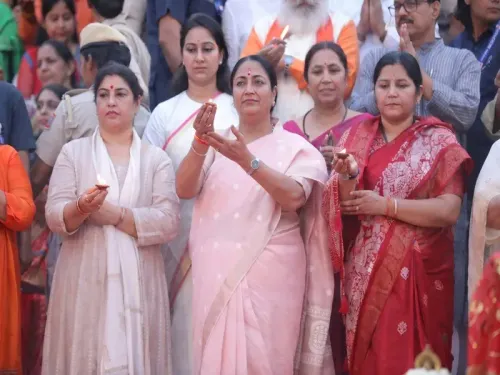
For communities living near the Yamuna, ghat cleanliness has direct implications for religious and cultural practices — several ghats are used for daily rituals and festivals. A large-scale, single-day drive can generate measurable reductions in solid waste and improve ghat accessibility, even if structural pollution from untreated sewage requires longer infrastructure timelines.
What's Next
Key indicators to watch on 14 June include total volunteer turnout, the volume of waste collected, and the number of ghats covered. Any announcement by the Delhi government of a recurring ghat-maintenance schedule following the drive would signal a shift from one-off events toward sustained riverfront governance.
If participation numbers are strong, the drive could serve as a template for regular community-led environmental action under the #ViksitDelhi framework — and raise pressure on authorities to match visible clean-up efforts with accelerated sewage infrastructure investment along the Yamuna.
Point of View
Distinguishing her administration's style from predecessors. The Yamuna has historically been a politically charged issue in Delhi, making any large-scale clean-up effort a potent symbol. Whether the momentum translates into sustained infrastructure investment or remains a recurring optics exercise will define the long-term credibility of this environmental push.
NationPress
23 Oct 2026
Frequently Asked Questions
What is the Mega Yamuna Ghat Cleaning Drive in Delhi?
It is a large-scale community clean-up event organised by the Delhi government on 14 June 2026, mobilising 500+ NGOs and thousands of volunteers to clean ghats along the Yamuna river.
Who is organising the Yamuna Ghat Cleaning Drive on 14 June 2026?
Delhi Chief Minister Rekha Gupta announced and is backing the drive, with coordination across more than 500 NGOs and volunteer groups across the city.
How can I participate in the Delhi Yamuna Ghat Cleaning Drive?
CM Rekha Gupta has asked interested residents to visit their nearest Yamuna ghat on Sunday, 14 June 2026, and to comment on her official X post for specific participation details.
What is #ViksitDelhi?
#ViksitDelhi, meaning 'Developed Delhi', is the hashtag associated with Delhi CM Rekha Gupta's broader governance and urban development vision, under which environmental initiatives like this drive are being promoted.
What is the history of Yamuna clean-up efforts in Delhi?
Efforts to clean the Yamuna date back to the Yamuna Action Plan of 1993, which focused on sewage treatment, and were reinforced by the Swachh Bharat Mission launched in 2014. Successive Delhi governments have also held periodic community clean-up drives at the river's ghats.