CM Rekha Gupta Leads Yamuna Cleanliness Drive at Hathi Ghat
Synopsis
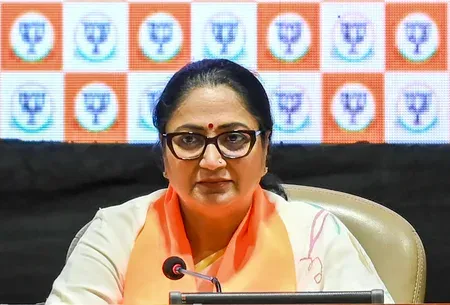
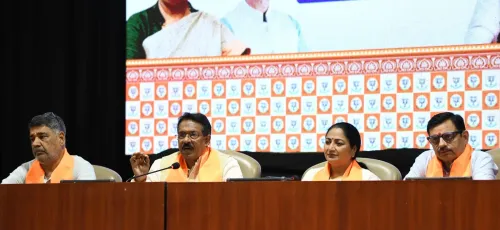
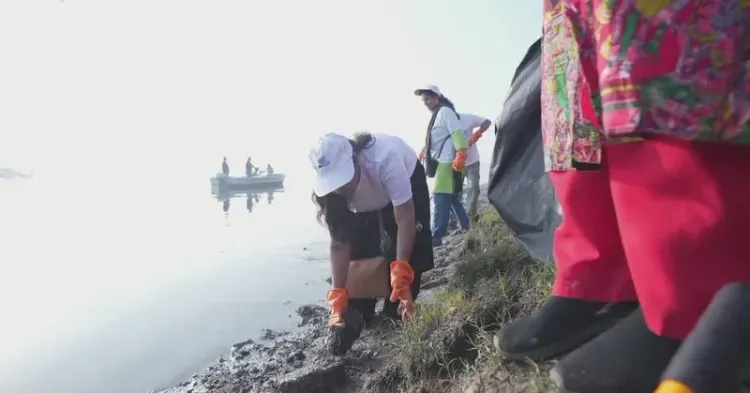
Delhi Chief Minister Rekha Gupta led the Chalo Yamuna mega cleanliness drive at Hathi Ghat, ITO on 18 October 2026, live-streaming the campaign under the Seva Sankalp Abhiyan and the Swachh Yamuna Prahari initiative to mobilise residents around Yamuna riverbank restoration.
Key Takeaways
Delhi CM Rekha Gupta personally led the Chalo Yamuna cleanliness drive on 18 October 2026 .
The event was held at Hathi Ghat, ITO — a high-visibility stretch of the Yamuna in central Delhi.
The drive was broadcast live , expanding public participation beyond those physically present.
It operates under the Seva Sankalp Abhiyan and the hashtag #स्वच्छ_यमुना_प्रहरी (Swachh Yamuna Prahari).
Yamuna ghat clean-up drives are part of a broader pattern of periodic civic campaigns rooted in the Swachh Bharat Mission launched in 2014 .
Subsequent water quality monitoring and further phases of the campaign are the key indicators to watch.
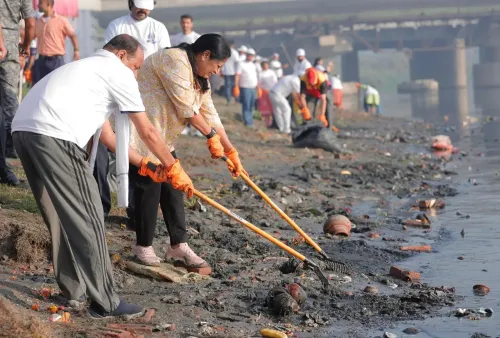
On the banks of one of India's most talked-about rivers, Delhi Chief Minister Rekha Gupta on Sunday, 18 October 2026, flagged off a mega cleanliness drive under the banner Chalo Yamuna — a live public mobilisation at Hathi Ghat, ITO, Delhi, aimed squarely at the Yamuna's battered riverfront.
A Drive on Delhi's Most Contested Riverbank
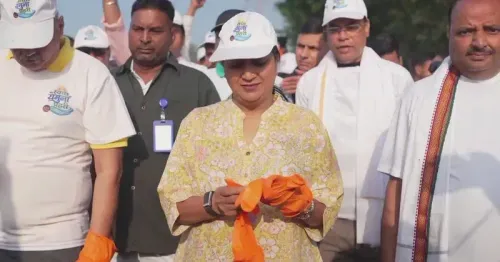
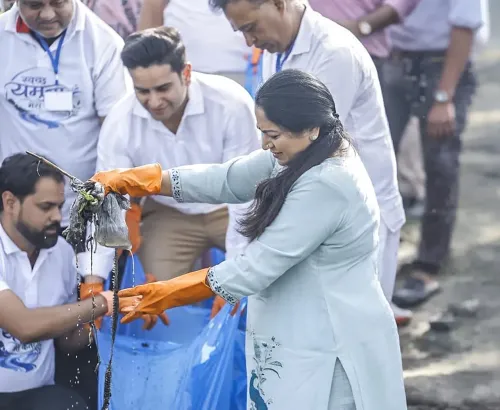
The campaign, anchored under the Seva Sankalp Abhiyan and tagged #स्वच्छ_यमुना_प्रहरी (Swachh Yamuna Prahari — Guardians of a Clean Yamuna), brought together volunteers, civic workers, and residents to clean the stretch at Hathi Ghat near ITO — a high-visibility point along the riverfront that cuts through central Delhi. The drive was broadcast live, opening the effort to a wider public audience beyond those physically present at the ghat.
Yamuna Cleanup: A Recurring Delhi Commitment
The Yamuna has been a flashpoint of environmental debate in Delhi for decades. Successive governments have launched periodic ghat-cleaning and anti-pollution drives, each framing the river's revival as a civic priority. The broader architecture for such efforts traces back to the Swachh Bharat Mission, launched in 2014, which institutionalised community-led cleanliness campaigns as a national template. Drives like today's blend public participation with administrative coordination — volunteers working alongside municipal machinery to clear silt, waste, and debris from riverbanks.
The Seva Sankalp Abhiyan provides the current programmatic umbrella, channelling cleanliness efforts into a structured campaign format with dedicated hashtags and live-streaming to amplify reach and accountability.
What the Ghat-Level Action Signals
Hathi Ghat at ITO sits on a stretch of the Yamuna that is among the most scrutinised in the city — photographically documented year after year for its pollution levels, particularly during festive seasons. A drive anchored here carries symbolic weight beyond sanitation: it places the administration visibly at the site of the problem. Delhi residents and conservation volunteers remain the key stakeholders watching whether today's mobilisation translates into sustained monitoring of Yamuna water quality in the weeks ahead.
The real measure of any single-day drive is what it triggers next — follow-up water quality checks, sustained ghat maintenance, and whether the momentum of Seva Sankalp Abhiyan carries into a second and third phase before the river's next seasonal stress test.
Point of View
The Seva Sankalp Abhiyan framework allows it to position cleanliness as a governance deliverable rather than a campaign promise, directly contesting the narrative space that previous administrations held on Yamuna rejuvenation. The live-broadcast format signals a shift toward real-time civic accountability, though analysts will weigh the drive's durability against the river's persistent water-quality metrics in the months ahead. Whether this becomes a sustained administrative programme or a one-day headline is the question Delhi's environmental watchers will be tracking.
NationPress
18 Oct 2026
Frequently Asked Questions
What is the Chalo Yamuna cleanliness drive?
Chalo Yamuna is a mega cleanliness drive launched by Delhi Chief Minister Rekha Gupta on 18 October 2026 at Hathi Ghat, ITO, to clean Yamuna riverbanks as part of the Seva Sankalp Abhiyan campaign.
Where is Hathi Ghat in Delhi?
Hathi Ghat is a riverfront location along the Yamuna near ITO in central Delhi, frequently used for civic and cultural events along the riverbank.
What is Seva Sankalp Abhiyan?
Seva Sankalp Abhiyan is a campaign framework associated with cleanliness and public service drives in Delhi, under which the Chalo Yamuna and Swachh Yamuna Prahari initiatives are being organised.
What is Swachh Yamuna Prahari?
Swachh Yamuna Prahari, meaning 'Guardians of a Clean Yamuna,' is the campaign identity — carried under the hashtag #स्वच्छ_यमुना_प्रहरी — for mobilising volunteers and residents to protect and clean the Yamuna river.
Has the Yamuna been cleaned before under previous Delhi governments?
Yes. Periodic cleanliness drives targeting Yamuna ghats and riverbanks have been conducted by successive Delhi governments, all drawing on the Swachh Bharat Mission framework launched in 2014 to institutionalise community-led sanitation campaigns.