Pujara lauds Dhir's 24-off-6 cameo, urges India to back settled spin unit
Synopsis
Cheteshwar Pujara's praise for Naman Dhir's 24-off-6 cameo comes with a deeper message — that such finishing brilliance is built on unseen preparation, not instinct alone. Equally pointed was his call for India to stop chopping and changing its spinners, warning that the format's psychological demands can erode confidence fast if bowlers aren't given clarity and consistent backing.
Key Takeaways
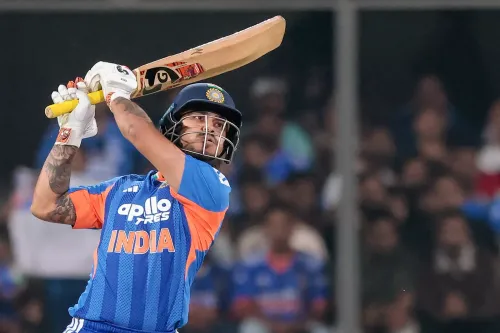
Naman Dhir hit an unbeaten 24 off six balls (strike rate 400 ) in India's rain-hit T20I decider against the West Indies in Bengaluru .
Cheteshwar Pujara called the cameo 'phenomenal' and emphasised the preparation required to deliver such an impact with minimal time at the crease.
Pujara urged team management to communicate clearly to spinners whether they are part of the long-term setup, even when not in the playing XI.
Kuldeep Yadav , Ravi Bishnoi , and Varun Chakravarthy were named as the spin options India needs to evaluate for the coming years.
Pujara flagged that Bishnoi 'hasn't been bowling really well' and suggested India may need to consider additional spin alternatives.
Former India batter Cheteshwar Pujara has praised Naman Dhir for his explosive unbeaten 24 off six deliveries in India's rain-curtailed T20I decider against the West Indies in Bengaluru, calling the performance a product of intense preparation rather than natural flair. Pujara also called on team management to identify and consistently back a core group of spinners for the years ahead, naming Kuldeep Yadav and Ravi Bishnoi as options to be evaluated alongside Varun Chakravarthy.
The Dhir Moment: Preparation Behind the Ease
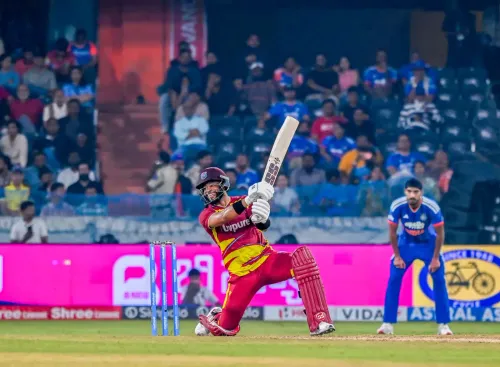
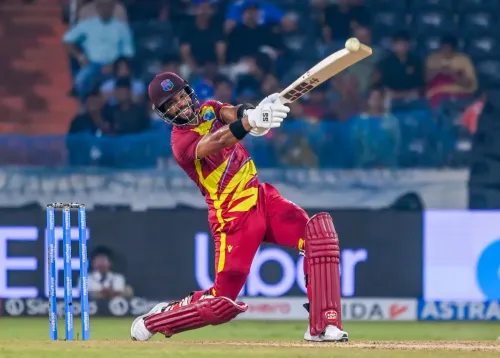
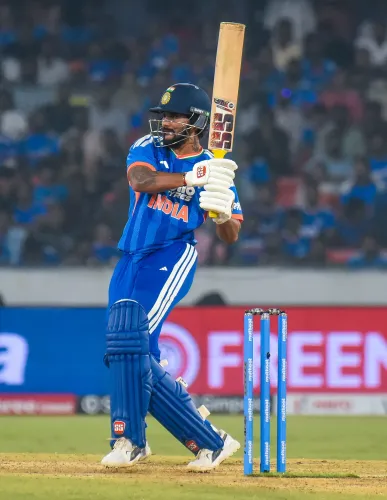
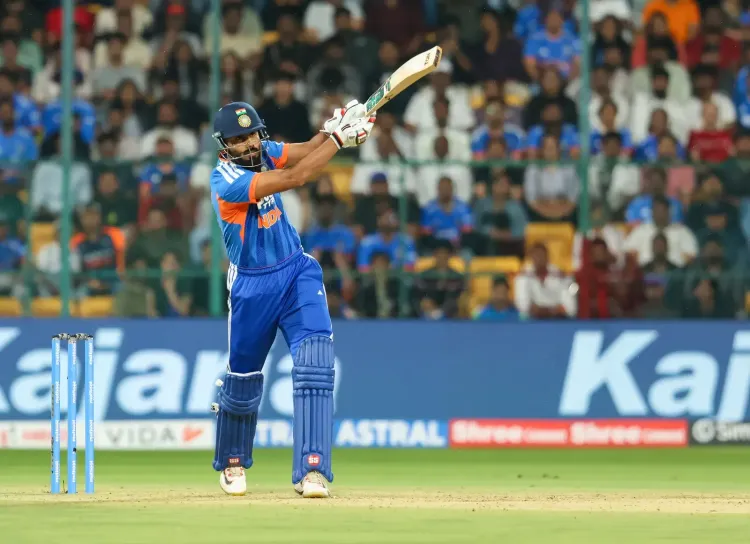
Dhir's six-ball assault in the rain-reduced nine-over contest offered a vivid illustration of the finisher's role in modern T20 cricket. The Mumbai Indians batter struck mostly fours and sixes, finishing at a strike rate of 400 — an impact that belied the brevity of his time at the crease.
Pujara was quick to contextualise the apparent ease. 'It's the ease he's batting with. You face only six deliveries, and there were just two singles. All the other deliveries went for fours and sixes. He's batting at a strike rate of 400 in a game that is limited to nine overs. So, to walk in and start hitting each and every ball for a four or a six, that needs a lot of preparation,' he told JioStar.
He added: 'When you look at him batting, you might think, 'Oh, he's making batting look so easy,' but it's not that easy. When you're batting in that position, you have no time to think. So, to have faced just five or six deliveries and to have reached a score of 24, I think that is phenomenal.'
The Spin Selection Dilemma
Beyond Dhir's cameo, Pujara turned his attention to what he described as a longer-term structural challenge for Indian cricket: how to build and sustain a settled spin attack in the T20 format. Ground dimensions, he argued, play a significant role in spin selection decisions, and that uncertainty can erode a bowler's confidence if not managed carefully.
'You will have to identify players and continue backing them. If the boundary size is small, Kuldeep may not play every game. So, you also need to give the players clarity that they will continue to be part of the Indian team. They may or may not be part of the playing XI regularly, but they are there in the larger setup. That is the message that needs to be communicated to the spinners especially because they can lose confidence pretty quickly in a shorter format,' Pujara said.
Kuldeep, Bishnoi and the Road Ahead
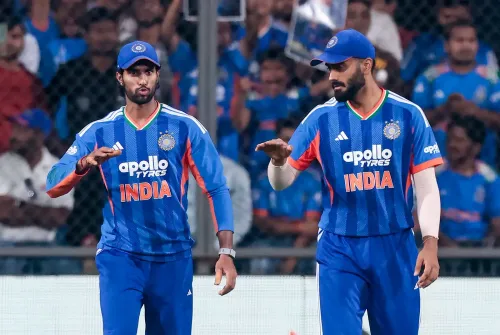
Pujara specifically flagged Kuldeep Yadav's past struggles with form and confidence in T20s, noting that conceding heavily in a short spell can have an outsized psychological impact. He raised doubts about Ravi Bishnoi's recent output, suggesting India may need to look at additional options.
'If you concede 40 to 50 runs in your four-over spell, you start to lose confidence, and that has happened with Kuldeep in the past. So, after Varun, it's important to identify your spinners, whether it's Kuldeep or Ravi Bishnoi. Bishnoi hasn't been bowling really well, so we might have to look at another option. It's important to identify whom you want to see in the team over the next couple of years and try to give them enough opportunities,' he added.
What This Means for India's T20 Blueprint
Pujara's remarks arrive at a moment when India's T20 squad is undergoing a measured transition, with the Bengaluru decider serving as a testing ground for fringe players. His dual focus — on batting depth at the death and spin bowling continuity — reflects two of the more pressing questions the team management will need to answer ahead of the next major T20 cycle. The clarity that players receive now, Pujara suggested, will directly shape their confidence when the highest-stakes matches arrive.
Point of View
Leaks runs, and disappears, never quite given enough rope to develop T20 craft at international level. The spin question is particularly acute: Kuldeep, Bishnoi and Chakravarthy are three very different profiles, and using all three interchangeably depending on pitch or boundary dimensions means none of them builds the consistent match intelligence that separates good T20 spinners from great ones. Dhir's cameo, meanwhile, is a data point for a broader conversation India needs to have about dedicated finishers — batters picked not to anchor but purely to accelerate from ball one. That is a specialist role, and specialist roles demand specialist preparation, as Pujara rightly noted.
NationPress
18 Oct 2026
Frequently Asked Questions
What did Naman Dhir do in the India vs West Indies T20I decider in Bengaluru?
Naman Dhir scored an unbeaten 24 off just six deliveries in the rain-reduced T20I decider against the West Indies in Bengaluru, batting at a strike rate of 400. His knock included mostly fours and sixes, with only two singles across the six balls he faced.
Why did Cheteshwar Pujara praise Naman Dhir's cameo?
Pujara praised Dhir because the ease of the innings masked the preparation required to execute at that level with virtually no time to settle. He described the ability to walk in and hit nearly every ball for a four or six in a nine-over match as 'phenomenal', emphasising that such finishing requires significant work behind the scenes.
Which spinners did Pujara name as India's T20 options going forward?
Pujara named Varun Chakravarthy, Kuldeep Yadav, and Ravi Bishnoi as the spinners India needs to assess for its T20 setup over the coming years. He noted that Bishnoi had not been bowling well recently and suggested India may need to explore additional spin alternatives.
Why does Pujara think clarity is important for India's spinners?
Pujara argued that spinners in T20 cricket are particularly vulnerable to confidence loss — one expensive spell of 40 to 50 runs can quickly affect a bowler's mindset. He said players need to know they are valued within the larger setup even when not in the playing XI, to maintain their belief and form.
What is the broader selection challenge Pujara highlighted for Indian T20 cricket?
Pujara pointed to the tension between ground dimensions, bowler suitability, and long-term continuity in T20 spin selection. He said India must identify the spinners it wants over the next couple of years and give them consistent opportunities, rather than rotating options based on short-term conditions.