South Korea PM Han Seong-sook vows push to resume inter-Korean dialogue
Synopsis
South Korean PM Han Seong-sook is pushing to reopen dialogue with Pyongyang — but the backdrop is anything but diplomatic. A North Korean landmine that injured three South Korean soldiers, a fierce UN confrontation, and an unbridged nuclear standoff all point to the widest inter-Korean gulf in years, making Han's peace overture as much a domestic message as a Pyongyang one.
Key Takeaways
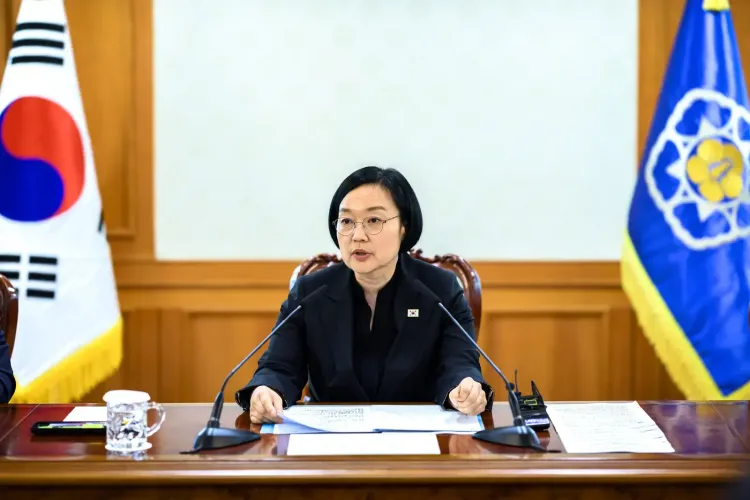
Prime Minister Han Seong-sook pledged on 18 October 2026 to work toward resuming inter-Korean dialogue and peaceful coexistence.
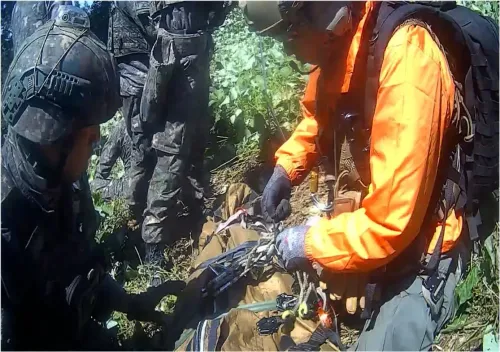
A North Korean landmine injured three South Korean soldiers near the inter-Korean border on 21 September , which Seoul called a clear violation of the Armistice Agreement .
South Korean Ambassador Cha Ji-hoon raised the incident at the 81st UN General Assembly session, calling on Pyongyang to apologise and take 'responsible measures.' North Korea rejected the accusation, calling it a 'poor trick' to mischaracterise its border fortification efforts.
Both sides restated opposing positions on North Korea's nuclear programme , with Seoul urging NPT compliance and Pyongyang defending its arsenal as sovereign necessity.
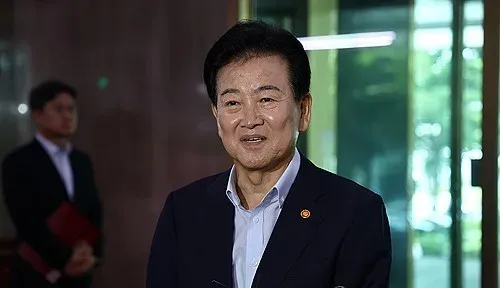
South Korean Prime Minister Han Seong-sook on Sunday, 18 October 2026, pledged that Seoul would press ahead with efforts to reopen dialogue channels with Pyongyang and pursue peaceful coexistence on the divided peninsula. The remarks came even as tensions between the two Koreas remain elevated following a recent landmine incident near their shared border.
What the Prime Minister Said
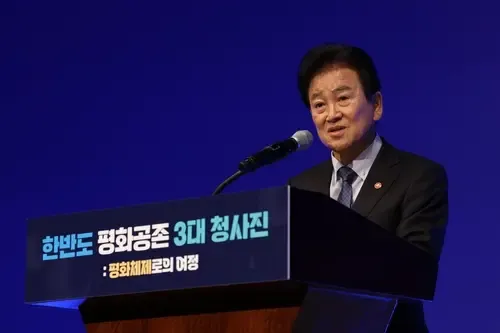
'Efforts will be made to open the door for dialogue between South Korea and North Korea and to hold talks on peace and joint prosperity,' Han said, addressing a presidential sporting competition in Seoul for displaced North Korean residents. She described inter-Korean division as a 'reality' and acknowledged that the 'pains of displaced residents and separated families are ongoing.' 'Our efforts to open the road to peaceful coexistence of South Korea and North Korea cannot stop,' she added, appealing to participants for their support and thanking them for their contributions to South Korea's economic development and democratisation.
The Landmine Incident That Sharpened Tensions
Han's conciliatory tone comes against the backdrop of a serious security incident. On 8 October, South Korea urged North Korea to take 'responsible measures' at the United Nations, accusing Pyongyang of violating the Armistice Agreement by deliberately planting a landmine that injured three South Korean soldiers near the inter-Korean border in September.
At a committee meeting of the 81st session of the UN General Assembly in New York, South Korean Ambassador to the UN Cha Ji-hoon said a joint investigation by the South Korean military and the United Nations Command (UNC) confirmed that a 21 September explosion was caused by a landmine deliberately planted by North Korean forces south of the Military Demarcation Line (MDL) separating the two Koreas. 'A joint on-site investigation by ROK military and the UNC supported by forensic analysis confirmed that the explosion was caused by a landmine deliberately planted by DPRK forces south of the military demarcation line,' Cha said.
Cha declared the incident a 'clear violation' of the Armistice Agreement and urged the DPRK to 'cease such escalatory actions upon apology and take responsible measures.'
North Korea's Rebuttal
Pyongyang rejected Seoul's account entirely. The North Korean representative at the UN dismissed the accusation as a bid to misrepresent the North's border fortification measures as a military provocation. 'This is no more than a poor trick of the ROK military to shift the blame of its own onto the DPRK,' the representative said. The exchange underscored how deeply entrenched the opposing narratives on inter-Korean security incidents remain.
Nuclear Standoff Echoes Through the Debate
Both sides also reaffirmed their long-held positions on North Korea's nuclear weapons programme. Ambassador Cha reiterated Seoul's commitment to nuclear non-proliferation and called on Pyongyang to return to full compliance with the Nuclear Non-Proliferation Treaty and relevant UN Security Council resolutions. The North Korean representative, in turn, defended Pyongyang's nuclear arsenal as an 'inevitable choice' to protect its sovereignty against what it described as 'decades-long US nuclear threat.' The positions remain irreconcilable in the near term, analysts note.
What to Watch
Prime Minister Han's appeal for dialogue signals that Seoul is keeping diplomatic channels nominally open despite the escalatory signals from the North. Whether Pyongyang responds — or whether the landmine fallout further freezes any prospect of engagement — will be closely watched in the weeks ahead.
Point of View
A public UN rebuke, and an exchange of nuclear red lines. Seoul's pattern of extending peace gestures while simultaneously escalating diplomatic pressure at multilateral forums reflects a dual-track strategy that has rarely moved Pyongyang. The more pointed question is whether the incoming US posture on Korean Peninsula denuclearisation will give Seoul any new leverage — or whether, as in previous cycles, the window for dialogue will open briefly and close without result.
NationPress
18 Oct 2026
Frequently Asked Questions
What did South Korean PM Han Seong-sook say about inter-Korean dialogue?
Prime Minister Han Seong-sook pledged on 18 October 2026 that Seoul would strive to open dialogue with Pyongyang and pursue peaceful coexistence. She made the remarks at a presidential sporting event for displaced North Korean residents in Seoul, describing inter-Korean division as a 'reality' and the suffering of separated families as 'ongoing.'
What was the landmine incident involving North Korea?
On 21 September, an explosion near the inter-Korean border injured three South Korean soldiers. A joint investigation by the South Korean military and the UN Command confirmed the blast was caused by a landmine deliberately planted by North Korean forces south of the Military Demarcation Line, which Seoul called a violation of the Armistice Agreement.
How did North Korea respond to South Korea's accusations at the UN?
North Korea's representative at the UN rejected Seoul's account, calling it a 'poor trick' to portray Pyongyang's border fortification measures as a military incursion. The North denied responsibility and accused South Korea of shifting blame.
What is the current state of North Korea's nuclear programme dispute?
The two Koreas reaffirmed their opposing positions at the UN General Assembly. South Korea called on Pyongyang to return to full compliance with the Nuclear Non-Proliferation Treaty and UN Security Council resolutions, while North Korea defended its nuclear weapons as a sovereign necessity against what it termed decades of US nuclear threat.
Why does inter-Korean dialogue matter now?
Despite Seoul's repeated overtures, inter-Korean communication lines have been largely frozen for years. The latest landmine incident and the hardening of nuclear positions at the UN signal that the gap between the two Koreas is widening, making any resumption of formal talks an uphill diplomatic task.