CM Rekha Gupta Calls for Yamuna Cleanliness Drive
Synopsis
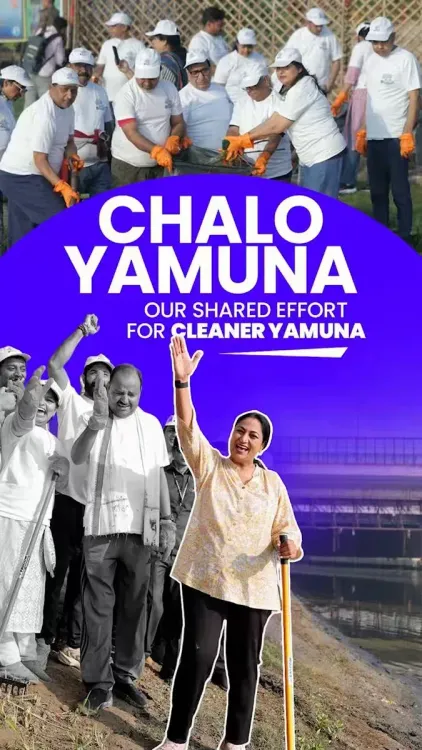
Delhi Chief Minister Rekha Gupta launched a public appeal on October 18, 2026, urging citizens to stop immersing flowers, puja materials and plastic in the Yamuna, framing river care as an expression of devotion under the #ChaloYamuna and #SevaSankalpAbhiyan banners.
Key Takeaways
Delhi CM Rekha Gupta posted on October 18, 2026 urging citizens to keep flowers, puja offerings and plastic out of the Yamuna River .
The campaign hashtags include #ChaloYamuna , #स्वच्छ_यमुना_प्रहरी (Clean Yamuna Guardian), and #SevaSankalpAbhiyan .
Gupta framed river cleanliness as an act of devotion, using the sankalp (collective resolve) framing to mobilise citizens.
The appeal echoes the cultural-devotion approach used in the Namami Gange programme launched in 2014 for cleaning Ganga tributaries including the Yamuna.
The Yamuna flowing through Delhi remains one of the most polluted river stretches in South Asia, with ritual waste cited as a significant contributor.
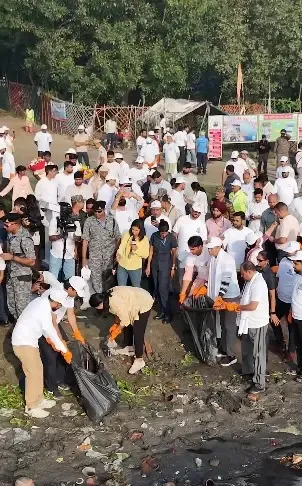
A river sacred to millions, choked by the very offerings meant to honour it — Delhi Chief Minister Rekha Gupta on Sunday, October 18, 2026, turned to the devotional bond Delhiites share with the Yamuna to make the case for behavioural change, urging citizens to stop disposing flowers, puja offerings, and plastic into the river.
The ask: small habits, a sacred river
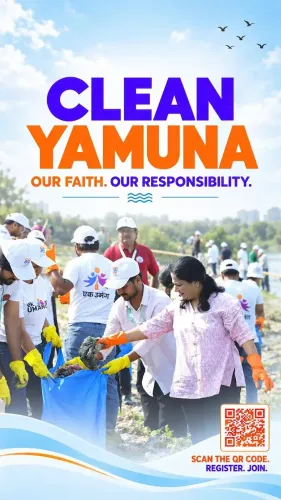
Posting under the hashtags #ChaloYamuna, #स्वच्छ_यमुना_प्रहरी ('Clean Yamuna Guardian'), and #SevaSankalpAbhiyan, Gupta framed the appeal not as a bureaucratic directive but as an act of devotion itself. 'Our devotion to Maa Yamuna is reflected in how we care for her,' she wrote. 'Small changes in our daily habits — like keeping flowers, puja offerings and plastic out of the river — can make a meaningful difference.'
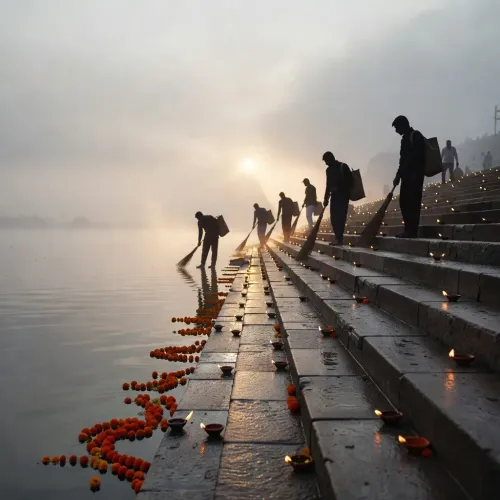
The message lands at a moment when the Yamuna, as it flows through Delhi, remains one of the most visibly polluted stretches of any river in South Asia, its banks a daily recipient of ritual materials that, however spiritually intended, accelerate biological and chemical degradation.
Devotion repurposed as environmental argument
The framing is deliberate and well-worn in Indian environmental politics. By anchoring cleanliness in the language of sankalp (resolve) and collective worship rather than regulation, the campaign seeks to reach the devotee first and the citizen second — a playbook that the Namami Gange programme, launched in 2014, also employed for Ganga tributaries including the Yamuna. That national scheme combined infrastructure investment with exactly this kind of cultural-appeal outreach.
Whether the hashtag push translates into measurable change in Delhi's Yamuna water quality will depend on what concrete mobilisation follows — designated collection points for ritual waste, ghaat-level volunteers, or partnerships with temples and RWAs. Those specifics remain to be announced.
What the '#WeWillDoIt' pledge means on the ground
Gupta closed with a collective vow: 'With our Sankalp and collective strength, together, #WeWillDoIt.' For Delhi residents who live alongside the river and the millions of pilgrims who gather at its ghats for festivals, the test will be whether the administration backs the sentiment with logistics. A river this burdened does not heal on hashtags alone — but shifting the cultural conversation around what genuine devotion demands is, historically, where durable behaviour change begins.
Point of View
Industrial discharge, and municipal waste — while generating visible grassroots momentum. Anchoring environmental asks in religious sentiment has a genuine track record of shifting behaviour at the community level, as the Namami Gange experience demonstrated, but it also risks letting the state off the hook for systemic investment. For the BJP in Delhi, a Yamuna that looks and feels cleaner ahead of major festivals is both a governance credential and a cultural-identity statement. The real metric will be whether the hashtag energy converts into sustained, measurable improvement in water-quality data.
NationPress
18 Oct 2026
Frequently Asked Questions
What is the #ChaloYamuna campaign by Delhi CM Rekha Gupta?
#ChaloYamuna is a public cleanliness appeal launched by Delhi Chief Minister Rekha Gupta urging citizens to stop immersing flowers, puja offerings and plastic in the Yamuna River, framed as an act of devotion under the broader #SevaSankalpAbhiyan initiative.
Why is the Yamuna River so polluted in Delhi?
The Yamuna in Delhi receives large volumes of untreated sewage, industrial effluents, and ritual waste including flowers, plastic packaging and puja materials, making it one of the most polluted river stretches in South Asia.
What is the Namami Gange programme and does it cover the Yamuna?
Namami Gange is a river-cleaning programme launched in 2014 that covers the Ganga and its tributaries, including the Yamuna. It combines infrastructure investment with public awareness campaigns, often using cultural and devotional messaging.
How can devotees avoid polluting the Yamuna during puja?
Authorities and environmental groups recommend using designated collection points at ghats for flowers and offerings, switching to biodegradable materials, and avoiding single-use plastic in all river-side rituals.
What is #स्वच्छ_यमुना_प्रहरी?
#स्वच्छ_यमुना_प्रहरी translates to 'Clean Yamuna Guardian' and is one of the hashtags associated with Delhi CM Rekha Gupta's campaign asking citizens to act as guardians of the Yamuna by changing their daily habits near the river.