Chalo Yamuna Campaign: CM Rekha Gupta leads clean-up at 70 Delhi ghats
Synopsis
Thousands of Delhiites descended on all 70 Yamuna ghats on 18 October for the 'Chalo Yamuna Campaign' — the BJP-led Delhi government's biggest single-day river clean-up push yet. With Chief Minister Rekha Gupta personally leading the shramdaan, the campaign blends civic mobilisation with ongoing STP and drain-desilting work, testing whether public action can accelerate what decades of policy alone have not.
Key Takeaways
Delhi CM Rekha Gupta led the 'Chalo Yamuna Campaign' on 18 October 2026 .
The drive covered all 70 Yamuna ghat locations across New Delhi simultaneously.
Thousands of volunteers from RWAs , NGOs , youth groups and elected representatives offered 'shramdaan' .
The CM appealed to residents to become 'Yamuna Praharis' and stop disposing waste at the river.
The Delhi government says sewage treatment plants and large-scale drain desilting are underway to cut pollution inflows.
Yamuna clean-up was a key BJP poll promise ahead of the Delhi Assembly elections .
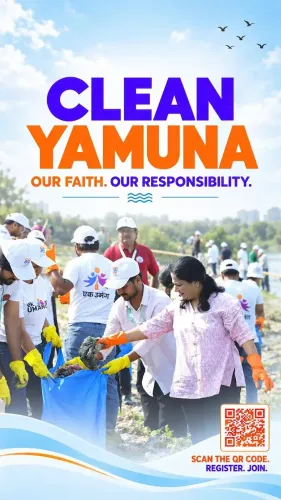
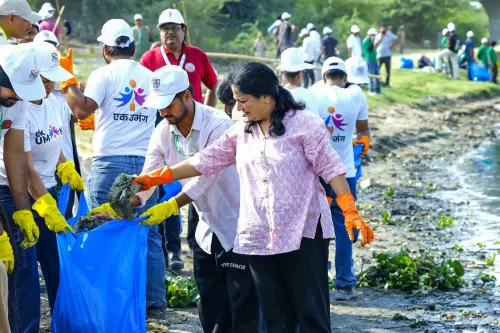
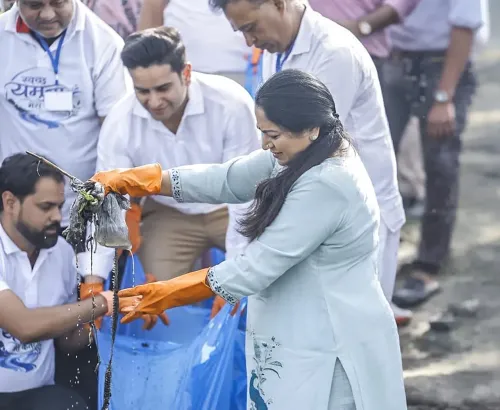
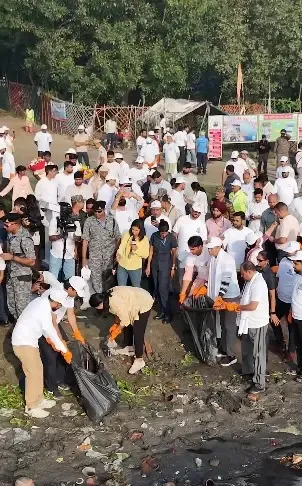
Delhi Chief Minister Rekha Gupta on Sunday, 18 October 2026, led a sweeping river revival and cleanliness drive across 70 Yamuna ghats in New Delhi under the 'Chalo Yamuna Campaign', drawing thousands of volunteers from youth groups, Resident Welfare Associations (RWAs), non-governmental organisations (NGOs), and elected representatives who offered their 'shramdaan' — voluntary labour — in a coordinated push to rehabilitate one of India's most polluted urban rivers.
Scale of the Drive
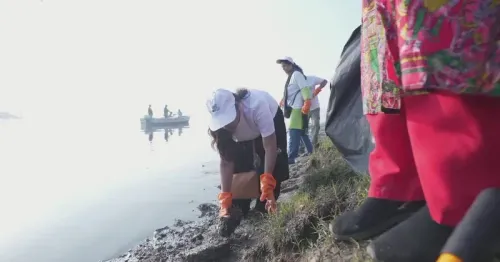
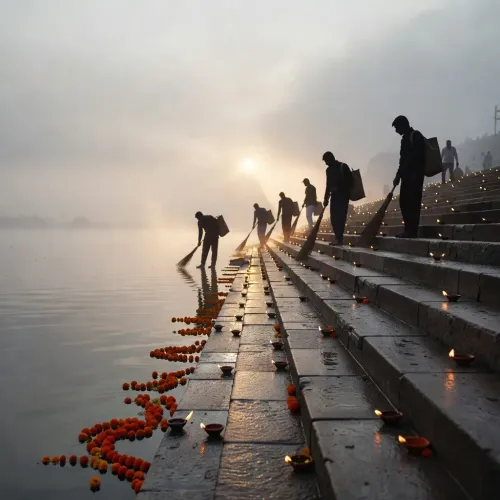
The campaign covered all 70 ghat locations across the capital simultaneously, making it one of the largest single-day Yamuna clean-up mobilisations in recent years. Participants cleared waste, plastic packaging, religious offerings left at the riverbank, and debris from surrounding areas. The Chief Minister personally participated at the ghats, reinforcing the administration's public commitment to the effort.
What the Chief Minister Said
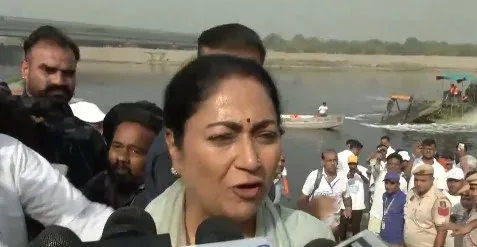
'Cleanliness is not just a campaign but a way of life and ensuring that no waste reaches the Yamuna is our collective responsibility,' Chief Minister Rekha Gupta said at the event. She appealed to Delhi residents to become 'Yamuna Praharis' — guardians of the river — and specifically urged them to refrain from leaving religious offerings, clothes offered to deities, damaged idols, plastic wrappers, or any other waste in the river or at its ghats. 'Keeping the Yamuna clean is not the responsibility of any single department or organisation but a shared responsibility of society as a whole,' she added.
Government Steps on Ground
The Delhi government, under Chief Minister Gupta, claims it has accelerated structural interventions alongside awareness campaigns. Sewage treatment plants (STPs) and decentralised STPs are reportedly being set up to intercept drains that discharge directly into the Yamuna. Large-scale desilting of drains is also said to be underway. The government maintains that it has prioritised all work necessary to effectively control the sources of pollution entering the river.
Political and Civic Context
Yamuna clean-up was a prominent poll plank of the Bharatiya Janata Party (BJP) ahead of the Delhi Assembly elections, and the campaign represents an early fulfilment push on that promise. This comes amid longstanding public frustration over the river's condition — the Yamuna, which flows through the heart of the capital, has consistently ranked among the most polluted stretches of any river in India. Notably, multiple clean-up initiatives spanning decades and successive governments have yet to produce a sustained turnaround in water quality. The 'Chalo Yamuna Campaign' adds civic mobilisation to the government's infrastructure push, with residents being asked to shift behaviour — particularly around waste disposal at religious sites — as a complement to engineering solutions.
What Comes Next
The administration has not specified a timeline for measurable water quality benchmarks, but the STP and desilting projects are ongoing. Whether Sunday's mass shramdaan translates into lasting behavioural change and whether the infrastructure investments deliver verifiable improvements will be the real test of the campaign's impact in the months ahead.
Point of View
And whether the government commits to publishing those numbers. A shramdaan at 70 ghats is a strong opening signal; it is not yet a result.
NationPress
18 Oct 2026
Frequently Asked Questions
What is the 'Chalo Yamuna Campaign'?
The 'Chalo Yamuna Campaign' is a mass clean-up and river revival initiative launched by the Delhi government under Chief Minister Rekha Gupta, covering all 70 Yamuna ghats across New Delhi. On 18 October 2026, thousands of volunteers, RWAs, NGOs, and public representatives participated in shramdaan — voluntary labour — to clean the riverbanks and surrounding areas.
Who led the Chalo Yamuna Campaign on 18 October?
Delhi Chief Minister Rekha Gupta personally led the campaign, participating at the ghats alongside citizens. She also appealed to Delhiites to become 'Yamuna Praharis' and refrain from leaving waste, religious offerings, or plastic at the river.
What infrastructure steps is the Delhi government taking to clean the Yamuna?
According to the Delhi government, sewage treatment plants (STPs) and decentralised STPs are being set up to intercept drains that discharge into the Yamuna, and large-scale desilting of drains is underway. These structural measures are intended to complement the civic mobilisation effort.
Why is Yamuna clean-up politically significant for the BJP in Delhi?
Yamuna clean-up was a prominent electoral promise of the Bharatiya Janata Party ahead of the Delhi Assembly elections. The campaign represents an early, visible effort to deliver on that commitment, with the Chief Minister leading the mobilisation personally.
Has the Yamuna been cleaned up successfully in the past?
Multiple clean-up initiatives spanning several decades and successive Delhi governments have yet to produce a sustained improvement in the Yamuna's water quality. The river remains among the most polluted urban river stretches in India, making the current campaign's long-term follow-through a critical factor in its credibility.