CM Rekha Gupta Leads Yamuna Cleanliness Drive in Delhi
Synopsis
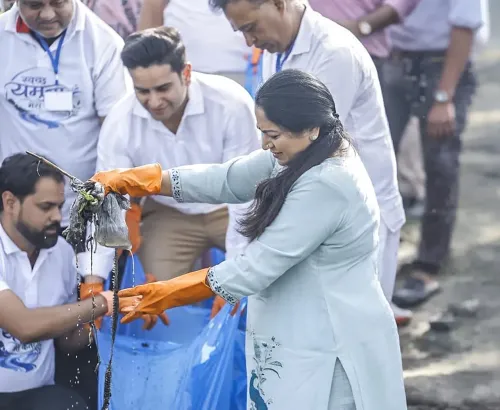
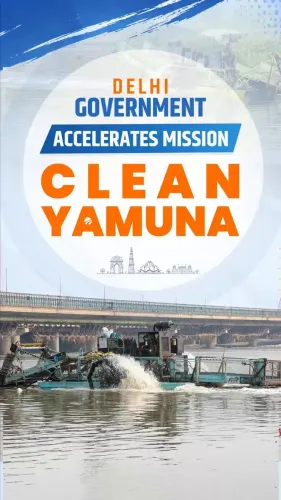
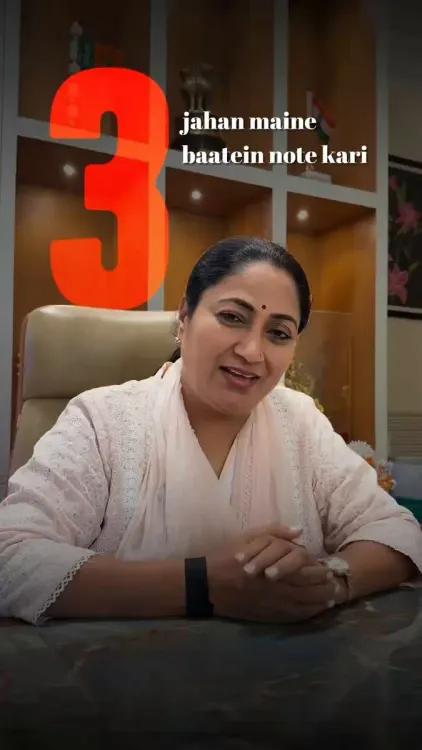
Delhi Chief Minister Rekha Gupta on 14 June 2026 praised a city-wide Yamuna cleanliness drive under #SwachhYamunaMeraKartavya, calling it proof that government effort paired with public participation can deliver a cleaner river and its ghats.
Key Takeaways
Delhi Chief Minister Rekha Gupta publicly thanked residents on 14 June 2026 after a Yamuna riverfront cleanliness drive.
The drive was conducted under the campaign hashtag #SwachhYamunaMeraKartavya , framing cleanliness as a civic duty.
CM Gupta emphasised that a cleaner Yamuna requires both government infrastructure and active public participation.
The initiative aligns with the national Swachh Bharat Mission (launched October 2014 ) and the Namami Gange programme's Yamuna abatement components.
Post-monsoon water-quality data and any Delhi Assembly budgetary follow-up will be key indicators of the drive's lasting impact.
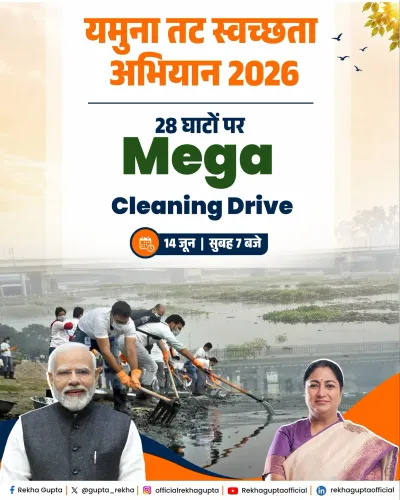
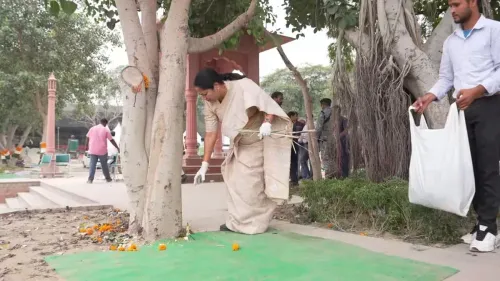
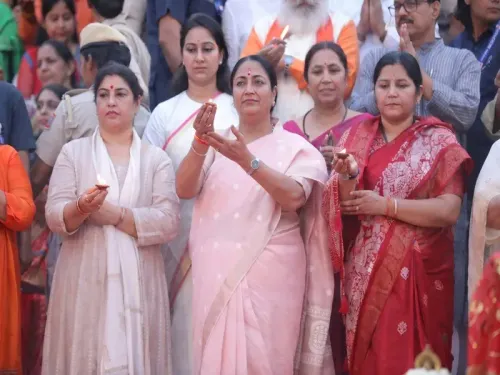
Delhi Chief Minister Rekha Gupta on Sunday, 14 June 2026 thanked residents of the capital after a city-wide cleanliness drive along the Yamuna riverfront, calling the turnout a demonstration of 'the extraordinary power of collective action.' The drive, conducted under the hashtag #SwachhYamunaMeraKartavya ('Swachh Yamuna is my duty'), brought together government machinery and public volunteers to clear waste from the river and its ghats.
Context
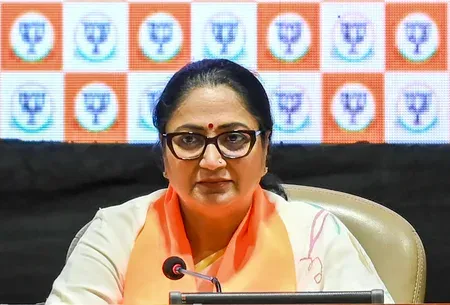
Posting on X, CM Gupta wrote: 'A cleaner Yamuna is possible when government efforts are strengthened by public participation, with each one of us contributing towards keeping our river and its ghats free from waste.' The message underlines a dual-track approach — state-led infrastructure combined with citizen behavioural change — that has become a signature of national cleanliness campaigns in recent years.
The Yamuna flows through the length of Delhi and has long borne the brunt of industrial effluents and domestic sewage. Its riverfront ghats are heavily used for religious and recreational activity, making sanitation drives both symbolically and practically significant for the capital's residents.
Policy Backdrop
The drive sits within two overlapping national frameworks. The Swachh Bharat Mission, launched in October 2014, was designed to pair official sanitation infrastructure with a public-duty ethic — precisely the combination CM Gupta invoked in her post. The Namami Gange programme, approved in 2014, included dedicated components for pollution abatement along the Yamuna's Delhi stretch, channelling central funds toward sewage treatment and riverbank restoration.
Successive administrations in Delhi have run seasonal Yamuna cleaning campaigns that pair municipal machinery with volunteer mobilisation. The June 2026 drive continues that pattern, with the added emphasis on civic ownership captured in the hashtag's framing of cleanliness as a personal duty (kartavya).
Stakeholders and Impact
Delhi's riverfront ghats serve millions of residents — from daily worshippers to morning walkers — making water quality and bank cleanliness a quality-of-life issue that cuts across income groups. Campaigns of this kind also have a downstream effect on community groups, resident welfare associations, and school programmes that are often mobilised as volunteer partners.
For the BJP-led state government, visible public participation in a Yamuna cleanup carries political weight in a city where the river's degraded state has been a persistent electoral talking point. Linking the drive to the Swachh Bharat Mission's vocabulary also reinforces alignment with the central government's flagship cleanliness agenda.
What's Next
Analysts and environmental advocates will watch for post-monsoon Yamuna water-quality data to assess whether ground-level drives translate into measurable improvements in dissolved oxygen levels and pollutant load. Any legislative or budgetary follow-up in the Delhi Assembly — such as enhanced allocations for ghat infrastructure or sewage treatment — will indicate whether Sunday's mobilisation marks the start of a sustained policy push or remains a one-day event.
The broader question is whether the public-participation model, championed at the national level since 2014, can be institutionalised at the municipal level in Delhi in a way that complements ongoing engineering interventions along the river.
Point of View
Signalling deliberate alignment between state and central BJP governments on the optics of urban environmentalism. For Delhi, where the Yamuna's condition has been a recurring electoral grievance, a visible public-participation moment gives the administration a counter-narrative to criticism of slow structural progress on sewage treatment. The real test will be whether this mobilisation is followed by measurable policy action — enhanced ghat infrastructure, stricter industrial discharge enforcement, or new Assembly allocations — rather than remaining a well-photographed one-day event.
NationPress
13 Sept 2026
Frequently Asked Questions
What is the #SwachhYamunaMeraKartavya campaign?
#SwachhYamunaMeraKartavya — meaning 'Swachh Yamuna is my duty' — is a citizen-engagement campaign framing Yamuna cleanliness as a personal civic responsibility, used to mobilise residents alongside government-led sanitation drives in Delhi.
What did Delhi CM Rekha Gupta say about the Yamuna cleanliness drive?
CM Rekha Gupta said the drive showed 'the extraordinary power of collective action' and stated that a cleaner Yamuna is possible when government efforts are strengthened by public participation in keeping the river and its ghats free from waste.
What is the Namami Gange programme and how does it relate to the Yamuna in Delhi?
Namami Gange is a central government programme approved in 2014 that includes dedicated components for pollution abatement along the Yamuna's Delhi stretch, covering sewage treatment upgrades and riverbank restoration funded by the central government.
How does the Swachh Bharat Mission connect to Delhi's Yamuna cleanup efforts?
The Swachh Bharat Mission, launched in October 2014, promotes combining official sanitation infrastructure with public behavioural change — the same dual-track model Delhi's government invoked in the June 2026 Yamuna drive.
What will show whether Delhi's Yamuna cleanup drives have a lasting impact?
Post-monsoon Yamuna water-quality data — measuring dissolved oxygen levels and pollutant load — along with any new budgetary allocations or legislative action in the Delhi Assembly, will indicate whether the drives produce sustained environmental improvement.