US-North Korea talks key first step to end nuclear standoff: Seoul
Synopsis
South Korea's Unification Minister is openly backing a Trump-Kim revival — but Pyongyang's response is a masterclass in strategic ambiguity. Kim Yo-jong dismissed US military exercise concessions as trivial, yet confirmed Kim Jong-un holds 'good memories' of Trump personally. That gap between personal warmth and policy hostility is exactly the space Seoul hopes diplomacy can exploit.
Key Takeaways
Unification Minister Chung Dong-young said on 20 August that direct US-North Korea dialogue is the essential first step to halting Pyongyang's nuclear programme.
US President Donald Trump stated he plans to meet Kim Jong-un later this year, referencing the three bilateral summits of his first term.
Kim Yo-jong called reductions in South Korea-US joint military exercises 'unworthy of comment,' but acknowledged Kim Jong-un has 'good memories and feelings' about Trump personally.
South Korean President Lee Jae Myung proposed inter-Korean war-ending talks in his Liberation Day address on Saturday .
The 1950–1953 Korean War ended with an armistice, not a peace treaty — a key unresolved issue at the heart of peninsula diplomacy.
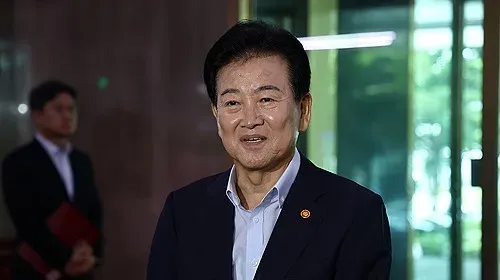
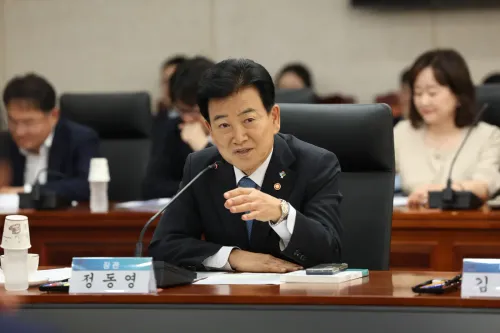
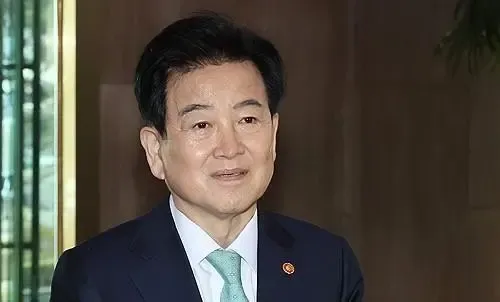
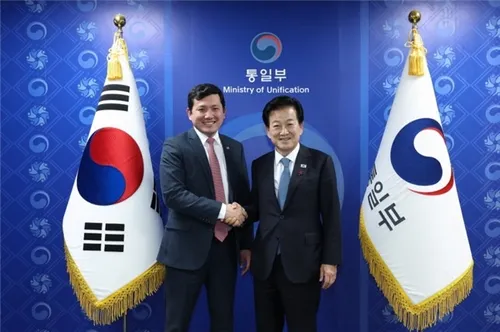
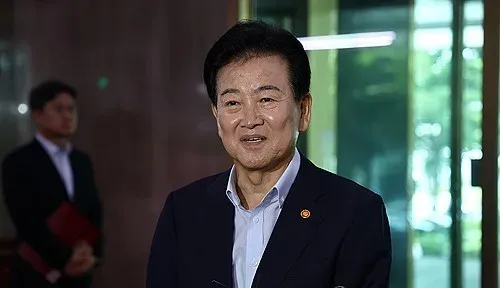
South Korea's Unification Minister Chung Dong-young said on Thursday, 20 August that direct dialogue between Washington and Pyongyang is the essential first step toward halting North Korea's nuclear weapons programme. He made the remarks while addressing reporters at the government complex in Seoul, as speculation mounts that US President Donald Trump may seek to revive personal diplomacy with North Korean leader Kim Jong-un.
What the Unification Minister Said
"The first gateway to stopping North Korea's nuclear programme is a meeting between the two sides, and we should work hard to support it," Chung said. He added, "Halting the programme is in the best interest of everyone involved."
Chung expressed hope that "the momentum between the two sides gets on track and expands into a framework" that eventually draws in South Korea and China as well — signalling Seoul's intent to be part of any emerging diplomatic architecture rather than a bystander.
Trump's Overture and Kim Yo-jong's Response
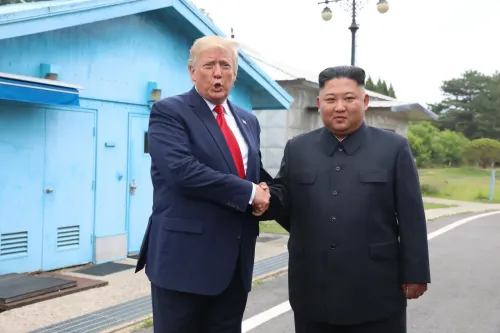
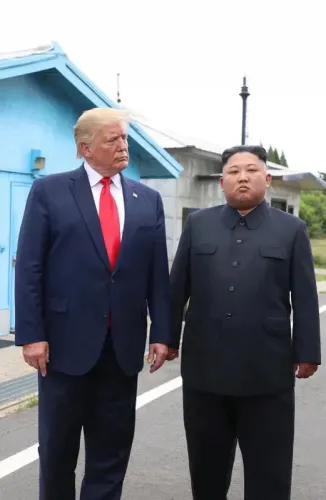
Trump reiterated on Wednesday (US time) that he maintains good relations with Kim Jong-un and stated he intends to meet the North Korean leader later this year, though he offered no further details. The remarks rekindled memories of the three bilateral summits the two leaders held during Trump's first term.
Hours later, Kim Yo-jong — the North Korean leader's powerful sister and a senior policy voice in Pyongyang — issued a statement that appeared to cool expectations. She called the reduction in South Korea-US joint military exercises "unworthy of comment," and said she was "not aware of" any direct communication between her brother and Trump. Yet she notably added that "our head of state has good memories and feelings about Trump personally" — a formulation that separates personal rapport from official policy hostility, and is widely read as leaving the door ajar.
Chung said it was "up to each person to interpret" Kim Yo-jong's statement, declining to characterise it as a flat rejection.
The Korean War Peace Treaty Question
South Korea's Unification Ministry stated that "the top priority is formally ending the war and establishing a peace regime, so the two sides do not have to fight each other." The 1950–1953 Korean War concluded with an armistice agreement, not a peace treaty — a legal ambiguity that has shadowed peninsula politics for more than seven decades.
On Saturday, South Korean President Lee Jae Myung, in his Liberation Day address, proposed that the two Koreas begin formal talks on ending the war and constructing a lasting peace regime on the peninsula — a proposal that aligns closely with the framework Chung outlined Thursday.
What Comes Next
Any substantive US-North Korea engagement would mark a significant shift from the current stalemate, in which Pyongyang has accelerated missile and nuclear tests while rejecting multilateral frameworks. Analysts note that Trump's transactional style could open a narrow window, but Kim Yo-jong's careful wording suggests Pyongyang will demand concrete concessions — particularly on military exercises — before committing to a summit. Seoul and Beijing's eventual inclusion, as Chung envisioned, would be a later-stage development contingent on early bilateral progress.
Point of View
Enough coldness to extract pre-conditions. Seoul's enthusiasm for a US-North Korea breakthrough is understandable — it is the party most exposed to the consequences of failure — but its push to eventually join the framework risks being sidelined in the early bilateral phase, as happened in 2018-19. The real test is whether any new engagement is built on verifiable benchmarks or reverts to the photo-opportunity diplomacy that collapsed at Hanoi.
NationPress
5 Oct 2026
Frequently Asked Questions
What did South Korea's Unification Minister say about US-North Korea talks?
Unification Minister Chung Dong-young said on 20 August that a direct meeting between Washington and Pyongyang is the 'first gateway' to stopping North Korea's nuclear programme. He urged both sides to pursue dialogue and expressed hope that any momentum would eventually expand to include South Korea and China.
Has Trump confirmed a meeting with Kim Jong-un?
US President Donald Trump said on Wednesday (US time) that he maintains good relations with Kim Jong-un and intends to meet him later this year, though he provided no further details. The statement revived speculation about a revival of the personal diplomacy that produced three summits during his first term.
How did North Korea respond to Trump's overture?
Kim Yo-jong, Kim Jong-un's sister and a senior North Korean policy figure, issued a statement dismissing reductions in South Korea-US military exercises as 'unworthy of comment' and said she was 'not aware of' direct communication between Kim and Trump. She did, however, say Kim holds 'good memories and feelings' about Trump personally — a formulation analysts read as leaving room for future engagement.
Why does a formal Korean War peace treaty matter?
The 1950–1953 Korean War ended with an armistice agreement, not a peace treaty, meaning the two Koreas remain technically at war. South Korea's Unification Ministry has identified formally ending the war and establishing a peace regime as the top priority for any new diplomatic framework.
What did South Korean President Lee Jae Myung propose on Liberation Day?
President Lee Jae Myung, in his Liberation Day address on Saturday, proposed that the two Koreas begin formal talks aimed at ending the war and building a lasting peace regime on the Korean peninsula — a proposal that aligns with the diplomatic framework Unification Minister Chung outlined on Thursday.