CM Rekha Gupta Leads 'Chalo Yamuna' Mega Cleanliness Drive at ITO
Synopsis
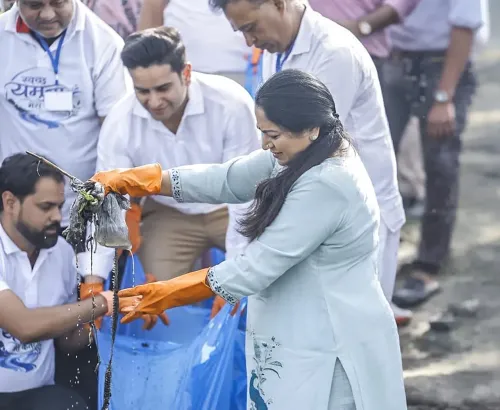
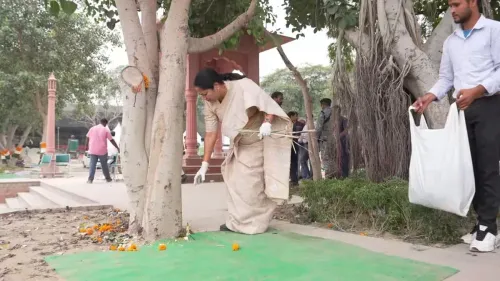
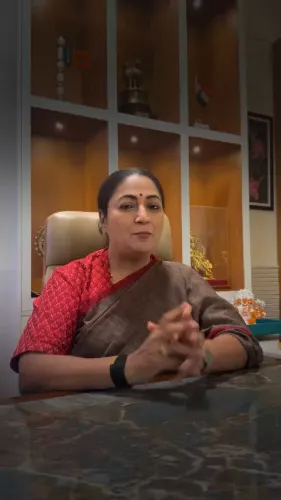
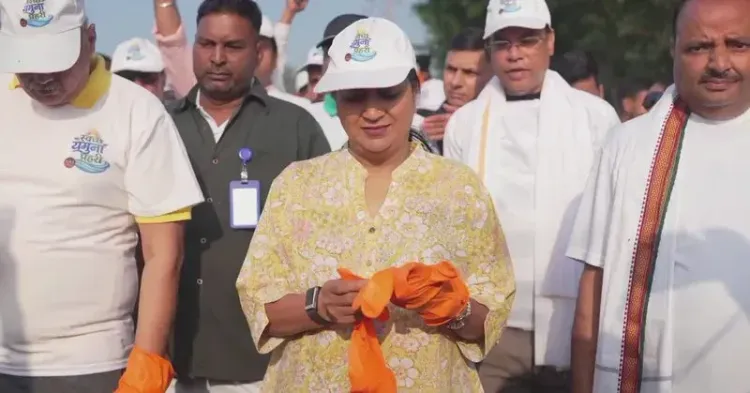
Delhi Chief Minister Rekha Gupta led the 'Chalo Yamuna' Mega Cleanliness Drive at Hathi Ghat, ITO on 18 October 2026, livestreaming it on X — the latest state-led effort to address the river's long-running pollution crisis.
Key Takeaways
Delhi Chief Minister Rekha Gupta led the 'Chalo Yamuna' Mega Cleanliness Drive on 18 October 2026 .
The drive was held at Hathi Ghat, ITO — a historic and heavily used stretch of the Yamuna riverbank in central Delhi.
CM Gupta livestreamed the drive on X , emphasising public visibility and citizen participation.
The event is part of a long lineage of Yamuna clean-up efforts that dates back to the Yamuna Action Plan of 1993 .
Post-drive water quality metrics and any follow-up maintenance schedule from the Delhi government will indicate whether the initiative has lasting impact.
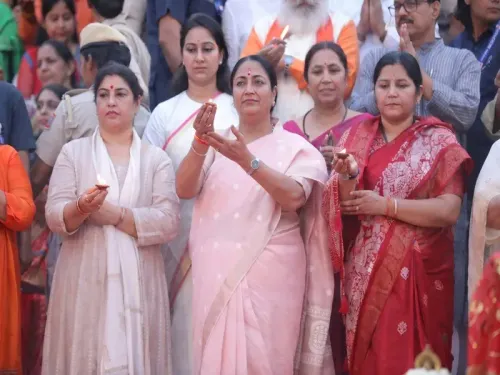
The Yamuna is Delhi's most contested waterway — a river that has endured decades of sewage discharge, industrial runoff, and political promises. On Sunday, 18 October 2026, Delhi Chief Minister Rekha Gupta stepped onto its banks to lead the 'Chalo Yamuna' Mega Cleanliness Drive at Hathi Ghat, ITO, livestreaming the effort directly to citizens as it unfolded.
What the 'Chalo Yamuna' drive looks like on the ground
Hathi Ghat, a historic stretch of the Yamuna riverbank near central Delhi, served as the focal point for the drive. The ITO zone — one of the city's busiest commercial and transport corridors — sits directly adjacent to the Yamuna's flow, making riverfront debris accumulation here a persistent civic challenge. By broadcasting the drive live, CM Gupta signalled a deliberate push for public visibility and citizen participation rather than a routine administrative exercise.
Three decades of plans, one stubborn river
The Yamuna's pollution crisis is not new. The Yamuna Action Plan, launched in 1993 under the National River Conservation Plan, was India's first structured effort to rehabilitate the river — yet the challenge has persisted through successive state and central governments. Delhi administrations since the 2000s have periodically organised riverfront cleanliness campaigns under various state-level environment initiatives, each one reflecting both genuine civic urgency and the political value of visible action on a cause that resonates deeply with Delhi's residents.
Urban river pollution in Indian megacities is a systemic problem: stormwater drains carry untreated sewage, industrial effluents seep in upstream, and riverbank encroachments limit natural filtration. A single cleanliness drive cannot resolve that architecture — but sustained drives, backed by follow-up water quality monitoring and maintenance schedules, can shift baseline conditions at specific ghats.
Why the ITO stretch matters
The ITO–Hathi Ghat corridor is among the most scrutinised sections of the Delhi Yamuna because of its centrality and its religious significance. Thousands of Delhiites use riverside ghats for daily rituals, festivals, and recreation. Poor water quality at visible public ghats carries both an environmental and a public-health dimension — and improvements here, if sustained, are immediately legible to ordinary citizens in a way that upstream treatment-plant upgrades are not.
What to watch next: official post-drive water quality metrics from this stretch, and whether the Delhi government announces a follow-up maintenance schedule — the markers that will determine whether 'Chalo Yamuna' is a moment or a movement.
Point of View
Owning the Yamuna narrative is strategically significant — the river's condition has been a persistent flashpoint in Delhi politics for years. The livestream format is a modern escalation of that visibility calculus, turning a civic drive into a real-time public engagement exercise. Whether this iteration translates into measurable, sustained improvement at the ITO stretch will be the true test of its policy weight.
NationPress
18 Oct 2026
Frequently Asked Questions
What is the 'Chalo Yamuna' drive launched by CM Rekha Gupta?
'Chalo Yamuna' is a Mega Cleanliness Drive organised by Delhi Chief Minister Rekha Gupta at Hathi Ghat, ITO on 18 October 2026 to clean the Yamuna riverbank. The event was broadcast live on X for public participation.
Where is Hathi Ghat in Delhi?
Hathi Ghat is a historic ghat on the Yamuna riverbank in central Delhi, located near the ITO area, and is frequently used for community and religious activities.
What is the history of Yamuna clean-up efforts in Delhi?
The Yamuna Action Plan was launched in 1993 as India's first structured effort to tackle the river's pollution under the National River Conservation Plan. Delhi governments have since run periodic riverfront cleanliness drives, though the river's pollution remains a major challenge.
Who is Rekha Gupta, the Delhi Chief Minister?
Rekha Gupta is a BJP leader who serves as the Chief Minister of Delhi. She has been associated with multiple public outreach and civic initiatives since taking office.
Why is the ITO stretch of the Yamuna significant?
The ITO–Hathi Ghat corridor is one of the most visible and frequently used sections of the Delhi Yamuna, carrying both environmental and public-health significance. Improvements at this centrally located stretch are immediately visible to a large number of Delhi residents.