Tharoor flags voter marked dead by ECI at CEC accountability event
Synopsis
Congress MP Dr. Shashi Tharoor highlighted the case of Kunne Lal from Lal Gumbad, a voter officially declared dead by the Election Commission of India, who appeared in person at a public accountability event targeting CEC Gyanesh Kumar — spotlighting chronic errors in India's electoral rolls.
Key Takeaways
Kunne Lal , a resident of Lal Gumbad , was officially declared deceased by the Election Commission of India in the electoral rolls despite being alive.
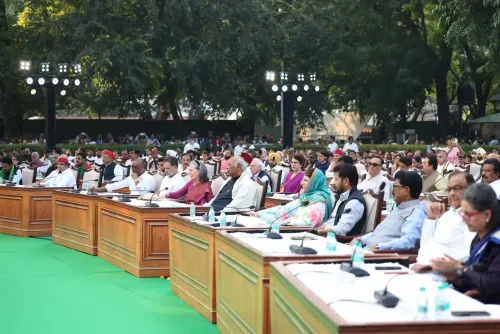
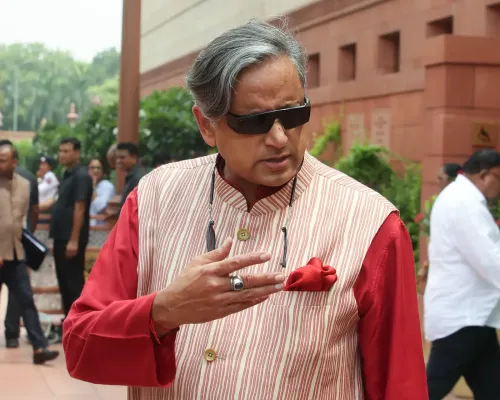
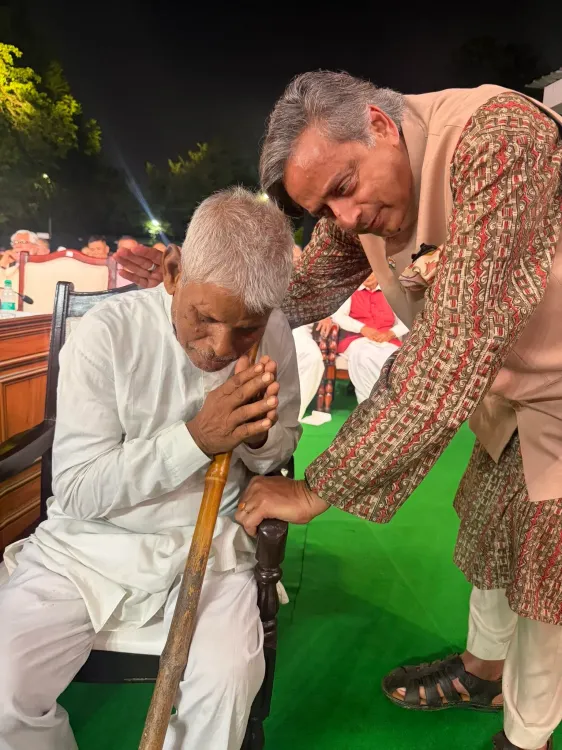
Shashi Tharoor posted three images of Kunne Lal attending the #PublicImpeachment event targeting CEC Gyanesh Kumar on 31 October 2026 .
Erroneous deletion of living voters from electoral rolls has been documented across multiple Indian election cycles under the Representation of the People Act .
Opposition parties have increasingly used individual cases of roll inaccuracies to question the institutional credibility of the Election Commission.
India's electoral rolls cover over 960 million registered electors , making quality control a significant administrative challenge.
No formal response from the ECI regarding Kunne Lal's specific voter record has been issued as of this report.
A living man declared dead on India's electoral rolls walked into a public accountability gathering — and Congress MP Dr. Shashi Tharoor made sure the country saw it. On Saturday, 31 October 2026, Tharoor posted images on X of Kunne Lal, a resident of Lal Gumbad, attending what was billed as a #PublicImpeachment of Chief Election Commissioner (CEC) Gyanesh Kumar — despite the Election Commission of India (ECI) having officially recorded him as deceased in the electoral rolls.
A voter the ECI erased — except he turned up in person
Tharoor's post cuts to the chase with biting directness: 'Kunne Lal, a resident of Lal Gumbad, has been declared DEAD by the Election Commission of India, but here he is at the #PublicImpeachment of CEC Gyanesh Kumar!' Three images accompanied the post, showing the individual at the event. The irony is precise and pointed — the man the state had officially written off as dead was very much present to demand accountability from the institution that erased him.
Erroneous deletion of living voters from electoral rolls is not a new phenomenon in Indian elections. The ECI conducts periodic revision of rolls under the Representation of the People Act, and over multiple election cycles, opposition parties, civil society groups, and individual voters have documented cases where active, living citizens were marked as deceased — effectively disenfranchising them without notice or recourse. In almost every documented case, the burden of correction falls entirely on the voter.
The #PublicImpeachment event and what it signals
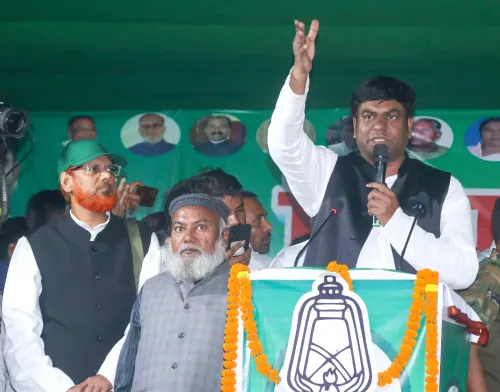
The gathering Kunne Lal attended — framed as a 'Public Impeachment' of CEC Gyanesh Kumar — reflects a sharpening opposition effort to hold the Election Commission's top leadership publicly accountable. Opposition figures have in recent months questioned the CEC's impartiality and the integrity of electoral administration, claims the Commission has not formally addressed in detail. Such events, while carrying no constitutional weight, are designed to generate political and public pressure.
By amplifying Kunne Lal's case in this specific setting, Tharoor ties a granular, human story — one resident, one locality, one wrongly deleted name — to the larger structural argument that roll inaccuracies are not clerical accidents but symptoms of institutional failure. That argument lands harder with a face and a location attached.
What the ECI's roll-revision process allows — and misses
Under existing law, the ECI has the authority to add, delete, and correct voter entries through its annual summary and special revision exercises. Deletions of deceased voters are supposed to be based on verified death records submitted by local authorities. When that verification chain breaks down — or when records are submitted carelessly or manipulatively — living voters lose their franchise with no immediate alert. India's voter rolls cover over 960 million registered electors, making systematic quality control a genuine logistical challenge, though critics argue that scale makes rigour more, not less, critical.
Whether the ECI responds to the specific case of Kunne Lal — with a formal correction, an explanation of how his name was marked deceased, or an inquiry into whether the error was isolated or part of a pattern — will determine how much traction this story gets beyond the rally itself. The man is alive. The record said otherwise. That gap is the story.
Point of View
Verifiable human story that the public can grasp instantly. By surfacing it at a 'Public Impeachment' event rather than a press conference, Tharoor and his allies are escalating from complaint to spectacle — a shift that signals the opposition believes electoral-roll integrity is a winneable political issue. For the Election Commission, each undisputed case of a living voter marked dead chips away at the credibility of the entire roll-revision architecture. The CEC's silence, if it continues, may prove more damaging than any rebuttal.
NationPress
31 Oct 2026
Frequently Asked Questions
How does the Election Commission of India mark a voter as deceased?
The ECI relies on death records submitted by local civic authorities during its annual summary and special revision exercises under the Representation of the People Act. If those records are inaccurate or submitted carelessly, living voters can be wrongly deleted from the rolls.
What is the #PublicImpeachment of CEC Gyanesh Kumar?
The #PublicImpeachment is a political accountability event organised by opposition figures and civil society groups to publicly challenge the conduct and impartiality of Chief Election Commissioner Gyanesh Kumar. It carries no constitutional or legal force but is intended to generate public and political pressure.
Can a voter get their name restored if wrongly deleted from electoral rolls?
Yes. A voter whose name has been wrongly deleted can file a claim for restoration with the Electoral Registration Officer of their constituency. However, the burden of proof and the process of correction falls on the affected voter, which critics argue is inadequate.
Why does Shashi Tharoor highlight electoral roll errors?
As a Congress MP and vocal opposition voice, Tharoor has consistently flagged what he characterises as administrative lapses by the Election Commission, arguing that inaccuracies in electoral rolls amount to institutional bias that disenfranchises real voters.
How common are errors in India's voter list?
Cases of living voters marked deceased, duplicate entries, and wrongly deleted names have surfaced across multiple election cycles in India. With over 960 million registered electors, even a small error rate translates into a very large number of affected individuals.