Congress holds mock impeachment of CEC Gyanesh Kumar, demands removal
Synopsis
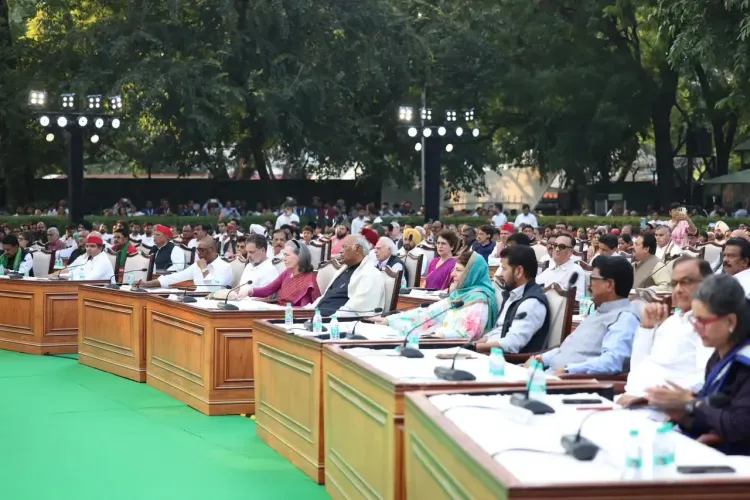
The Congress turned Mallikarjun Kharge’s residence into a mock Parliament on 31 October, staging symbolic impeachment proceedings against CEC Gyanesh Kumar — complete with a Speaker’s dais, former Lok Sabha Speaker Meira Kumar presiding, and six formal charges including the alleged deletion of 13.2 crore voters. It carries no legal weight, but signals the opposition’s intent to make Election Commission neutrality a defining issue before the next round of state polls.
Key Takeaways
The Congress held symbolic ‘public impeachment proceedings’ against CEC Gyanesh Kumar on 31 October at Mallikarjun Kharge’s official residence in New Delhi .
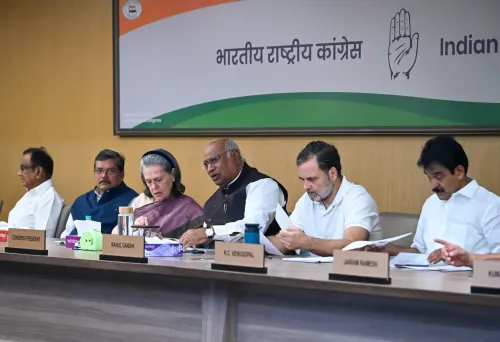
Former Lok Sabha Speaker Meira Kumar chaired the mock session; the venue replicated the Lok Sabha interior.
Six charges were levelled, including the alleged deletion of 13.2 crore voters and rewriting of Form 6 without Parliamentary approval.
Kharge demanded Kumar’s ‘immediate removal,’ a halt to the SIR of electoral rolls, and cancellation of the Election Commissioners Act, 2023 .
The INDIA bloc claims to represent 60 per cent of India’s population; the proceedings carry no legal force.
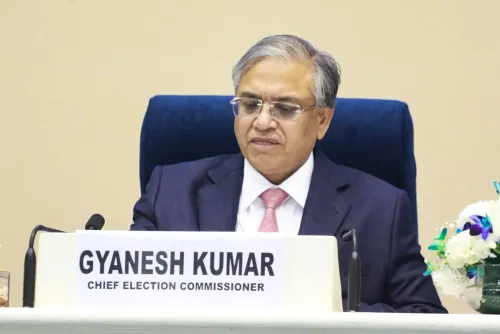
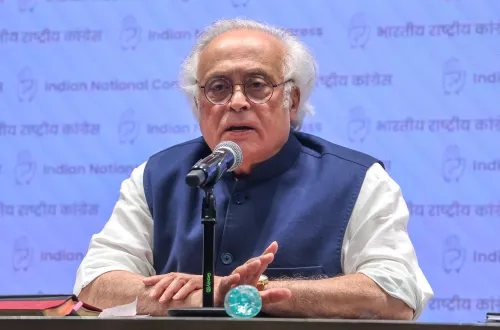
The Indian National Congress on Saturday, 31 October staged symbolic ‘public impeachment proceedings’ against Chief Election Commissioner (CEC) Gyanesh Kumar at the official residence of party president Mallikarjun Kharge in New Delhi, formally demanding Kumar’s removal and accusing him of ‘treason against the nation and Constitution.’ The theatrical event drew participation from INDIA bloc allies and was designed to mirror the interior of the Lok Sabha, complete with a Speaker’s dais.
How the Proceedings Unfolded
Former Lok Sabha Speaker Meira Kumar chaired the mock session, lending a degree of institutional symbolism to what was otherwise a political demonstration. Kharge opened by reading out six formal charges against the CEC and moved a resolution for debate and passage. INDIA bloc members responded by thumping desks and raising slogans including ‘Vote Chor, Gaddi Chhod’ as the resolution was tabled.
The Six Charges Against Gyanesh Kumar
The resolution alleged that Gyanesh Kumar had conspired to steal elections; deleted 13.2 crore voters from electoral rolls; rewrote Form 6 without Parliamentary approval; seized electoral rolls through the ECINET platform; shut out the other two Election Commissioners from decision-making; and acted at the behest of Prime Minister Narendra Modi and Home Minister Amit Shah. The Congress did not present documentary evidence at the event, and the Election Commission of India has not publicly responded to these specific allegations.
What the Congress Demanded
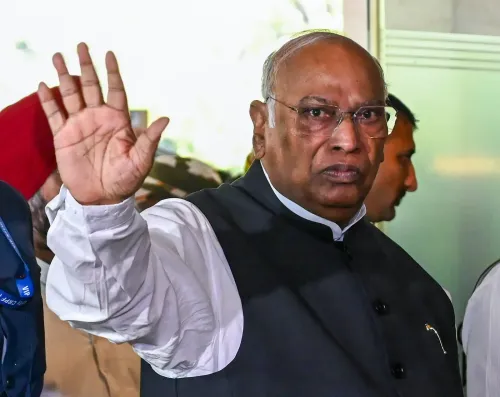
Kharge called for the ‘immediate removal’ of Gyanesh Kumar and demanded that the Special Intensive Revision (SIR) of electoral rolls be halted at once. He also sought the cancellation of the Chief Election Commissioner and other Election Commissioners (Appointment, Conditions of Service and Term of Office) Act, 2023, which critics argue grants lifelong legal protection to election commissioners and insulates them from accountability. Kharge said, ‘We want to save the foundation of democracy which is being threatened by the BJP.’
The Broader Political Context
Kharge also attacked the government over what he described as the wrongful accusation of Congress leader Rahul Gandhi of inciting youth, and trained his criticism on the Rashtriya Swayamsevak Sangh (RSS) for its alleged historical opposition to adult franchise since the adoption of the Constitution. He asserted that INDIA bloc members collectively represent 60 per cent of the country’s population, framing the mock proceedings as a democratic mandate rather than a partisan exercise. This comes amid a sustained Congress campaign questioning the neutrality of the Election Commission ahead of upcoming state elections.
What Happens Next
The symbolic proceedings carry no legal force, and the removal of a Chief Election Commissioner requires a process analogous to that of a Supreme Court judge — a motion supported by a special majority in Parliament, which the opposition currently does not command. The Congress’s escalation signals, however, that the Election Commission’s credibility will remain a central political battleground in the months ahead, with the INDIA bloc likely to intensify pressure through public forums and parliamentary channels.
Point of View
But it risks conflating legitimate institutional concerns with performative opposition. The charges — particularly the alleged deletion of 13.2 crore voters and ECINET seizure of rolls — are serious enough to warrant a formal parliamentary inquiry, yet the party chose spectacle over a privilege motion or a Supreme Court petition. That choice tells its own story: the opposition may lack the numbers for a real motion but is betting that sustained public theatre will erode the Election Commission’s credibility before the next electoral cycle. Whether that strategy builds democratic accountability or merely deepens institutional distrust is a question mainstream coverage has largely avoided.
NationPress
31 Oct 2026
Frequently Asked Questions
What were the Congress’s public impeachment proceedings against CEC Gyanesh Kumar?
They were a symbolic political event held on 31 October at Congress president Mallikarjun Kharge’s official residence in New Delhi, designed to mirror Lok Sabha proceedings. The Congress and INDIA bloc allies levelled six charges against Chief Election Commissioner Gyanesh Kumar and passed a resolution demanding his removal, though the event carries no legal or constitutional force.
What are the six charges Congress levelled against Gyanesh Kumar?
The resolution alleged that Gyanesh Kumar conspired to steal elections, deleted 13.2 crore voters from electoral rolls, rewrote Form 6 without Parliamentary approval, seized electoral rolls through ECINET, excluded the other two Election Commissioners from decisions, and acted at the direction of PM Narendra Modi and Home Minister Amit Shah. The Election Commission has not publicly responded to these specific allegations.
Can the Congress actually remove the Chief Election Commissioner?
No. Removing a CEC requires a parliamentary process similar to that for a Supreme Court judge — a motion backed by a special majority in both Houses. The INDIA bloc does not currently command that majority, making the proceedings purely symbolic.
What law did the Congress demand be cancelled?
The Congress demanded the cancellation of the Chief Election Commissioner and other Election Commissioners (Appointment, Conditions of Service and Term of Office) Act, 2023, which critics argue provides lifelong legal protection to election commissioners and limits accountability mechanisms.
Why is this politically significant?
The event signals that the opposition intends to make Election Commission neutrality a central issue ahead of upcoming state elections. By framing the CEC as a threat to democracy and the Constitution, the Congress and INDIA bloc are attempting to shape public perception of electoral institutions in the run-up to future polls.