Tharoor Demands ECI Apology Over Software Denying Dialysis, Transplants

Synopsis
Congress MP Dr. Shashi Tharoor has demanded a public apology, official resignations, and an immediate rollback of ECI election-management software, alleging it is stripping citizens of constitutional voting rights and blocking life-critical medical benefits including dialysis and organ transplants.
Key Takeaways
Shashi Tharoor tagged @ECISVEEP on September 24, 2026 , calling the situation 'unconscionable.' He alleged the software deprives citizens of constitutional rights and blocks access to dialysis and organ transplants.
Tharoor demanded an apology to the nation , resignations of responsible officials, and a full rollback of the 'disastrous software.' The Election Commission's ERONET system , launched in 2018 , has previously drawn complaints about erroneous voter-list deletions affecting welfare access.
The electoral-database-to-welfare-scheme link means identity errors can block patients from life-sustaining benefits in real time.
The matter could be raised in the next session of Parliament and may invite judicial scrutiny.
When a faulty electoral database starts blocking kidney patients from dialysis, a software glitch stops being a technical inconvenience — it becomes a constitutional emergency. On Thursday, September 24, 2026, Congress MP Dr. Shashi Tharoor levelled a blistering charge at the Election Commission of India (ECI), alleging that defective election-management software is stripping Indian citizens of both their voting rights and access to life-sustaining medical benefits, including dialysis treatments and organ transplants.
The Charge: Electoral Software Blocking Welfare Benefits
Tharoor did not mince words. 'This is extremely serious and involves depriving Indian citizens of their constitutional rights, as well as withholding essential humanitarian benefits, from dialysis treatments to transplants,' he posted, tagging the Commission's official handle @ECISVEEP. He called the conduct not merely 'political chicanery' but 'inhumane' and 'unconscionable' — a deliberate escalation beyond the usual register of electoral complaints.
His demands were sharply tiered: an immediate public apology from the Election Commission to affected citizens and 'to the nation,' the resignation of responsible officials as 'a minimal demand,' and — critically — the rescinding of the software itself along with active steps to 'undo the harm it has caused.' The framing made clear he considers administrative accountability insufficient without material correction.
How Electoral Databases Bleed Into Welfare Systems
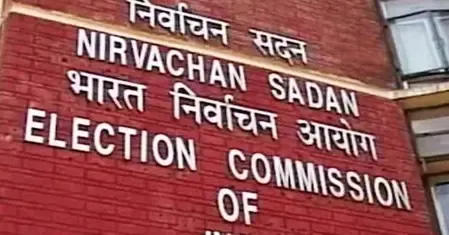
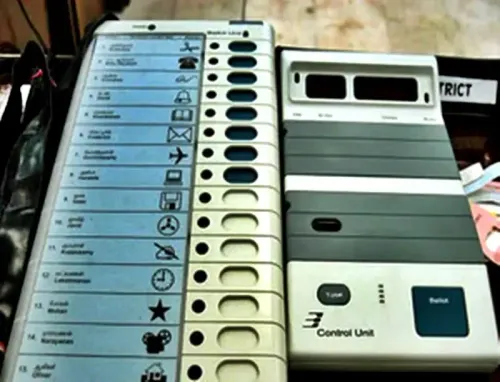
The concern has a documented lineage. The Election Commission rolled out its ERONET software in 2018 for centralised management of electoral rolls and voter applications. Over successive election cycles, opposition MPs and civil society groups have raised alarms about technology-driven revisions to voter lists triggering erroneous deletions — with downstream consequences for citizens whose identity verification across welfare portals is linked to the same database. When a voter entry is wrongly removed or corrupted, beneficiaries can find themselves locked out of schemes that require a live, matching electoral record.
The intersection Tharoor highlights — electoral-roll errors cascading into denial of medical benefits for kidney patients and transplant candidates — represents the starkest possible version of that failure. For a patient dependent on regular dialysis, a bureaucratic identity mismatch is not an inconvenience to appeal later; it is an immediate threat to survival.
What the Election Commission Must Now Answer
Tharoor's post puts the Election Commission in an unusually difficult position. Defending a software system while patients allege they are being denied dialysis is a communications and legal exposure the Commission has rarely faced at this pitch. The constitutional dimension — the right to vote is a fundamental feature of democratic citizenship, and welfare entitlements derive from statutory guarantees — elevates the matter beyond the Commission's usual administrative terrain into territory that Parliament and, potentially, the courts may need to address.
Any formal corrective order from the Commission, a statement from the government on electoral-database integration with welfare schemes, or a discussion in the next session of Parliament on electoral-roll management will be closely watched. The clock, for the patients caught in this system, is already running.
Point of View
Particularly given the constitutional weight of voter-rights arguments. If the Election Commission does not respond substantively, the courts become the logical next arena.
NationPress
24 Sept 2026
Frequently Asked Questions
What is Shashi Tharoor saying about the Election Commission software?
Dr. Tharoor alleges that defective ECI election-management software is both erasing citizens from electoral rolls and, as a consequence, blocking them from essential welfare benefits such as dialysis treatment and organ transplants. He has demanded an apology, resignations, and a full rollback of the software.
How can electoral software affect dialysis or medical benefits?
Many government welfare and healthcare schemes require identity verification against live electoral or Aadhaar-linked databases. If a voter entry is wrongly deleted or corrupted by election-roll software, the same mismatch can lock a beneficiary out of welfare portals, including those providing subsidised dialysis or transplant support.
What is ERONET and when was it introduced?
ERONET is the Election Commission of India's centralised software platform for managing electoral rolls and voter applications. It was rolled out in 2018 and has been used across multiple election cycles for voter-list revisions and additions.
What has Tharoor demanded from the Election Commission?
He has demanded three things: a public apology to affected citizens and to the nation; the resignation of officials responsible for the software; and the immediate rescinding of the software along with active steps to reverse the harm it has caused.
Has the Election Commission responded to Tharoor's allegations?
As of the time of publication, no formal response from the Election Commission has been issued. Any corrective order or official statement from the Commission will be a key development to watch in the coming days.