How Can ECI Simplify Technological Applications for SIR in Bengal?
Synopsis
As the Election Commission of India reaches out for feedback from district officials, the quest to simplify technology in the Special Intensive Revision process raises critical questions about user-friendliness and transparency. This initiative aims to address concerns and streamline voter engagement.
Key Takeaways
The ECI is actively seeking to simplify technological applications used in electoral processes.
Concerns regarding user-friendliness have been raised by district officials.
Allegations of voter suppression have emerged, prompting the need for transparency.
Hearings for logical discrepancy cases will commence on January 13.
The final voters' list will be published on February 14.
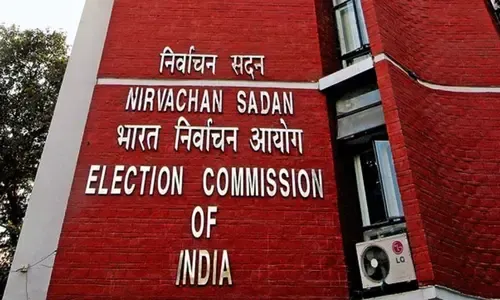
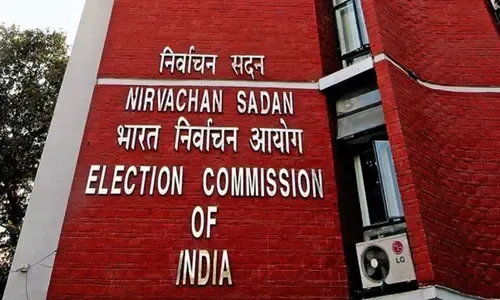
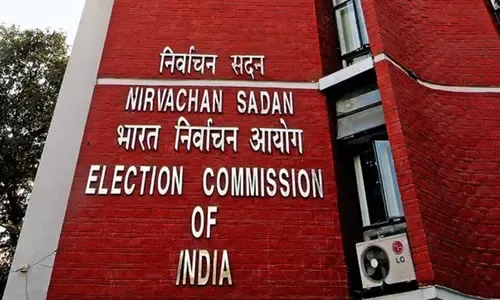
Kolkata, Jan 7 (NationPress) - The Election Commission of India (ECI) has reached out to the District Magistrates (DMs) and District Electoral Officers (DEOs) to gather insights on enhancing the ease of using technological applications for the ongoing Special Intensive Revision (SIR) in West Bengal.
Sources from the office of the Chief Electoral Officer (CEO) of West Bengal explained that the input from DMs and DEOs was necessary due to two main reasons.
The first reason stems from concerns voiced by some DEOs regarding the user-friendliness of certain technological applications implemented in the revision process. They noted that subordinate electoral officials, including Electoral Registration Officers (EROs), Assistant Electoral Registration Officers (AEROs), and Booth-Level Officers (BLOs), found these applications to be rather complex.
The second reason is to respond to allegations from the Trinamool Congress and West Bengal Chief Minister Mamata Banerjee that the technological tools, such as those utilizing Artificial Intelligence (AI) in the revision process, were intentionally designed to remove the names of valid voters from the final electoral rolls.
Recently, the Chief Minister asserted that the application employed by the ECI during the ongoing SIR in the state was crafted by the Information Technology Cell of the Bharatiya Janata Party (BJP).
According to sources from the CEO's office, higher officials from the Commission assured both DMs and DEOs that their recommendations on simplifying these technological solutions would be executed to the maximum extent feasible.
Simplifying these technological applications will facilitate a more efficient and streamlined process for handling cases classified as “logical discrepancy” for voters.
As the hearings for “unmapped” voters near completion, the notification process for “logical discrepancy” voters has already begun as of Tuesday.
Hearings for cases labeled as “logical discrepancy” are scheduled to commence on January 13. The final electoral list for West Bengal is set to be published on February 14, necessitating the conclusion of hearings for “logical discrepancy” cases within a month.
Point of View
The Election Commission's initiative to solicit feedback from district officials is a proactive step towards enhancing electoral transparency and efficiency. While the concerns over technological complexities and allegations of voter suppression must be addressed, this endeavor reflects a commitment to refining electoral processes. It is crucial that all stakeholders work together to ensure a fair and accessible voting experience for every citizen.
NationPress
27 Sept 2026
Frequently Asked Questions
What is the purpose of ECI seeking suggestions from DEOs?
The ECI aims to simplify technological applications used in the Special Intensive Revision process to address complaints about usability and allegations regarding voter suppression.
When will the hearings for logical discrepancy cases begin?
Hearings for cases categorized as logical discrepancy are set to start on January 13.
What are the concerns raised by district officials?
District officials have expressed that the technological applications introduced are complicated and not user-friendly for subordinate electoral officers.
When will the final voters' list be published?
The final voters' list for West Bengal is scheduled to be published on February 14.
Who is alleging that the technology used is biased?
The allegations regarding bias in the technological applications used come from the Trinamool Congress and Chief Minister Mamata Banerjee.