Ahmedabad Ma Vatsalya Milk Bank: 2,042 mothers donate 434 litres, save 451 newborns
Synopsis
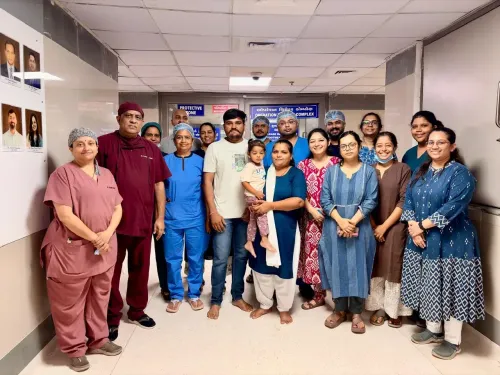
Since its launch in August 2025, Ahmedabad Civil Hospital's Ma Vatsalya Milk Bank has become a lifeline for 451 vulnerable newborns — powered by 2,042 volunteer donor mothers who gave 434 litres, often while managing their own critically ill babies.
Key Takeaways
The Ma Vatsalya Milk Bank at Ahmedabad Civil Hospital has been operational since 28 August 2025 .
2,042 mothers have donated a total of 434 litres of breast milk, benefiting 451 newborns .
Beneficiaries include premature and low-birth-weight infants requiring extended neonatal intensive care.
A baby born at just 815 grams was discharged on the 44th day weighing 1.25 kg after intensive care and donor milk support.
Civil Superintendent Dr Rakesh Joshi called the programme an example of humanity in action.
Ahmedabad's Civil Hospital breast milk donation programme has supported the survival and recovery of 451 newborn babies through the collection of 434 litres of human milk donated by 2,042 mothers, according to hospital officials. The initiative, running since 28 August 2025, has become a critical lifeline for premature and critically ill infants whose mothers are unable to breastfeed.
About the Ma Vatsalya Milk Bank
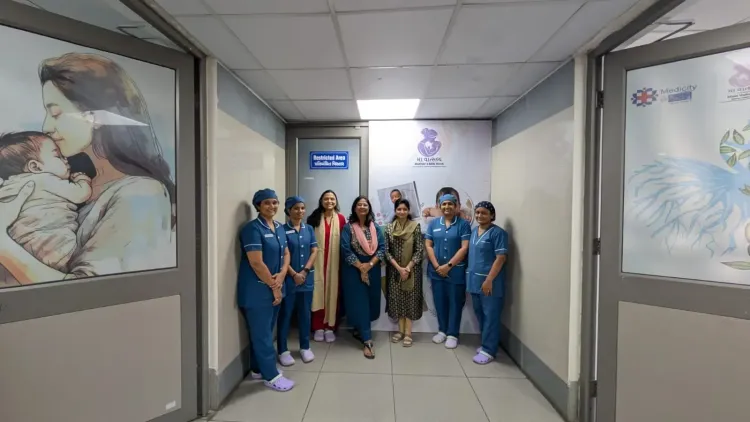
The Ma Vatsalya Milk Bank operates within the 1,200-bed Civil Hospital in Ahmedabad, staffed by neonatal care teams working across the hospital's intensive care units. The bank collects, processes, and distributes donated breast milk to premature and low-birth-weight infants requiring specialised nutritional support during extended hospitalisation.
Dr Sucheta Munshi, in charge of the milk bank, underscored the irreplaceable value of human milk for vulnerable newborns. She said: "Mother's milk is equivalent to nectar for a newborn baby. Since the facility's inception, 2,042 mothers have donated breast milk not only for their own children but also for other needy babies. A total of 434 litres has been collected, benefiting 451 newborns."
Donor Mothers and Their Stories
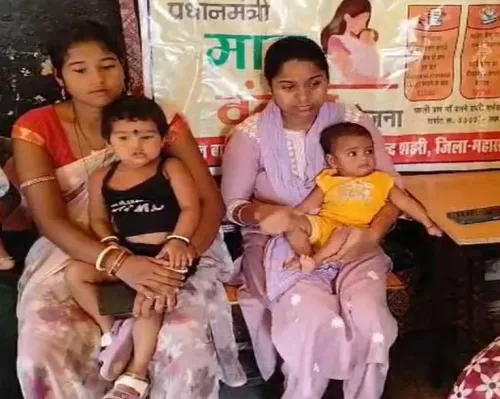
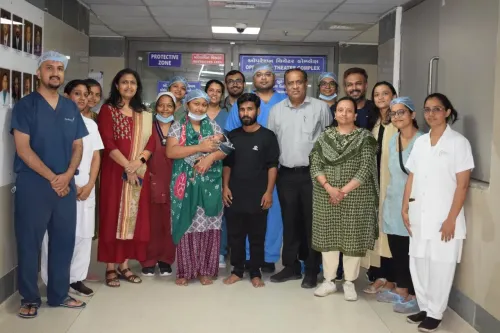
Hospital authorities cited several cases illustrating the programme's human impact. Manjulaben's newborn underwent surgery after suffering a severe blood infection and intestinal obstruction, remaining admitted for 32 days, during which she donated 24 litres of breast milk. Similarly, Krishnaben's premature and underweight baby required specialised care for 40 days, with the mother also contributing 24 litres.
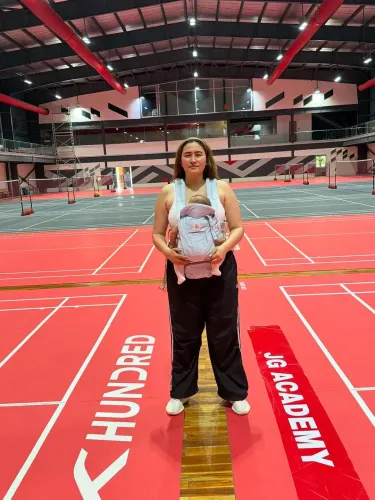
Punitaben, who gave birth to premature twins in fragile condition, donated 13 litres within the first 40 days while simultaneously caring for both children, who later recovered. In another case, Pooja Patel's baby was born weighing just 815 grams and required intensive neonatal care, including surfactant therapy and 12 days of CPAP support. Patel continued expressing milk for donation while providing Kangaroo Mother Care for 10 to 12 hours daily. The baby was discharged on the 44th day, weighing 1.25 kilograms.
Medical Significance
Doctors at the hospital noted that breast milk plays a critical role in strengthening immunity and supporting the physical and neurological development of newborns, particularly in premature and low-weight infants. The milk bank addresses a gap that arises when critically ill mothers are physically unable to breastfeed immediately after delivery. Notably, human milk banks are recognised by the World Health Organization (WHO) and the Indian Academy of Pediatrics as a best-practice intervention for reducing neonatal mortality in resource-constrained settings.
What Hospital Leadership Said
Civil Superintendent Dr Rakesh Joshi described the initiative as both a medical necessity and a social contribution. He said: "This service is not only healthcare support but also an example of humanity in action. Due to government efforts and community participation, hundreds of children are moving towards healthy lives."
What's Next
With the programme demonstrating measurable outcomes since its launch in August 2025, hospital authorities are expected to scale outreach efforts to encourage more voluntary donors. The success of the Ma Vatsalya Milk Bank could serve as a replicable model for public hospitals across Gujarat and potentially other states.
Point of View
And human milk banks are one of the most cost-effective public health interventions available. The Ma Vatsalya Milk Bank's outcomes — 451 infants supported in under a year — demonstrate strong community willingness when programmes are well-organised and hospital-led. Yet such banks remain rare in government facilities outside major cities. Scaling this model to district-level hospitals, where neonatal mortality is highest, demands policy commitment that goes well beyond individual institutional initiatives.
NationPress
25 Sept 2026
Frequently Asked Questions
What is the Ma Vatsalya Milk Bank at Ahmedabad Civil Hospital?
The Ma Vatsalya Milk Bank is a human breast milk donation facility at the 1,200-bed Civil Hospital in Ahmedabad, operational since 28 August 2025. It collects donated milk from volunteer mothers and distributes it to premature and critically ill newborns whose mothers are unable to breastfeed.
How many babies have benefited from the milk bank?
As of the latest update, 451 newborns have benefited from the programme, supported by 434 litres of breast milk donated by 2,042 mothers since August 2025.
Who donates to the Ma Vatsalya Milk Bank?
Mothers associated with Ahmedabad Civil Hospital who produce surplus breast milk donate voluntarily. Several donor mothers cited by hospital authorities were themselves managing critically ill or premature babies during the donation period.
Why is breast milk especially important for premature babies?
Breast milk provides critical immune protection, nutrients, and growth factors vital for premature and low-birth-weight infants. Doctors at Civil Hospital noted it supports both physical and neurological development in vulnerable newborns.
Can this milk bank model be replicated in other Indian hospitals?
Hospital officials suggest the programme's success could serve as a model for other public hospitals in Gujarat and across India, though scaling would require dedicated staffing, equipment, and sustained policy support at the state level.