Ahmedabad Civil Hospital child eats for first time after rare oesophagus surgery
Synopsis
A toddler born without a functional oesophagus ate through his mouth for the first time — 23 days after a gastric pull-up procedure at Ahmedabad Civil Hospital. The surgery, which can cost lakhs at private facilities, was performed free of cost. It is the seventh such complex case the hospital's paediatric team has completed in a year.
Key Takeaways
Mantavya , born on 7 November 2023 with Pure Oesophageal Atresia , ate through his mouth for the first time after surgery at Ahmedabad Civil Hospital .
The gastric pull-up reconstructive surgery was performed on 3 July 2025 by a team led by Dr Rakesh Joshi .
The child began eating orally 23 days after the operation and was discharged in good health.
Pure Oesophageal Atresia affects approximately 1 in 2,500–4,000 live births; the gastric pull-up procedure has an 85–90% reported success rate.
The surgery is available free of cost at Ahmedabad Civil Hospital; the team has completed 7 such cases in the past year.
A two-and-a-half-year-old boy born without a functional oesophagus has eaten through his mouth for the first time, following a complex reconstructive procedure at Ahmedabad Civil Hospital in Gujarat. The milestone, achieved 23 days after surgery, marks a significant outcome for the hospital's paediatric surgery department, officials confirmed on 2 August 2025.
The Condition and Early Interventions
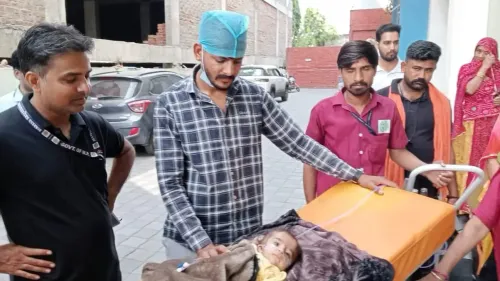
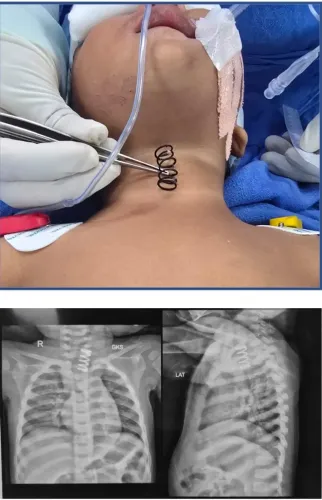
Mantavya, son of Shailesh Patel of Sanand in Ahmedabad district, was born on 7 November 2023 with Pure Oesophageal Atresia — a rare congenital defect in which the two ends of the oesophagus are too far apart to connect, leaving the child unable to swallow milk or food from birth.
On the second day after his birth, surgeons performed an oesophagostomy (creating an opening in the neck) and a gastrostomy (inserting a feeding tube directly into the stomach) to keep him alive. He received liquid nutrition through the tube over the following months under regular medical follow-up.
The Reconstructive Surgery
Once Mantavya's nutritional status, weight, and overall development had sufficiently improved, doctors scheduled definitive reconstruction. The operation was performed on 3 July 2025 using an advanced gastric pull-up technique, in which the stomach is repositioned to serve as a new oesophagus — currently the only effective reconstructive option for widely separated Pure Oesophageal Atresia cases.
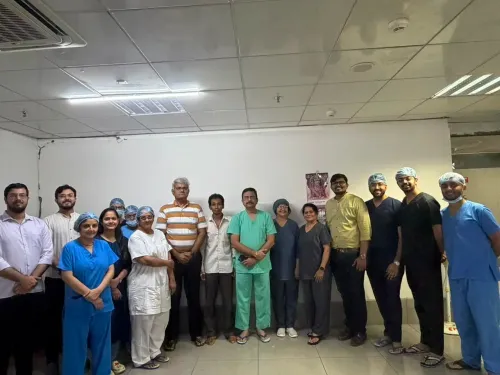
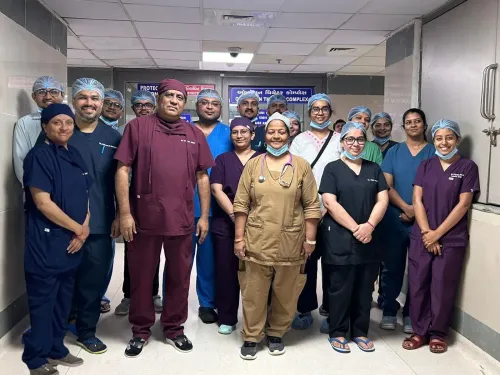
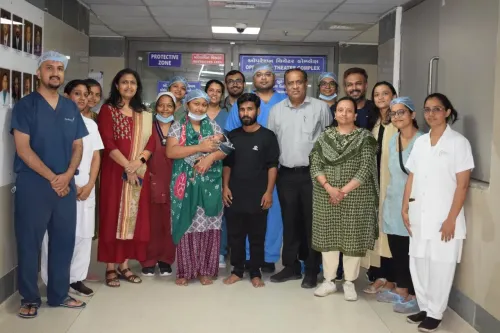
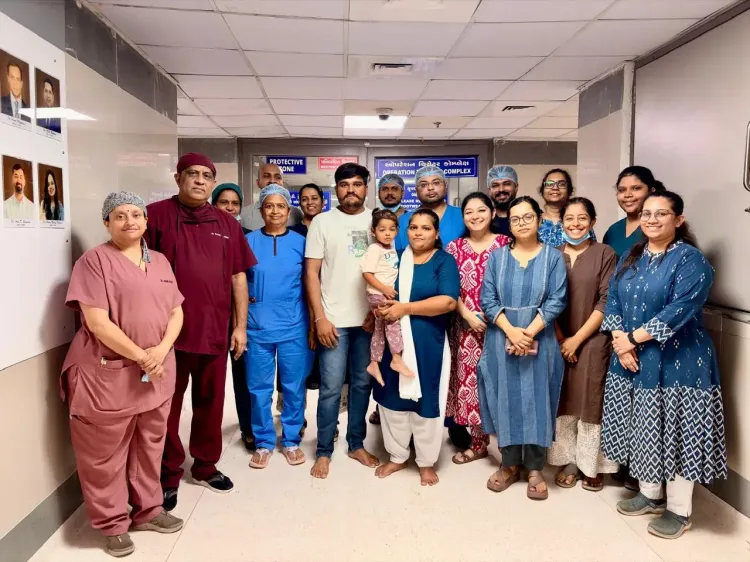
The surgical team was led by Dr Rakesh Joshi, Medical Superintendent of Ahmedabad Civil Hospital and Head of the Paediatric Surgery Department, alongside Dr Jayashree Ramji and anaesthesiologists Dr Aditi and Dr Sonal Bhalavat. Mantavya was discharged in good health after recovering without complications.
What the Data Says
According to medical data, Tracheo-Oesophageal Fistula (TOF) and related oesophageal atresia conditions occur in approximately one in every 2,500 to 4,000 live births. In cases of Pure Oesophageal Atresia with wide separation, the gastric pull-up procedure carries a reported success rate of 85 to 90 per cent, requiring highly specialised expertise and precise timing.
What the Doctors Said
'This type of surgery requires highly specialised technical expertise and an experienced team. Maintaining the child's nutritional status and performing the operation at the appropriate time are the keys to success,' said Dr Rakesh Joshi. He added that this advanced procedure, considered very expensive at private hospitals, is available free of cost at Ahmedabad Civil Hospital, and that the team has successfully completed seven such complex cases over the past year.
Family's Reaction
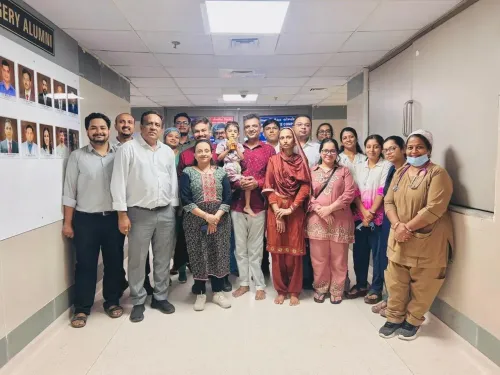
Mantavya's parents said they were overwhelmed to see their son eat by mouth for the first time and expressed deep gratitude to the doctors and hospital staff involved in his care. The case underscores the growing capacity of public-sector hospitals in India to deliver tertiary-level paediatric surgical care at no cost to families.
Point of View
When adequately staffed and equipped, can deliver outcomes that rival private tertiary care — at zero cost to the patient. The fact that Ahmedabad Civil Hospital has completed seven gastric pull-up procedures in a single year is not a footnote; it is a benchmark that should inform health-policy allocation. What mainstream coverage tends to miss is the systemic implication: for every Mantavya whose family could not afford private care, there are thousands who never reach a centre with this capability. The real story is access, not just the surgery.
NationPress
17 Sept 2026
Frequently Asked Questions
What is Pure Oesophageal Atresia?
Pure Oesophageal Atresia is a rare congenital defect in which the two ends of the oesophagus are too far apart to form a continuous food pipe, preventing the child from swallowing. It occurs in approximately one in every 2,500 to 4,000 live births, and in severe cases the gastric pull-up technique is the only effective reconstructive option.
What surgery did Mantavya undergo at Ahmedabad Civil Hospital?
Mantavya underwent a gastric pull-up procedure on 3 July 2025, in which the stomach is repositioned to function as a new oesophagus. The surgery was led by Dr Rakesh Joshi, Medical Superintendent and Head of Paediatric Surgery at Ahmedabad Civil Hospital.
How long did it take for the child to eat after the surgery?
Mantavya began eating through his mouth 23 days after the operation. He recovered without complications and was subsequently discharged from hospital in good health.
Is this surgery available free of cost at Ahmedabad Civil Hospital?
Yes. According to Dr Rakesh Joshi, the gastric pull-up procedure — considered very expensive at private hospitals — is available free of cost at Ahmedabad Civil Hospital. The team has completed seven such complex cases over the past year.
What is the success rate of the gastric pull-up surgery for oesophageal atresia?
According to medical data, the gastric pull-up procedure for Pure Oesophageal Atresia carries a reported success rate of 85 to 90 per cent. The procedure requires highly specialised technical expertise and careful timing based on the child's nutritional and developmental status.