Tharoor backs 'Public Impeachment' of Gyanesh Kumar
Synopsis
Congress MP Dr. Shashi Tharoor attended the 'Public Impeachment' of Gyanesh Kumar on October 31, 2026, calling it a compelling constitutional exercise. Rahul Gandhi and former Lok Sabha Speaker Meira Kumar delivered what Tharoor described as dignified, sober closing speeches at the 'unprecedented' opposition event.
Key Takeaways
Shashi Tharoor witnessed and endorsed the #PublicImpeachment of Gyanesh Kumar on October 31, 2026 .
Tharoor called the event 'a compelling exercise of constitutional rights' and pushed back against critics who labelled it anti-democratic.
Rahul Gandhi and former Lok Sabha Speaker Meira Kumar delivered the closing speeches, described by Tharoor as 'dignified and sober.' Tharoor flagged that 'too many avenues for dissent are being blocked,' framing the symbolic event as a response to institutional constraints.
The proceeding carries no constitutional legal force but represents a significant escalation in the opposition's public accountability strategy.
The event is expected to feed into debates during the upcoming winter session of Parliament.
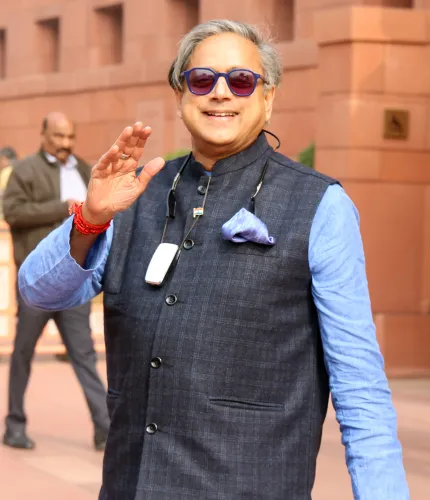
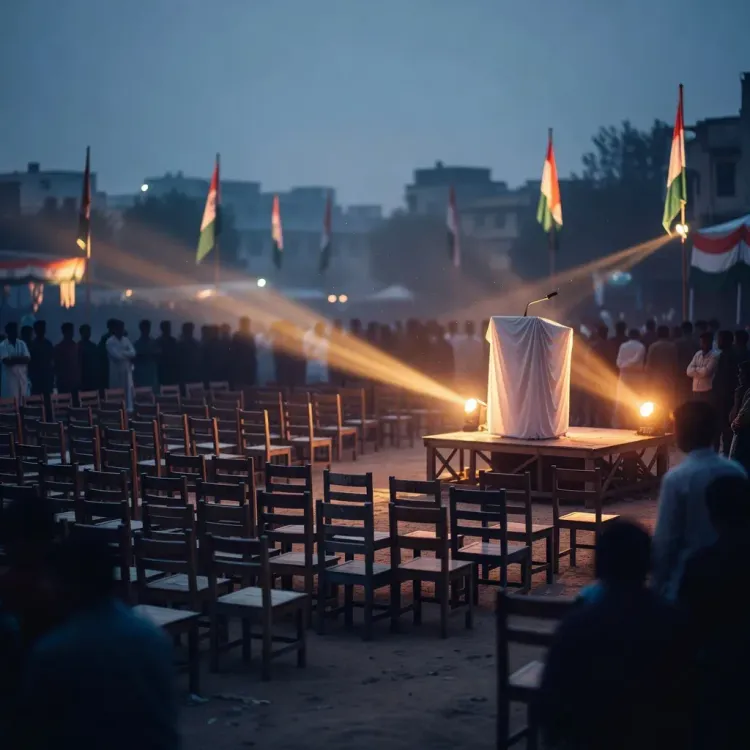
When official channels narrow and parliamentary floors lose their echo, the opposition finds new stages — and on Saturday, October 31, 2026, Congress MP Dr. Shashi Tharoor was in the front row for one of the more audacious political spectacles in recent Indian democratic history: a #PublicImpeachment of Gyanesh Kumar, organised outside the formal institutions of the state.
Tharoor described the event as conducted 'with great seriousness and gravitas,' pushing back sharply against critics who dismissed it as a 'mockery of democracy.' In his telling, it was the precise opposite — 'a compelling exercise of constitutional rights in a democracy where too many avenues for dissent are being blocked.'
Gandhi and Meira Kumar anchor the proceedings
The two headline speakers were Rahul Gandhi, the Congress leader who has served as the most prominent face of parliamentary opposition, and Meira Kumar, the former Lok Sabha Speaker (2009–2014) whose institutional gravitas lent the event a constitutional framing it could not easily have without her. Tharoor called their concluding speeches 'dignified and sober, in keeping with the seriousness and importance of the issues facing the nation.'
The choice of Meira Kumar was not incidental. A former custodian of the very institution whose procedures the event was symbolically invoking, her presence anchored the occasion in the language of parliamentary propriety — even as the event itself took place entirely outside Parliament.
A symbolic tool in a narrowing democratic space
Indian opposition parties have, over successive political cycles, reached for symbolic proceedings when formal accountability mechanisms appear blocked or bypassed. A 'public impeachment' — a term with no constitutional standing in Indian law but enormous rhetorical weight — is precisely this kind of instrument: it cannot remove anyone from office, but it places an argument forcefully into the public record.
Tharoor's framing is deliberate and worth noting. By calling the event 'unprecedented,' he signals that the opposition believes it is operating in exceptional political circumstances, not simply rehearsing a standard protest script. The word 'unprecedented' is a marker — it tells you the participants consider the situation that prompted it to also be unprecedented.
Government response and Parliament's winter session
No official government response had been issued at the time of posting. The event is, however, likely to reverberate into the coming winter session of Parliament, where the opposition may seek to formalise or amplify the arguments made in the public proceeding. Whether the ruling dispensation engages with the substance or simply dismisses the event as political theatre will itself be a signal about the state of institutional dialogue.
When a decorated parliamentarian and former UN Under-Secretary-General calls something 'unprecedented' and stands beside former Speakers and party leaders to say so publicly, the message reaches beyond the party faithful — it is aimed squarely at the record of history.
Point of View
It constructs alternative arenas — symbolic in legal weight but potent in political messaging. Tharoor's emphatic endorsement, combined with Meira Kumar's institutional pedigree as a former Lok Sabha Speaker, is a calculated effort to invest the event with constitutional legitimacy rather than mere street-protest optics. The word 'unprecedented' is the key tell: the opposition is arguing not just about a specific official, but about the general condition of democratic space. Whether the government responds substantively or dismisses the exercise as theatre will itself reveal something about the health of institutional dialogue heading into the winter session.
NationPress
31 Oct 2026
Frequently Asked Questions
What is the Public Impeachment of Gyanesh Kumar?
The 'Public Impeachment' of Gyanesh Kumar was a symbolic opposition-organised event held on October 31, 2026, in which Congress leaders publicly made a case against Gyanesh Kumar outside the formal constitutional process. It carries no legal force but was framed by participants as a democratic accountability exercise.
What did Shashi Tharoor say about the Public Impeachment?
Dr. Shashi Tharoor called it 'a compelling exercise of constitutional rights in a democracy where too many avenues for dissent are being blocked,' pushing back against critics who called it a mockery of democracy. He said he was 'glad to have witnessed this unprecedented event at close quarters.'
Who spoke at the Public Impeachment event?
Rahul Gandhi and former Lok Sabha Speaker Meira Kumar delivered the concluding speeches. Tharoor described both speeches as 'dignified and sober, in keeping with the seriousness and importance of the issues facing the nation.'
Is a public impeachment legally valid in India?
No. A 'public impeachment' has no constitutional or legal standing in India. The term is used rhetorically by the opposition to make a political and moral argument in the public domain, not to actually remove anyone from any office.
What happens next after the Public Impeachment of Gyanesh Kumar?
The opposition is expected to carry the arguments made at the event into the upcoming winter session of Parliament. A formal government or constitutional body response had not been issued at the time of the post.