Tharoor Speaks on Paper Leaks Bill at 10:40 PM, Mike Cut Off
Synopsis
Congress MP Dr. Shashi Tharoor spoke for nine minutes on the Paper Leaks Amendment Bill in a near-empty Lok Sabha at 10:40 PM on July 28, 2026, with his microphone cut off mid-speech. He argued that stiffer penalties must be paired with systemic reforms to prevent leaks, not just punish them after the fact.
Key Takeaways
Shashi Tharoor addressed the Lok Sabha on the Paper Leaks Amendment Bill at 10:40 PM on July 28, 2026 , with only nine minutes allotted.
The Chair rang the bell repeatedly and switched off his microphone before he could complete his remarks.
Tharoor's central argument: increasing punishment for paper leaks is insufficient without fixing the systemic vulnerabilities that allow leaks to occur.
The bill amends the Public Examinations (Prevention of Unfair Means) Act, 2024 , which was enacted after high-profile exam leak scandals.
The Lok Sabha chamber was largely empty at the time of the debate, prompting Tharoor to repeat his message to media outside.
India's competitive exam ecosystem — covering UPSC, NEET, JEE, SSC and state boards — serves tens of millions of aspirants whose futures depend on leak-free processes.
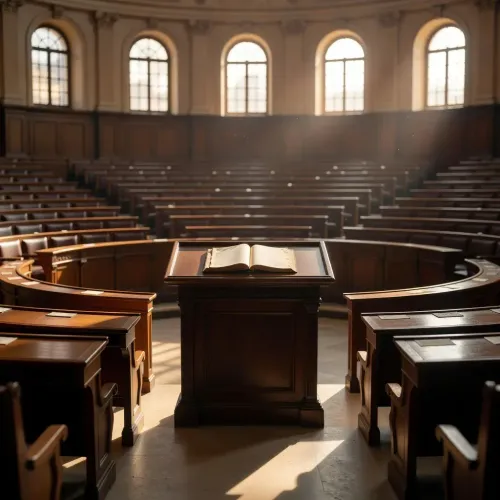
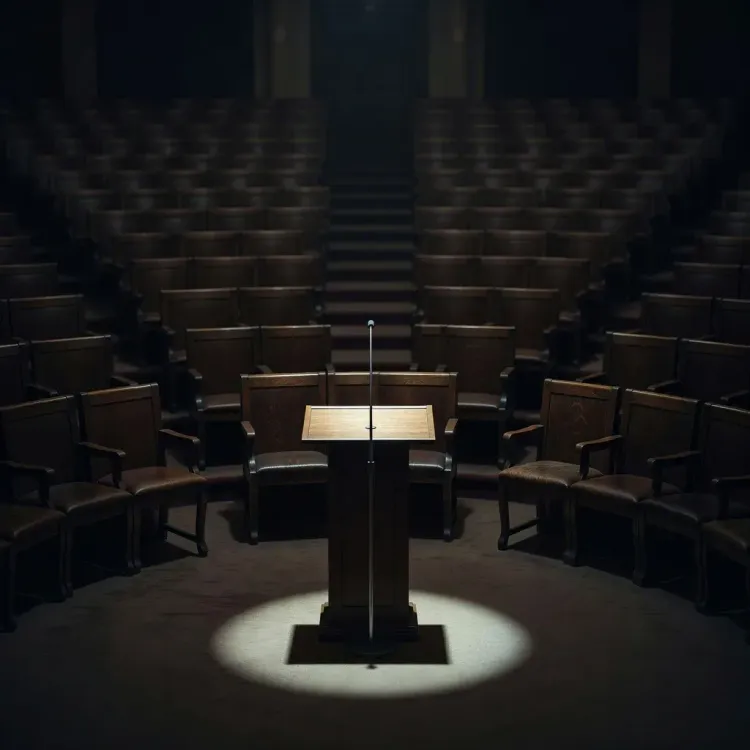
At 10:40 PM on Tuesday, July 28, 2026, the Lok Sabha chamber was largely empty — but Congress MP Dr. Shashi Tharoor still took the floor on the Paper Leaks Amendment Bill, compressing what he described as crucial arguments into a nine-minute window, with the Chair's bell ringing repeatedly and his microphone cut off before he could finish.
Nine Minutes, a Bell, and a Switched-Off Mike
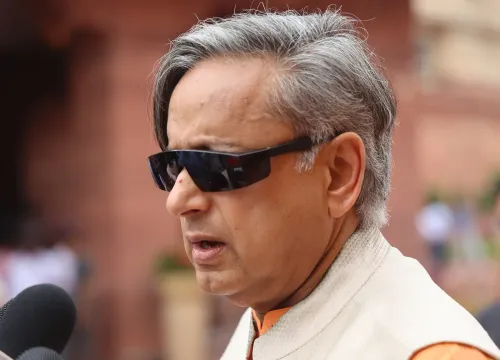
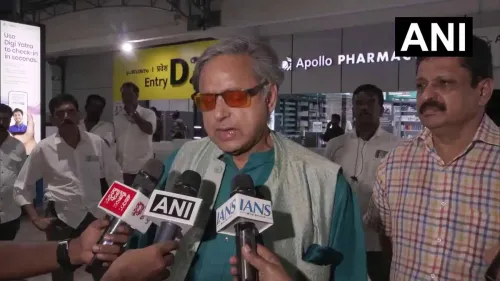
Tharoor, who represents Thiruvananthapuram in the Lok Sabha, recounted the session on social media, noting he had 'dramatically abbreviated' his arguments due to the time constraint. The late hour and near-empty chamber meant his remarks were directed as much at the media outside as at fellow legislators inside. 'I repeated the message to the media outside,' he wrote, 'since the chamber was largely empty at this late hour.'
The optics were pointed: a bill that affects millions of examination aspirants across India was being debated past midnight in a thinly attended house, with a sitting MP's microphone switched off mid-argument.
Tougher Penalties vs. Fixing the Pipeline
The Paper Leaks Amendment Bill builds on the Public Examinations (Prevention of Unfair Means) Act, 2024, which was enacted following a wave of high-profile paper leak incidents that shook national-level competitive exams and triggered widespread student protests. The 2024 law criminalised unfair practices in public examinations; the amendment seeks to increase the severity of punishment for those caught selling or leaking question papers.
Tharoor's core objection was not to stricter punishment per se, but to the bill's framing. 'The Bill increases punishment for those who sell our children's dreams,' he said, 'but what we need is to fix the system so that the crime doesn't occur in the first place.' He told the House he had put forward a number of specific preventive suggestions — though the exact provisions he proposed could not be independently verified.
The distinction matters. India's examination ecosystem — spanning UPSC, SSC, state PSC boards, NEET, JEE and dozens of other competitive tests — serves tens of millions of aspirants annually. Repeated leaks have not only derailed individual careers but eroded institutional trust in a credentialing system that functions as one of the country's primary social mobility engines. Increasing jail terms for convicted leakers addresses the supply side of the crime; it does not, critics argue, address the procedural and institutional vulnerabilities that allow leaks to occur in the first place.
A Pattern of Midnight Debates and Thin Houses
The scene Tharoor described — a late-night session, an abbreviated speech, a bell and a cut microphone — is not incidental. Significant legislation routinely passes through the Lok Sabha in its final hours, with reduced attendance and compressed debate time, raising persistent questions about the quality of parliamentary scrutiny on bills with large public impact. For a bill touching the futures of crores of young Indians, the optics of a near-empty house at 10:40 PM will not be lost on the student communities it most directly affects.
The question Tharoor left hanging — and that now moves to any committee review or government notification on exam protocols — is whether the amendment will be accompanied by the structural reforms that prevention, not just punishment, demands.
Point of View
Near-empty-house setting also feeds a recurring critique of how Parliament handles high-stakes social legislation. Whether the government incorporates preventive reforms — in question paper security, digital proctoring, or examination body accountability — will determine if this bill is a genuine fix or a political signal.
NationPress
27 Oct 2026
Frequently Asked Questions
What is the Paper Leaks Amendment Bill in India?
The Paper Leaks Amendment Bill seeks to increase punishment for those who leak or sell public examination question papers, amending the Public Examinations (Prevention of Unfair Means) Act that was passed in 2024 following widespread exam fraud incidents.
What did Shashi Tharoor say about the Paper Leaks Bill?
Tharoor argued that while the bill rightly increases penalties for paper leaks, India also needs systemic reforms to prevent leaks from occurring in the first place. He made several preventive suggestions during his nine-minute speech on July 28, 2026.
Why was Shashi Tharoor's microphone switched off in Lok Sabha?
Tharoor's microphone was switched off by the Chair after his allotted speaking time expired during the late-night debate on the Paper Leaks Amendment Bill on July 28, 2026.
What is the Public Examinations Prevention of Unfair Means Act 2024?
It is a law passed by the Indian Parliament in 2024 to criminalise unfair practices — including paper leaks — in national-level public examinations, enacted in response to high-profile leak scandals affecting exams like NEET.
Which exams are affected by paper leaks in India?
Paper leak incidents in India have affected major national and state-level competitive examinations including NEET, JEE, UPSC, SSC, and various state public service commission tests, impacting millions of aspirants annually.