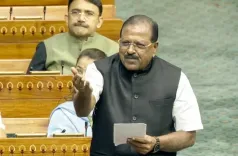
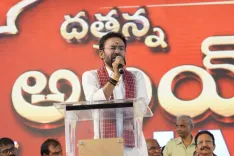
CM Rekha Gupta shares Amit Shah's 2029 Yamuna pledge
Synopsis
Delhi CM Rekha Gupta has shared Union Home Minister Amit Shah's commitment to clean the Yamuna by 2029, tying an environmental milestone to the BJP's electoral and Viksit Delhi development agenda.
Key Takeaways
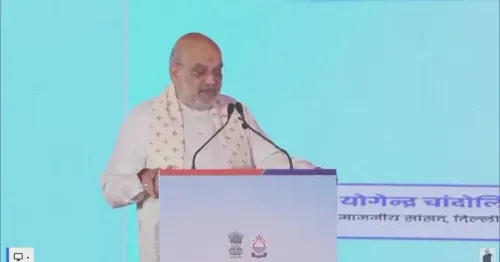
Union Home Minister Amit Shah publicly pledged to clean the Yamuna river before seeking votes in 2029 .
Delhi Chief Minister Rekha Gupta amplified the statement on October 22, 2026 under #ViksitDelhi .
The Yamuna Action Plan , originally launched in 1993 , has undergone multiple phases without fully resolving the river's pollution.
The BJP is applying a Namami Gange -style template — ministerial ownership, public timelines — to the Yamuna cleanup.
The National Green Tribunal maintains judicial oversight over Yamuna pollution, adding enforceable accountability to political promises.
The pledge directly ties environmental delivery to the 2029 Delhi Assembly election cycle.
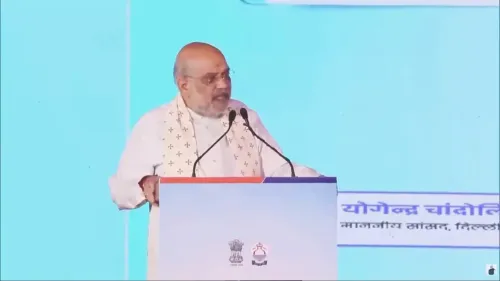
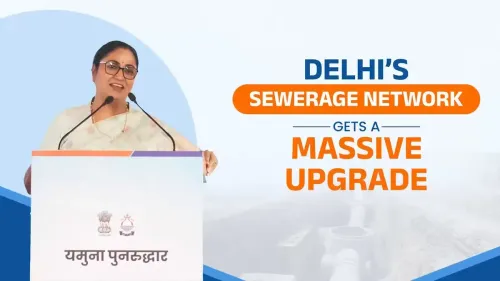
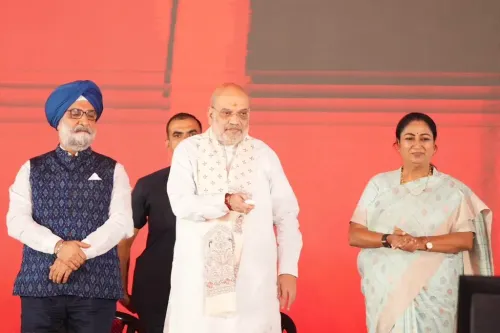
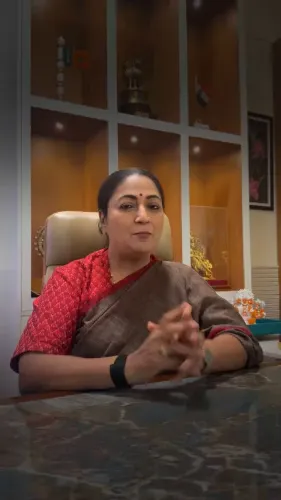
A promise, a river, and a deadline: Union Home Minister Amit Shah has publicly committed that the BJP will return to Delhi's voters in 2029 with a cleaned Yamuna — or answer for it. Delhi Chief Minister Rekha Gupta amplified the pledge on Thursday, October 22, 2026, sharing Shah's words under the hashtag #ViksitDelhi.
Shah's statement, as quoted by CM Gupta, reads: 'मैं आपको विश्वास दिलाता हूं, हम 2029 में आपका आशीर्वाद लेने आएंगे, तब आपकी कृपा से यमुना जी को निर्मल करके आपके सामने आएंगे।' — 'I assure you, we will come seeking your blessings in 2029; by your grace, we will appear before you having purified the Yamuna.'A river that has outlasted every promise
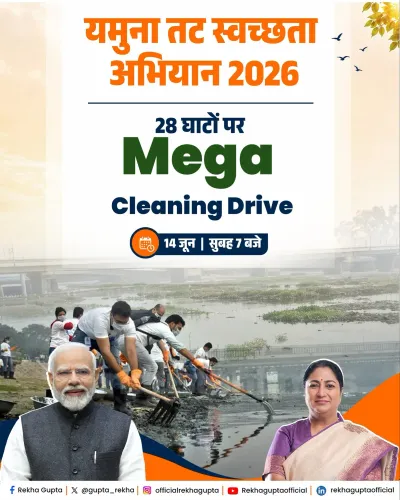
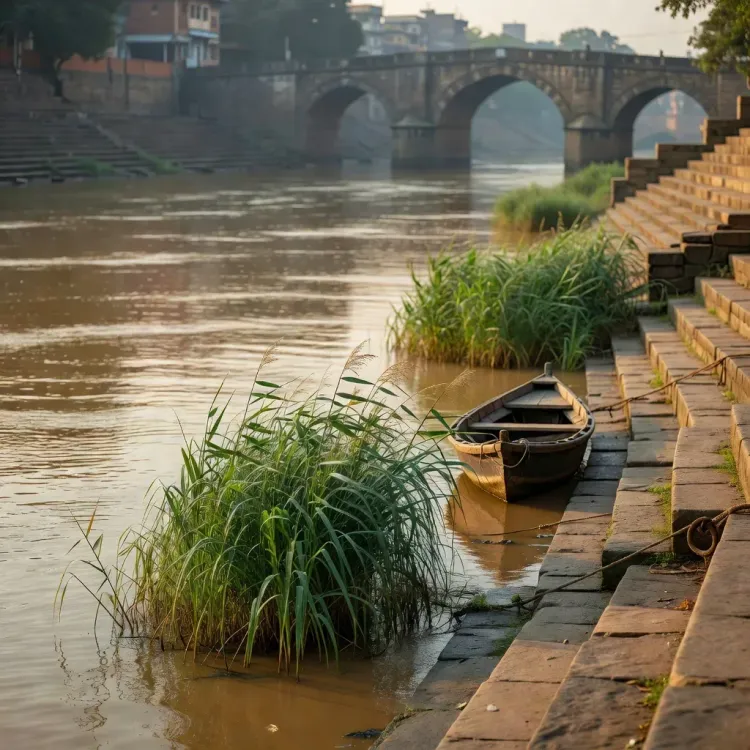
The Yamuna is Delhi's most politically charged waterway — and its most burdened one. Decades of untreated sewage discharge and industrial effluents have turned stretches of the river, particularly within the capital, into one of the most polluted urban waterways in South Asia. The Yamuna Action Plan, launched in 1993, set out to fix this through sewage treatment infrastructure. It is now in its third phase. The river is still waiting.
That history is precisely what makes Shah's timeline so pointed. By anchoring the pledge to 2029 — the year of the next Delhi Assembly elections — the BJP is converting an environmental goal into an electoral promissory note. Clean the river, or face the voters with the evidence flowing behind you.
Shah's Yamuna bet and the Namami Gange template
The framing tracks closely with the BJP's broader urban river-revival strategy. The Namami Gange programme on the Ganga established the political grammar: a flagship river, a high-profile ministerial ownership, measurable milestones, and a narrative of national renewal. Extending that model to the Yamuna — which flows through the capital and carries enormous symbolic and religious weight — is a logical next move under the Viksit Bharat 2047 development framework.
The #ViksitDelhi tag CM Gupta attached to her post places this squarely inside that architecture: a developed Delhi as a proof-of-concept for a developed India. Sewage interception projects and enhanced treatment capacity are the nuts-and-bolts levers; the political bet is whether they can deliver visible results within roughly three years.
The NGT shadow and what 2029 actually requires
Any government making Yamuna commitments does so under the watching eye of the National Green Tribunal, which has consistently monitored river-pollution abatement and pulled up both the Delhi government and central agencies on progress. The judicial pressure means the pledge is not merely political rhetoric — it lands in a framework of enforceable accountability.
For the BJP, which returned to power in Delhi after a decade in opposition, the Yamuna is both an opportunity and a risk. Success would be a landmark achievement in one of India's most watched cities. Failure would hand opponents a very visible, very smelly argument in every constituency the river touches.
Point of View
The BJP is doing something strategically distinct from routine environmental assurances: it is converting river rejuvenation into a measurable accountability contract with voters. This mirrors the Namami Gange playbook, where high-level political ownership was designed to signal seriousness. The risk, however, is equally elevated: Delhi's river runs through dense constituencies, and the National Green Tribunal's active oversight means progress — or the lack of it — will be documented and public. For CM Rekha Gupta, amplifying Shah's pledge stakes her government's credibility on delivery well before polling day.
NationPress
22 Oct 2026
Frequently Asked Questions
What did Amit Shah promise about the Yamuna river?
Amit Shah publicly pledged that the BJP would clean the Yamuna and present a purified river to Delhi's voters when it seeks their blessings in the 2029 elections.
What is the Yamuna Action Plan?
The Yamuna Action Plan is a government programme launched in 1993 to reduce river pollution through sewage treatment infrastructure; it has gone through multiple phases but the river remains heavily polluted.
What is Viksit Delhi?
Viksit Delhi is the BJP's campaign vision for a developed Delhi, aligned with the broader national Viksit Bharat 2047 development framework.
Why is the Yamuna so polluted in Delhi?
Decades of untreated sewage discharge and industrial effluents have severely degraded the Yamuna, particularly in the stretches passing through Delhi, making it one of the most polluted urban rivers in South Asia.
What role does the National Green Tribunal play in Yamuna cleanup?
The National Green Tribunal actively monitors Yamuna pollution abatement and has regularly directed both Delhi's government and central agencies to accelerate progress, adding a layer of judicial accountability beyond political promises.