CM Rekha Gupta Launches ₹8,941 Cr Yamuna Clean-Up Push
Synopsis
Delhi CM Rekha Gupta and Union Home Minister Amit Shah launched 43 sewage infrastructure projects worth over ₹8,941 crore at Shyam Nagar on October 22, 2026, targeting new STPs, sewer network expansion, and drainage upgrades to stop untreated effluent from reaching the Yamuna.
Key Takeaways
43 projects worth more than ₹8,941 crore were inaugurated and foundation-stoned at Shyam Nagar, Delhi on October 22, 2026 .
Works include new Sewage Treatment Plants , capacity upgrades to existing STPs, sewer network extension, and drainage improvement.
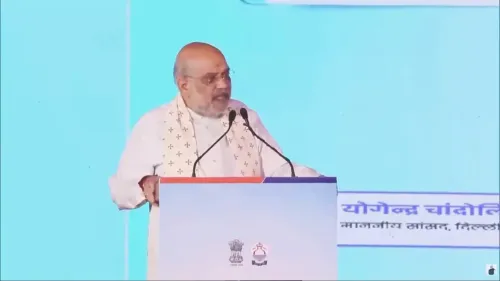
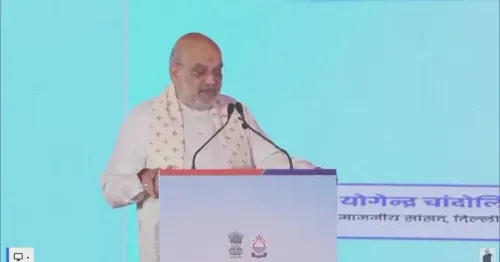
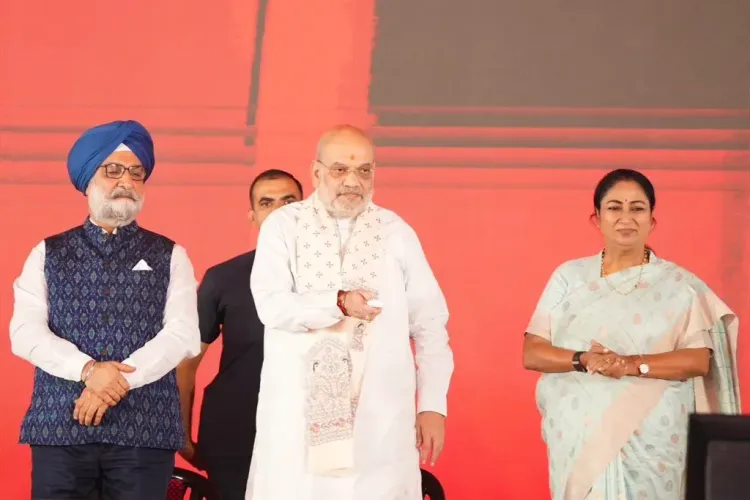
Union Home Minister Amit Shah performed the inaugurations; Lieutenant Governor Taranjit Singh Sandhu and Union MoS Harsh Malhotra were also present.
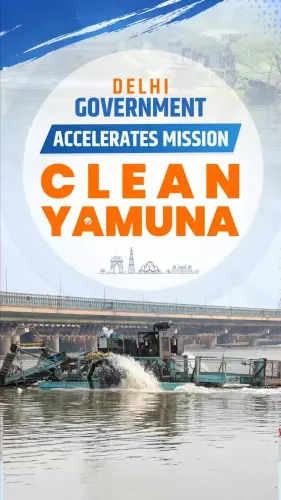
CM Rekha Gupta framed the drive as a promise to Delhi residents and a responsibility to future generations under the banner of Mission Swachh Yamuna .
Delhi's Yamuna pollution efforts date back to the Yamuna Action Plan Phase-I (1993) ; this is the largest coordinated central-state infrastructure push in recent years.
Water-quality monitoring over the next 2-3 years will determine whether the investment translates into a measurably cleaner river.
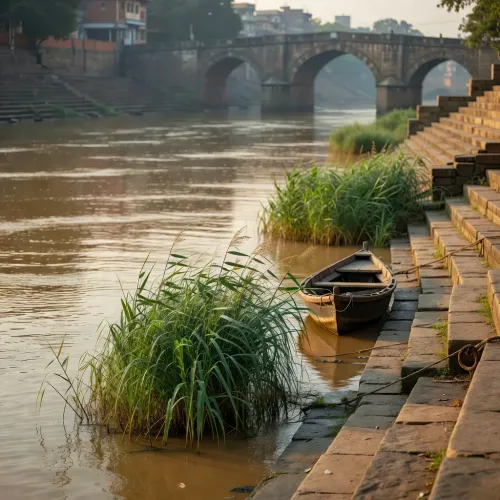
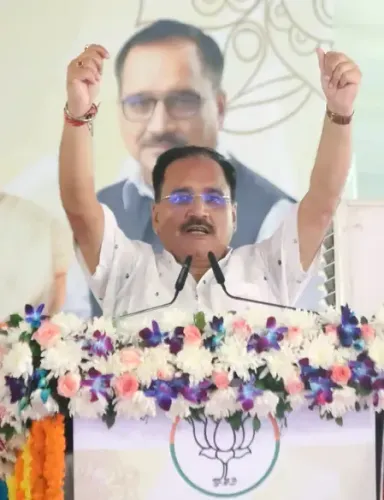
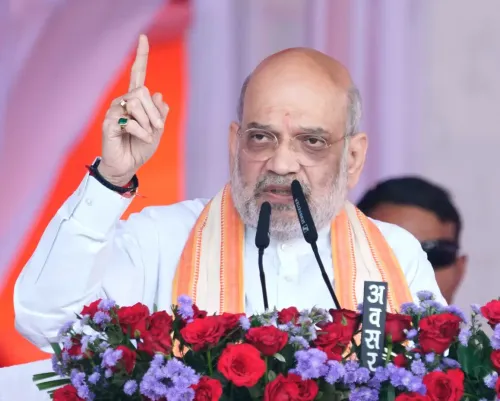
A river that has waited decades for relief got a major push on Thursday, October 22, 2026, when Delhi Chief Minister Rekha Gupta joined Union Home Minister Amit Shah at Shyam Nagar to inaugurate and lay the foundation stones of 43 sewage infrastructure projects worth more than ₹8,941 crore — the largest single-day infrastructure commitment to Yamuna cleaning in recent memory.
43 Projects, One River, One Deadline
The project bundle is the operational spine of what the Delhi government calls Mission Swachh Yamuna — its promise to halt the flow of untreated sewage into the Yamuna. The works span four tracks: construction of new Sewage Treatment Plants (STPs), capacity expansion of ageing existing plants, extension of the sewer network into underserved pockets of the city, and upgrades to the overall drainage system.
CM Gupta, posting in Hindi, put the commitment plainly: 'Humne sankalp liya hai ki Maa Yamuna ko swachh banakar hi rahenge' — 'We have resolved that we will clean Mother Yamuna, no matter what. This is our promise to the people of Delhi and our responsibility toward future generations.'
Shah at Shyam Nagar: Why Central Muscle Matters for Delhi
The presence of Home Minister Amit Shah at the inauguration is more than ceremonial. Delhi's unique constitutional status — where the Union government and the Lieutenant Governor hold significant levers over civic bodies — means central ministerial backing translates directly into administrative and financial momentum for projects that have historically stalled in inter-agency gridlock.
Lieutenant Governor Taranjit Singh Sandhu was also at the event, alongside Delhi BJP President and Union Minister of State Harsh Malhotra, Members of Parliament, state ministers, and MLAs — a full-spectrum display of the BJP's coordinated governance machinery for the capital. CM Gupta credited the initiative to the 'guidance of Prime Minister Narendra Modi and the constant support of the Home Minister.'
Three Decades of Yamuna Plans — And Why This Moment Is Different
Delhi's battle with Yamuna pollution stretches back to the Yamuna Action Plan Phase-I, launched in 1993 with Japanese assistance, which targeted sewage treatment as the primary lever. Successive action plans and court orders followed over the decades, yet untreated effluent continued to reach the river, partly because sewage infrastructure never kept pace with the city's explosive growth.
The current push is different in scale and political optics: a BJP-led state government, a BJP-led Centre, and a BJP-affiliated Lieutenant Governor are all pulling in the same direction — removing the blame-shifting that long paralysed Yamuna projects. Whether the construction timelines hold and water-quality data actually improves will be the real test, with monitoring expected over the next two to three years.
What Delhi Residents Should Watch
The 43 projects will only deliver cleaner water if STP construction is completed on schedule and the expanded sewer network genuinely captures outflows from informal settlements that currently drain raw sewage. Independent water-quality monitoring of the river's dissolved oxygen and biochemical oxygen demand at key points downstream of Delhi will be the honest scorecard for this ₹8,941 crore bet.
For a city that has been promised a clean Yamuna repeatedly, the projects launched at Shyam Nagar today are not the end of the story — they are the start of a countdown.
Point of View
The Lieutenant Governor, and the Chief Minister on a single stage, the party signals unified ownership of a problem that opposition governments previously used to deflect accountability onto the Centre. The ₹8,941 crore outlay also serves as a material rebuttal to the decade-long charge that the BJP only promised Yamuna cleaning during elections. The real political risk now shifts to delivery: if STP construction slips or water-quality data stays grim, the scale of today's announcement will amplify, not soften, the reckoning.
NationPress
22 Oct 2026
Frequently Asked Questions
What is Mission Swachh Yamuna Delhi?
Mission Swachh Yamuna is the Delhi government's campaign to eliminate untreated sewage discharge into the Yamuna river through large-scale sewage treatment plant construction, sewer network expansion, and drainage upgrades across the capital.
How many projects were launched for Yamuna cleaning on October 22 2026?
A total of 43 projects worth more than ₹8,941 crore were inaugurated and foundation-stoned at Shyam Nagar, Delhi, on October 22, 2026, by Union Home Minister Amit Shah.
What will the new sewage projects in Delhi include?
The projects include construction of new Sewage Treatment Plants, capacity enhancement of existing STPs, extension of the sewer network to underserved areas, and improvement of the overall drainage system to prevent untreated water from entering the Yamuna.
Why was Amit Shah involved in a Delhi sewage project?
As Union Home Minister, Amit Shah oversees significant administrative levers in Delhi given the city's unique constitutional status, making central ministerial participation crucial for fast-tracking urban infrastructure projects that require coordination between the Union government, the Lieutenant Governor's office, and the state government.
Has Delhi tried to clean the Yamuna before?
Yes. The Yamuna Action Plan Phase-I was launched in 1993 with Japanese assistance to treat sewage and reduce river pollution. Multiple subsequent plans followed over three decades, though rapid urbanisation and infrastructure gaps continued to hamper results.