CM Bhajan Lal Shares Modi's Call for Atmanirbhar, Viksit Bharat
Synopsis
Rajasthan CM Bhajan Lal Sharma shared a message from PM Narendra Modi on November 19, 2026, urging India to build future-ready capabilities today through industrial innovation and resource efficiency to realise the Atmanirbhar Bharat and Viksit Bharat visions.
Key Takeaways
Rajasthan CM Bhajan Lal Sharma shared a remark by PM Narendra Modi calling for immediate capability-building toward self-reliant and developed India.
Atmanirbhar Bharat Abhiyan was launched in May 2020 to strengthen domestic production and reduce import dependence.
Viksit Bharat targets transforming India into a fully developed nation by 2047 , the centenary of independence.
The message identifies industrial innovation, smarter resource use, and forward-looking thinking as the three key levers for global competitiveness.
Make in India , launched in September 2014 , laid the foundational groundwork for the current capability-focused push.
Sharma's amplification of the message aligns Rajasthan's industrial direction with the central government's national economic blueprint.
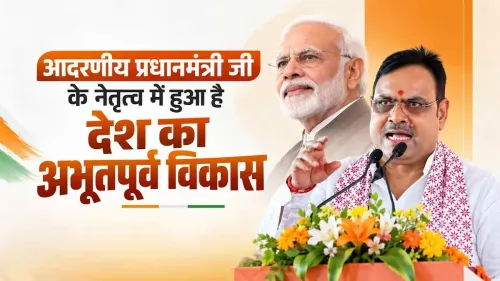
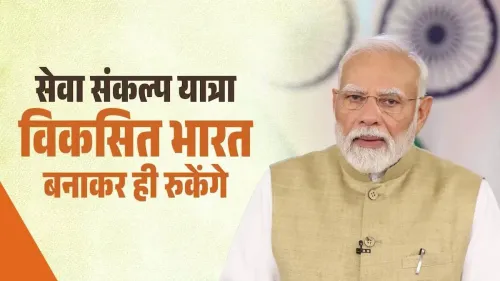
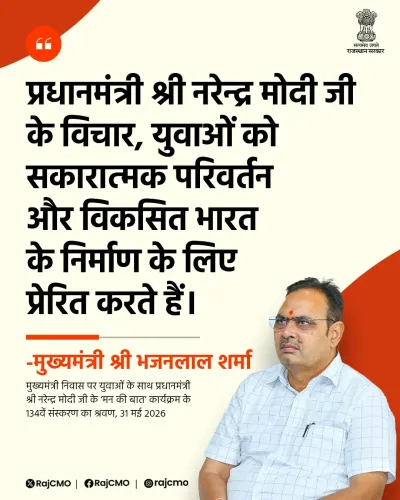
India's ambition to become a developed nation by 2047 demands action today — not tomorrow. Rajasthan Chief Minister Bhajan Lal Sharma amplified that urgency on Thursday, November 19, 2026, sharing a pointed message attributed to Prime Minister Narendra Modi that places innovation and resource efficiency at the heart of India's global rise.
The quoted remark, shared by CM Sharma on X, reads: 'Atmanirbhar Bharat ke nirman aur Viksit Bharat ke sankalp ko sakar karne ke liye hamen aaj se hi bhavishy ki aavashyaktaon ke anurup apni kshamataon aur samarthya ko viksit karna hoga.' In plain terms: 'To build a self-reliant India and fulfil the resolve of a developed India, we must begin developing our capabilities and strengths in line with the needs of the future — starting today.'
Two Flagship Visions, One Urgent Message
The statement weaves together two of the central government's most defining economic frameworks. Atmanirbhar Bharat Abhiyan — launched by Prime Minister Modi in May 2020 — set out to strengthen domestic production, reduce India's dependence on imports, and position Indian industry as a global supplier. Viksit Bharat extends that ambition across a longer horizon: transforming India into a fully developed economy by 2047, the centenary of independence.
The message specifically names three levers — industrial innovation, smarter use of resources, and forward-looking thinking — as the path to 'new heights on the global stage.' That framing is deliberate. It signals that self-reliance is not merely a defensive posture against imports but an offensive strategy for global competitiveness.
Rajasthan's Role in the Larger Industrial Arc
CM Bhajan Lal Sharma sharing this message is itself a signal. Rajasthan — with its renewable energy potential, mineral wealth, and expanding industrial corridors — sits inside the national manufacturing push as a key contributor. By amplifying the Prime Minister's words, Sharma aligns the state's policy direction squarely with New Delhi's growth blueprint, reinforcing what has become a consistent pattern under BJP-governed states: state-level endorsement of central economic priorities, backed by complementary industrial policy on the ground.
The Make in India initiative, launched in September 2014, laid the early groundwork — attracting investment, boosting manufacturing, and signalling India's intent to the world. What Modi's quoted remark underscores is that over a decade later, the emphasis has shifted from invitation to execution. Capability-building, not just opportunity-creation, is now the ask.
India's industries — from semiconductors and defence manufacturing to green energy and pharmaceuticals — are watching the policy signals that follow such statements closely. The country that builds the right capacities now will not merely participate in the global economy of 2047. It will help shape it.
Frequently Asked Questions
What is Atmanirbhar Bharat?
Atmanirbhar Bharat, or Self-Reliant India, is a campaign launched by PM Narendra Modi in May 2020 to boost domestic production, reduce import dependence, and strengthen India's economic self-sufficiency across key sectors.
What is the Viksit Bharat vision?
Viksit Bharat is India's long-term development goal to transform the country into a fully developed nation by 2047, coinciding with the centenary of its independence, with focus on economic growth, infrastructure, and global competitiveness.
What did CM Bhajan Lal Sharma post on X?
On November 19, 2026, Rajasthan CM Bhajan Lal Sharma shared a message attributed to PM Narendra Modi urging India to develop its capabilities today in line with future needs, citing industrial innovation and resource efficiency as the path to global leadership.
What is Make in India and how does it relate to Atmanirbhar Bharat?
Make in India was launched in September 2014 to attract manufacturing investment and boost domestic production. Atmanirbhar Bharat, launched in 2020, deepened that push by emphasising economic self-reliance and reducing dependence on foreign supply chains.
What is Rajasthan's role in India's industrial growth?
Rajasthan contributes to India's manufacturing and energy ambitions through its renewable energy potential, mineral resources, and industrial corridors, making it a key state in the national Atmanirbhar Bharat and Viksit Bharat push.