Assam State Museum hosts 75 Arunachal border delegates under Apna Bharat Karyakram
Synopsis
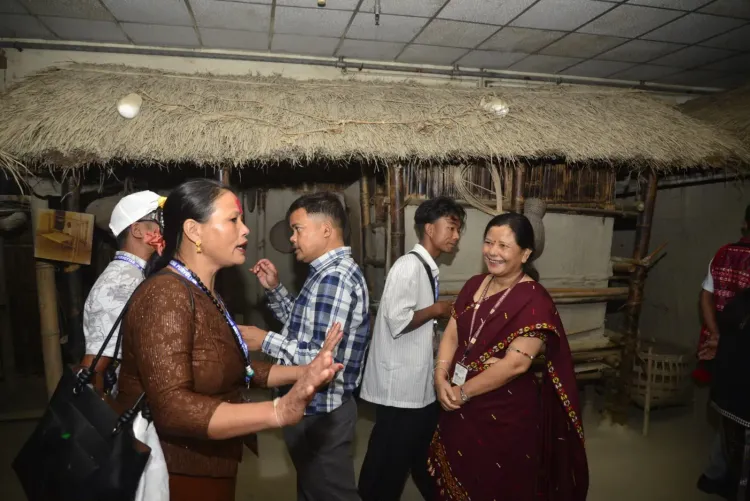
Seventy-five delegates from Eastern Arunachal Pradesh's international border regions visited the Assam State Museum under the Apna Bharat Karyakram, organised by Seemanta Chetana Mancha Purvottar, in a cultural-integration effort linking frontier communities to the Northeast's shared heritage.
Key Takeaways
Around 75 delegates from the international border regions of Eastern Arunachal Pradesh visited the Assam State Museum on 19 November 2026 .
The visit was organised under the Apna Bharat Karyakram initiative by Seemanta Chetana Mancha Purvottar , a Northeast-focused voluntary organisation.
The Assam State Museum , established in the 1940s in Guwahati, holds manuscripts, ethnographic collections, and historical artefacts representing the region's diverse cultures.
Eastern Arunachal Pradesh borders both Myanmar and China and is home to tribal communities including the Mishmi, Tangsa, and Nocte .
The programme is part of a broader Northeast India pattern of using cultural exposure visits to reinforce national integration in sensitive frontier districts.
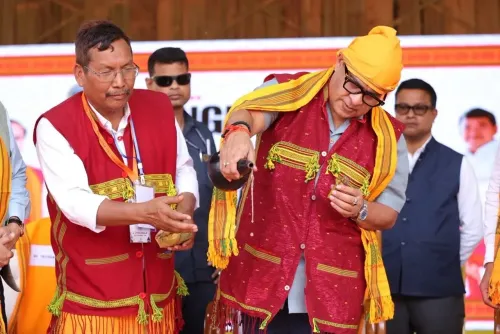
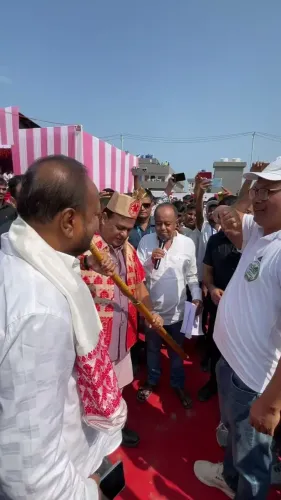
Seventy-five delegates from the remote international border regions of Eastern Arunachal Pradesh walked through the galleries of the Assam State Museum on Thursday, 19 November 2026 — a quiet but deliberate act of nation-building, one artefact at a time. The Chief Minister's Office of Assam announced the visit, organised under the Apna Bharat Karyakram initiative by Seemanta Chetana Mancha Purvottar, framing it as a celebration of shared heritage across the Northeast's frontier communities.
Who came, and why it matters along the frontier
Eastern Arunachal Pradesh is not an ordinary geography. Its tribal-dominated districts — home to communities such as the Mishmi, Tangsa, and Nocte — press against both the Indo-Myanmar and Indo-China borders, territories where cross-border cultural ties are as old as the hills themselves. Bringing residents from these villages into the institutional heart of Assam's cultural identity is a pointed message: the connections run inward, not just outward.
The Assam State Museum, established in the 1940s in Guwahati, holds one of the region's most significant collections of manuscripts, ethnographic material, and historical artefacts spanning Assam's layered civilisational story. For delegates who may never have visited a state capital, the exposure is as much about belonging as it is about history.
Seemanta Chetana Mancha Purvottar and the Apna Bharat Karyakram model
Seemanta Chetana Mancha Purvottar is a Northeast-focused voluntary organisation that has long worked on border-area awareness and national-integration programming along India's sensitive eastern frontiers. The Apna Bharat Karyakram — roughly, 'Our India Programme' — is a recurring outreach initiative that brings residents of remote border villages to cultural and historical sites elsewhere in the country, building familiarity with India's shared heritage through direct, human experience rather than top-down messaging.
The model is deliberate: where roads, railways, and administrative connectivity are still catching up in frontier districts, cultural exposure visits fill a softer but no less strategic gap. Seeing your own reflection in another state's museum collection — the same craft traditions, the same motifs, the same oral histories — does something a government circular cannot.
A pattern across Northeast India's border districts
This visit fits a broader, recurring effort by state governments in the Northeast to use cultural institutions as instruments of internal cohesion. Infrastructure and security dominate the headline budgets for border regions, but periodic exposure programmes complement those investments by emphasising civilisational continuity over political separation. The Chief Minister's Office of Assam highlighting the event signals institutional endorsement at the highest level of state government.
Whether similar delegations are extended to other border districts of Arunachal Pradesh — or to communities along Nagaland's, Manipur's, or Mizoram's frontiers — will determine whether this remains a one-off gesture or grows into a sustained exchange calendar worth tracking.
Point of View
The state signals that integration is built on shared civilisational memory, not just roads and fences. At a moment when India's eastern borders carry both strategic sensitivity and demographic complexity, cultural diplomacy of this kind carries disproportionate weight relative to its modest scale. The Chief Minister's Office amplifying the event publicly marks a deliberate choice to make visible what might otherwise remain an administrative footnote.
NationPress
19 Nov 2026
Frequently Asked Questions
What is the Apna Bharat Karyakram programme?
The Apna Bharat Karyakram is a recurring national-integration initiative that brings residents of remote international border villages to cultural and historical sites in other parts of India, fostering familiarity with the country's shared heritage.
Who organised the Assam State Museum visit for Arunachal delegates?
The visit was organised by Seemanta Chetana Mancha Purvottar, a Northeast India-focused voluntary organisation that works on border-area awareness and cultural exchange along India's eastern frontiers.
Where is the Assam State Museum located?
The Assam State Museum is located in Guwahati, Assam. It was established in the 1940s and houses a significant collection of manuscripts, ethnographic artefacts, and historical objects representing the Northeast's diverse cultures.
Which communities live in Eastern Arunachal Pradesh's border regions?
Eastern Arunachal Pradesh's international border districts are home to tribal communities including the Mishmi, Tangsa, and Nocte, whose territories adjoin the borders with both Myanmar and China.
Why does the government organise cultural visits for border communities?
Such visits are part of national-integration efforts in sensitive frontier areas, complementing infrastructure and security measures by emphasising shared civilisational links and fostering a sense of belonging to the broader Indian cultural identity.