Bangladesh: 111 people harassed for free speech in 10 months, HRSS report finds
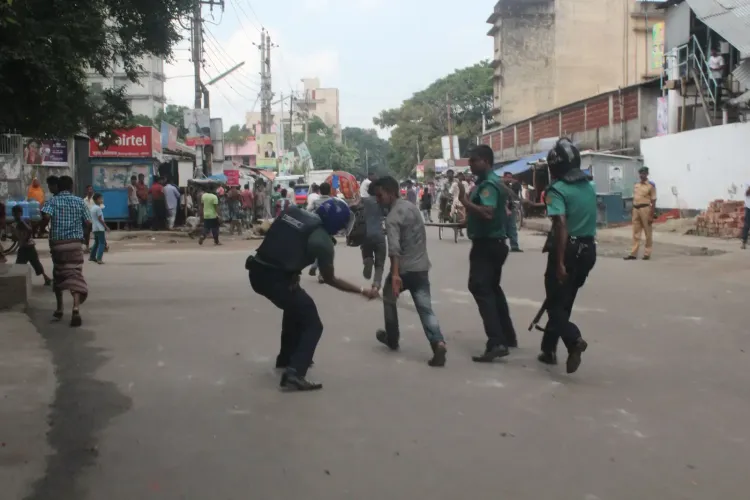
Synopsis
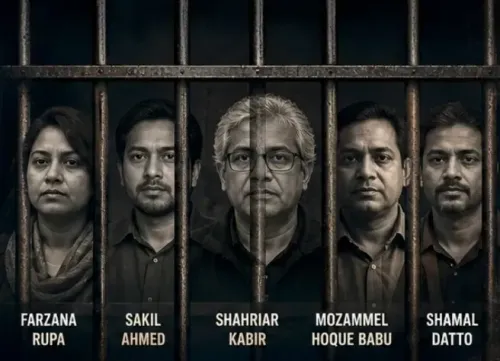
A human rights report from Dhaka has counted 111 people harassed, arrested, or assaulted for speaking their minds in Bangladesh over just ten months — with the majority targeted for criticising the ruling BNP government. Two people died from beatings, 25 journalists faced cases, and 36 actions were brought under cyber law alone, painting a troubling picture of shrinking civic space.
Key Takeaways
111 people faced harassment for expressing views in Bangladesh between January and October 2025 , according to HRSS .
62 of 111 (55.9%) were targeted for criticising the ruling BNP government, including the Prime Minister and party leaders.
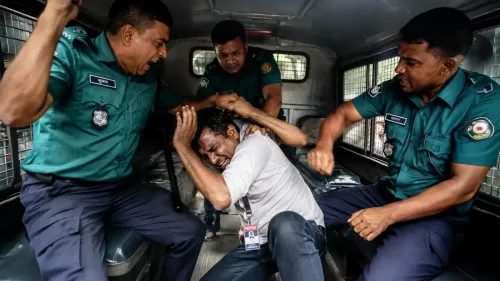
66 people were arrested or detained; 19 were held without any case being filed.
36 legal actions were initiated under cyber-related laws; 10 under the Anti-Terrorism Act.
25 journalists were among the victims, with 14 cases attributed to BNP leaders or affiliated organisations.
The report documented 2 deaths from physical beatings and 8 instances of job loss or expulsion from educational institutions.
At least 111 people in Bangladesh faced legal cases, arrests, physical attacks, or other forms of harassment for expressing their views between January and October 2025, according to a report by the Dhaka-based Human Rights Support Society (HRSS), cited by local media. The findings, unveiled at a roundtable on freedom of expression at the Jatiya Press Club in Dhaka on Wednesday, point to a widening crackdown on dissent under the current administration.
Who Was Targeted and Why
Of the 111 individuals affected, 62 — accounting for 55.9% — were targeted for criticising the ruling Bangladesh Nationalist Party (BNP) government, including the Prime Minister, his family, and other party leaders, according to the HRSS report. Another 23 faced action for allegedly criticising religion or religious figures, while 10 were targeted over comments related to the 2024 July Mass Uprising. Seven people faced consequences over news reports, and another seven over alleged defamation of BNP leaders.
Scale of Legal Action and Detentions
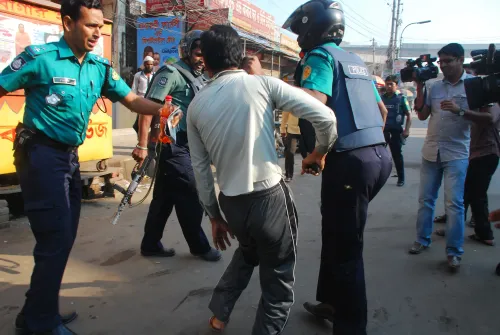
The HRSS documented 86 incidents across 38 districts of Bangladesh during the period. Of the 111 people affected, 66 were arrested or detained — including 63 men and three women. While 47 were formally arrested under registered cases, the remaining 19 were detained without any case being filed against them, raising concerns about due process.
The report catalogued 66 instances of legal action in total. Of these, 36 were initiated under Bangladesh's cyber-related laws, 13 under defamation and other provisions of the Penal Code, and 10 under the Anti-Terrorism Act. Additionally, the report documented four cases of physical assault, two deaths resulting from beatings, and eight instances of job loss or expulsion from educational institutions.
Journalists Among the Hardest Hit
Of the 84 victims whose professional backgrounds could be identified, 25 were journalists. Cases were filed against 23 journalists and four were arrested, according to Bangladesh's leading newspaper The Daily Star. The HRSS attributed cases against 14 journalists to BNP leaders or members of their affiliated organisations — a pattern the rights body described as politically motivated suppression of the press.
HRSS Findings and Recommendations
HRSS Executive Director Ijajul Islam, presenting the report, said that successive cyber laws had been used to target journalists, human rights defenders, and other individuals for expressing their views. The organisation also examined proposed amendments to the cyber protection law, warning that several provisions could further erode freedom of expression, privacy, and the work of journalists.
HRSS urged the authorities to repeal criminal defamation provisions, clearly define speech-related offences, and introduce safeguards for political satire, criticism of the government, investigative journalism, and peaceful dissent. It also called for independent judicial supervision of online content blocking and measures to prevent arbitrary arrests. This comes amid broader international concern over the state of press freedom and civil liberties in Bangladesh.
Broader Context
The report arrives at a time when Bangladesh is navigating a fragile political environment following the 2024 July Mass Uprising, which reshaped the country's political landscape. Rights groups have consistently flagged the misuse of cyber laws across South Asia to silence critics, and Bangladesh's trajectory mirrors patterns observed in neighbouring countries where vaguely worded digital legislation has become a tool of political suppression. How the BNP government responds to these findings — and whether proposed cyber law amendments are revised — will be closely watched by press freedom advocates and international observers alike.
Point of View
But the structural pattern is what demands attention: over half the cases were tied directly to criticism of the ruling party, and cyber law — a notoriously elastic instrument — accounted for the single largest category of legal action. Bangladesh has cycled through governments, but the use of vague digital legislation against journalists and dissidents has proved bipartisan and durable. The two deaths from beatings and 19 arbitrary detentions without registered cases suggest the harassment extends well beyond the courts. International pressure has historically had limited traction in Dhaka; the real test is whether civil society can convert this data into legislative reform before the next political cycle narrows that window further.
NationPress
19 Nov 2026
Frequently Asked Questions
How many people were harassed for free speech in Bangladesh in 2025?
At least 111 people faced legal cases, arrests, physical attacks, or other forms of harassment for expressing their views between January and October 2025, according to the Human Rights Support Society (HRSS). The findings were presented at a roundtable at the Jatiya Press Club in Dhaka on 19 November 2025.
Who was behind most of the cases against free speech in Bangladesh?
According to the HRSS report, 62 of the 111 victims — about 55.9% — were targeted for criticising the ruling BNP government, including the Prime Minister and party leaders. Cases against 14 journalists were specifically attributed to BNP leaders or members of their affiliated organisations.
Which laws were used most often to restrict free speech in Bangladesh?
Cyber-related laws were the most commonly used instrument, accounting for 36 of the 66 documented legal actions. A further 13 cases were filed under defamation and other Penal Code provisions, and 10 under the Anti-Terrorism Act.
How many journalists were affected by the crackdown?
Of the 84 victims whose professional backgrounds could be identified, 25 were journalists. Cases were filed against 23 of them and four were arrested. The HRSS linked 14 of those cases to BNP leaders or affiliated organisations.
What reforms has HRSS called for in Bangladesh?
The HRSS has urged authorities to repeal criminal defamation provisions, clearly define speech-related offences, and introduce safeguards for political satire, criticism of the government, investigative journalism, and peaceful dissent. It has also called for independent judicial oversight of online content blocking and measures to end arbitrary arrests.