HRW Condemns Bangladesh BNP Govt: 4 Arrested for Social Media Posts
Synopsis
Human Rights Watch has condemned Bangladesh's BNP government for arresting at least four people over social media posts critical of the ruling party — including a content creator jailed for a cartoon of a lawmaker. The crackdown exposes a striking irony: a government born from pro-democracy protests now accused of replicating the same repressive tactics it once fought against.
Key Takeaways
Human Rights Watch on April 24, 2025 condemned the BNP government in Bangladesh for arresting at least four individuals over social media posts critical of the ruling party.
Content creator A M Hasan Nasim was arrested on April 17, 2025 in Dhaka for posting a cartoon of a BNP lawmaker ; he was charged under the 2025 Cybersecurity Ordinance for alleged online blackmail and granted bail on April 21 .
HRW Deputy Asia Director Meenakshi Ganguly called the arrests "deeply troubling" and said the BNP government must demonstrate political will to protect free expression.
HRW has called for the repeal of Bangladesh's Cyber Security Ordinance and Anti-Terrorism Act , and for the creation of an independent police commission.
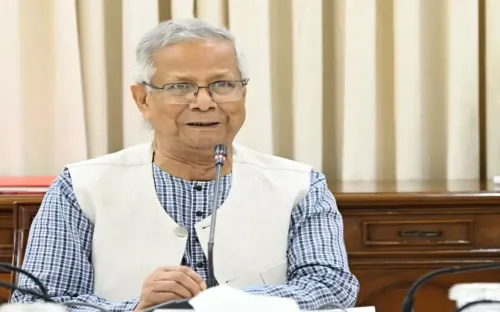
Bangladesh's leading newspaper 'Daily Star' published an editorial questioning how a parliamentary joke and a cartoon could legally constitute "blackmail." The crackdown mirrors tactics used by the previous Muhammad Yunus -led interim government, raising concerns that security sector abuses have become structurally entrenched regardless of which party holds power.
Human Rights Watch (HRW) has sharply condemned the Bangladesh Nationalist Party (BNP) government for arresting at least four individuals over social media content deemed critical of the ruling administration. The New York-based rights organization issued its condemnation on April 24, 2025, warning that the crackdown signals a dangerous continuation of repressive tactics that defined the previous Muhammad Yunus-led interim government. The arrests have drawn international scrutiny and raised urgent questions about the future of free expression in Bangladesh.
Pattern of Arrests Under BNP Rule
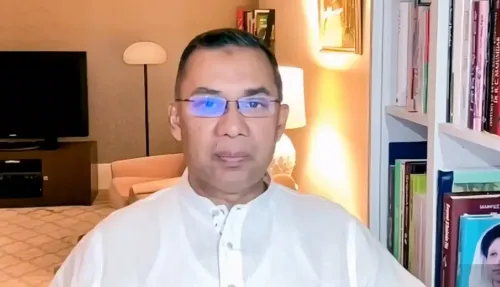
The HRW stated that the Tarique Rahman-led BNP government must honor its public commitments to uphold freedom of expression. The rights body urged Dhaka to end the weaponization of existing laws to suppress dissent and to either amend or repeal legislation containing provisions susceptible to abuse.
"After Bangladeshis risked their lives to demand freedom and respect for human rights, the new government needs the political will to bring reform. It is deeply troubling that within months of taking office, the BNP government is arresting social media users for allegedly posting content it dislikes," said Meenakshi Ganguly, Deputy Asia Director at HRW.
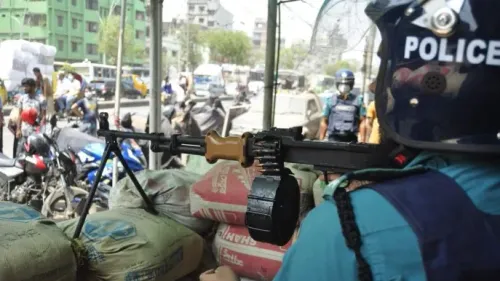
This is not an isolated incident. Since the BNP assumed power, a discernible pattern has emerged where security forces have been deployed against online critics — mirroring the very tactics that the student-led uprising of 2024 sought to dismantle under the Yunus administration.
The Case of Content Creator A M Hasan Nasim
The most high-profile of the recent arrests involves Bangladeshi content creator A M Hasan Nasim, who was detained from his residence in the capital Dhaka on the evening of April 17, 2025. His arrest followed a formal complaint lodged with police by a ruling party activist.
Nasim's alleged offence: posting a cartoon depicting a BNP lawmaker alongside a humorous remark the same legislator had made on the floor of parliament. A case was subsequently registered against him under a provision of Bangladesh's 2025 Cybersecurity Ordinance relating to online blackmail — a charge that legal observers and press freedom advocates have widely criticized as a gross misapplication of the law.
The influential Bangladeshi daily 'Daily Star' published an editorial questioning the legal logic behind the arrest, asking: "How can a joke made in a public forum, printed in newspapers, and a cartoon based on that joke constitute 'blackmail'?" Nasim was reportedly granted bail on April 21, 2025, four days after his detention.
HRW Calls for Legal Reform and Police Accountability
Beyond condemning individual arrests, the HRW has called for systemic overhaul. The organization specifically demanded that Bangladesh's Cyber Security Ordinance and the Anti-Terrorism Act be replaced with rights-compliant legislation, developed through transparent and inclusive public consultations.
The rights group also pressed the Rahman government to initiate comprehensive police reform, including the establishment of a robust, independent police commission. The objective, HRW argued, is to ensure that law enforcement officers are not structurally beholden to whoever holds political power at any given time.
"These arrests show that security sector abuses have become entrenched, and the police have only switched loyalties to a new leadership. The Prime Minister needs to send a strong message to his supporters and to the police that everyone is free to express their views, and he needs to urgently reform institutions and the law to protect freedom of expression," Ganguly added.
The Broader Context: Bangladesh's Free Speech Crisis
Bangladesh has a documented history of using cybersecurity and anti-terrorism statutes to silence journalists, activists, and ordinary citizens. The now-repealed Digital Security Act (DSA), which drew widespread international condemnation, was replaced by the Cyber Security Act — a law critics argued was largely cosmetic in its reforms. The 2025 Cybersecurity Ordinance, under which Nasim was charged, appears to be the latest iteration of this legislative pattern.
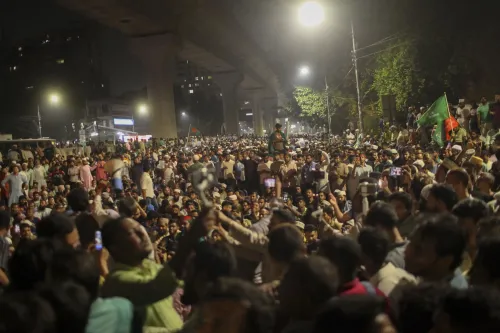
Notably, the mass protests of mid-2024 that toppled the Sheikh Hasina government were partly fueled by outrage over exactly these kinds of arrests. The irony that the government born from those protests is now replicating similar behavior has not been lost on civil society groups both within Bangladesh and internationally.
The BNP, which championed democratic freedoms while in opposition, now faces accusations of governing with the same authoritarian instincts it once condemned — a contradiction that advocacy groups like HRW are increasingly drawing attention to on the global stage.
What Happens Next
The international community will be closely watching whether Prime Minister Tarique Rahman responds to HRW's demands or dismisses them as external interference. Any further arrests of social media users or journalists are likely to intensify diplomatic pressure on Dhaka, particularly from Western governments that have positioned democratic reform as a condition for continued engagement with Bangladesh.
Civil society organizations within Bangladesh are expected to escalate their advocacy campaigns, while press freedom bodies such as Reporters Without Borders and the Committee to Protect Journalists may issue their own assessments in the coming weeks. The trajectory of Bangladesh's cybersecurity legislation reform — or lack thereof — will be a defining test of the BNP government's democratic credentials.
Point of View
The very government that owes its existence to a pro-democracy uprising is arresting citizens for jokes. If the international community allows this pattern to normalize without consequence, it sends a message that democratic rhetoric is a ladder to be kicked away once power is secured.
NationPress
24 Sept 2026
Frequently Asked Questions
Why did Human Rights Watch condemn the Bangladesh government in April 2025?
Human Rights Watch condemned Bangladesh's BNP government for arresting at least four individuals over social media posts critical of the ruling party. The rights group described the arrests as an alarming continuation of repressive practices and called for urgent legal and police reforms.
Who is A M Hasan Nasim and why was he arrested in Bangladesh?
A M Hasan Nasim is a Bangladeshi content creator who was arrested on April 17, 2025, from his home in Dhaka after posting a cartoon depicting a BNP lawmaker alongside a humorous parliamentary remark. A case was filed against him under Bangladesh's 2025 Cybersecurity Ordinance for alleged online blackmail; he was granted bail on April 21.
What is Bangladesh's 2025 Cybersecurity Ordinance?
The 2025 Cybersecurity Ordinance is Bangladesh's latest digital law, which critics argue contains vague and broad provisions susceptible to misuse against journalists, activists, and ordinary citizens. Human Rights Watch has called for it to be replaced with rights-respecting legislation developed through proper public consultations.
What reforms has HRW demanded from the BNP government in Bangladesh?
HRW has demanded that the BNP government repeal or amend the Cyber Security Ordinance and the Anti-Terrorism Act, establish an independent police commission, and stop using existing laws to silence dissent. The organization also called on Prime Minister Tarique Rahman to publicly affirm every citizen's right to free expression.
Is social media censorship a new problem in Bangladesh?
No — Bangladesh has a long history of using digital and cybersecurity laws to suppress online criticism, most notably through the widely condemned Digital Security Act, which was eventually replaced but not fundamentally reformed. The current arrests suggest that despite a change in government following the 2024 pro-democracy uprising, the underlying pattern of criminalizing online speech continues.